



Chinese Dragon Silver
Chinese dragon silver brings coiled scales and chased clouds into the room, offering an enduring centrepiece for any collector of export metalwork.
Chinese Dragon Silver
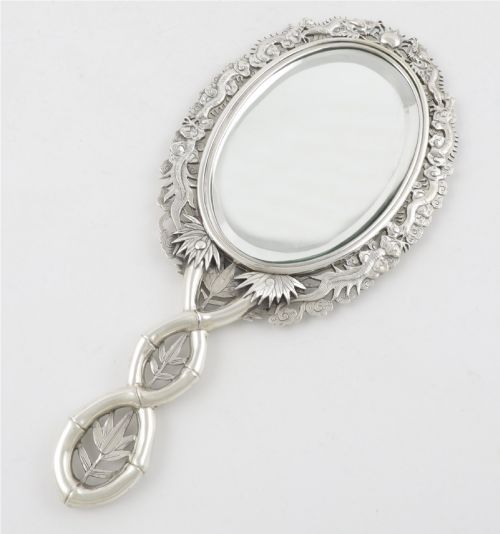
When you search for chinese dragon silver, you encounter decorative objects and utility items fashioned in silver, white metal, and mixed alloys. These pieces date from the nineteenth century through the early twentieth century, spanning late Qing Dynasty and Republic periods.
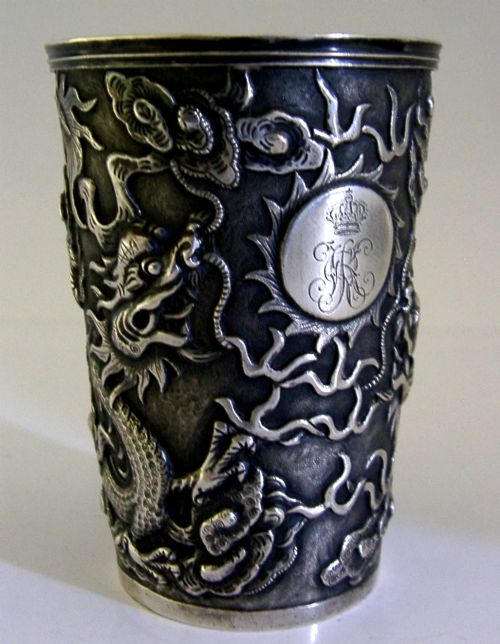
The items listed on this page include beakers, decanter labels, cigarette boxes, ashtrays, jugs with bamboo handles, and decorative bowls. Artisans also paired silver with cherry wood, hardwood, and jade rims to create varied forms.
Export workshops produced these works primarily for Western markets, maintaining traditional motifs like twin dragons whilst adapting them to European vessels and desk accessories.
How they were made
Silversmiths utilised hammering, casting, and chasing techniques to raise the sinuous bodies of dragons from sheet metal. Detail was added through fine hand-chasing, giving scales and claws distinct texture against stippled backgrounds.
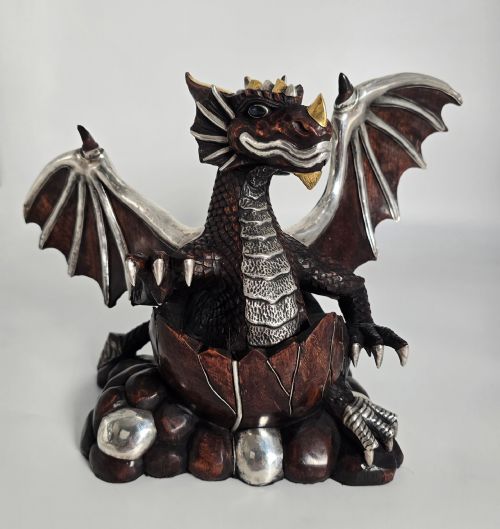
Makers integrated organic materials such as cherry wood and carved hardwood into vessels and sculptures, mounting metal dragon figures onto wooden cores. White metal alloys and antimony also served as base materials for cast censers and bowls.
Chinese Dragon Silver Retail Price Guide 2026
Typical asking prices for chinese dragon silver among the pieces listed under this phrase on Sellingantiques today, from the lower quarter to the upper quarter. They describe what is for sale here now, not the wider market.
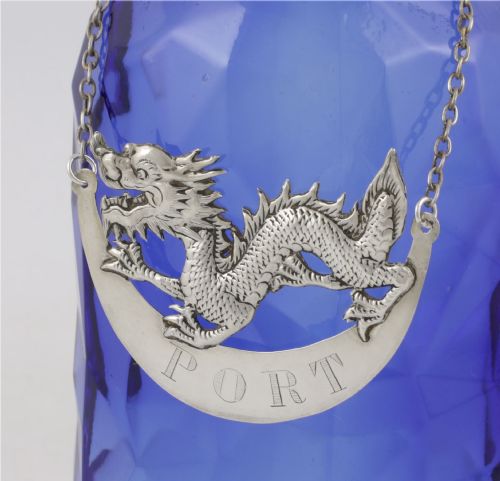
One tiny decanter label stands ready to guard your port bottle with a fierce silver dragon.
What varies in quality
The depth of relief and clarity of chasing separate standard export items from superior examples. Master silversmiths rendered dragon scales with individual precision, whereas lesser pieces rely on shallow stamping or repetitive machine work.
Maker marks and retailer signatures, such as those from established workshops, indicate higher workshop standards and better metal purity. The integration of secondary materials, like finely carved hardwood mounts or genuine jade rims, also elevates a piece.
Wang Hing & Co.·Luen Hing
The Chinese Dragon Silver Glossary
- Chinese Export Silver
- Silverware manufactured in China predominantly for Western export markets during the nineteenth and early twentieth centuries. These items frequently carry maker marks in imitation of Western hallmarks.
- White Metal
- An alloy of various non-precious metals used in oriental decorative objects and vessels. It often mimics the appearance of silver without bearing standard silver purity marks.
- Qing Dynasty
- The final imperial dynasty of China, ruling from sixteen-forty-four to nineteen-twelve. Pieces from the late phase of this period often display elaborate dragon motifs.
- Chasing
- A metalsmithing technique where a design is hammered into the front surface of metal using punches to create raised relief. This method defines the scales and clouds on dragon vessels.
- Antimony
- A brittle metal alloy utilised in late Qing Dynasty cast items such as censers and decorative bowls. It accepts fine detail during the casting process.
Chinese Dragon Silver: Frequently Asked Questions
How do I identify maker marks?
Maker marks on export silver typically appear as stamped character signatures or pseudo-hallmarks on the base or interior rim. Workshops such as Wang Hing and Luen Hing used distinct stamps to brand their output.
These marks help distinguish workshop production from uncredited pieces, though absence of a mark does not preclude age or quality.
What materials are used?
Objects employ solid silver, white metal alloys, and antimony alongside organic elements like cherry wood and hardwood. Some desk accessories and ashtrays incorporate jade rims for added contrast.
Silversmiths matched these materials to the intended function of the object, pairing sturdy woods with metal mounts on boxes and vases.
How should I clean my silver?
Gentle dusting with a soft cloth preserves the dark recessed areas that highlight the chased dragon details. Aggressive polishing removes the patination accumulated over a century.
Avoid chemical dips, particularly on pieces combined with hardwood, jade, or enamel, as these substances damage non-metal components.