






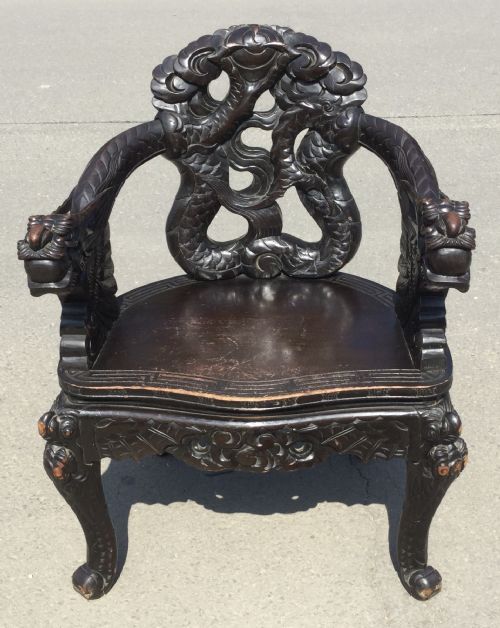
Chinese Dragon Carved Chairs
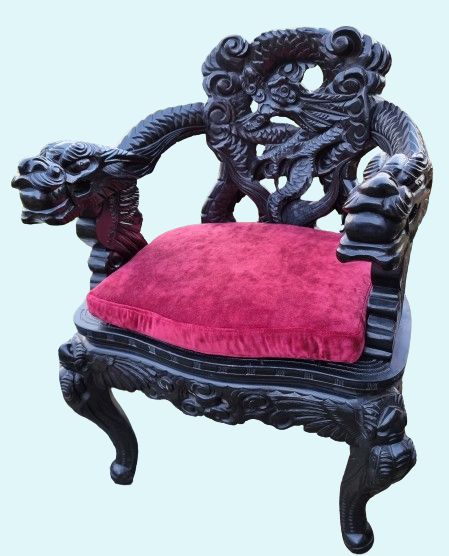
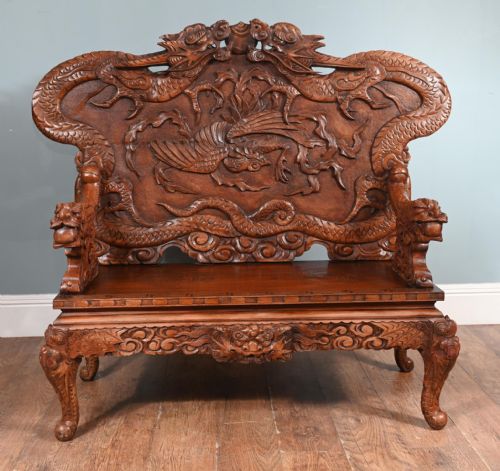
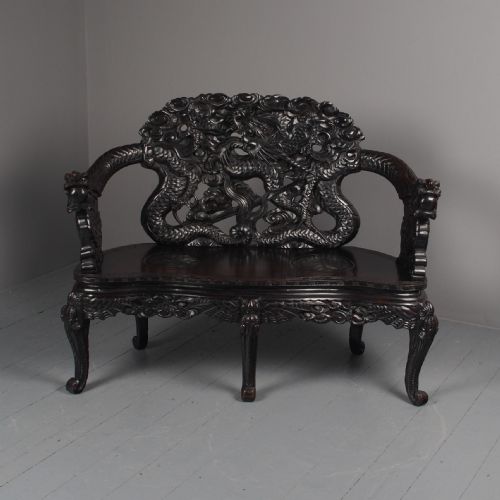
Chinese dragon carved chairs deliver striking carved imagery and heavy timber construction, offering collectors bold seating rooted in nineteenth and early twentieth century traditions.
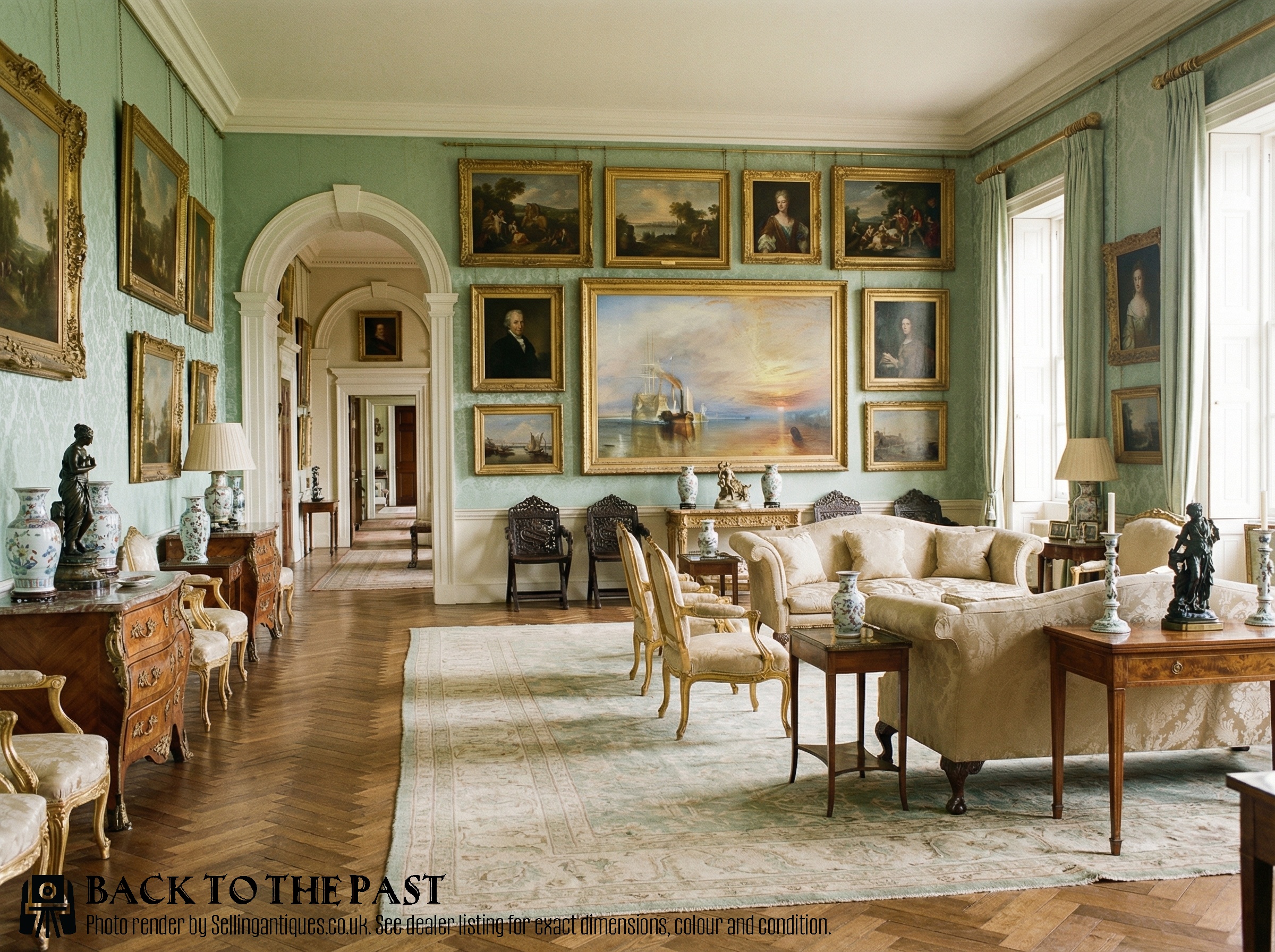
Chinese Dragon Carved Chairs
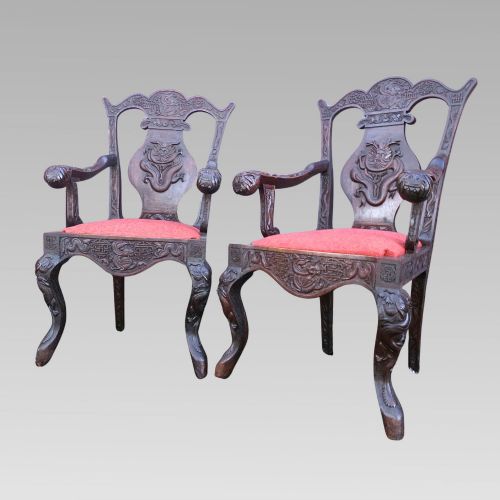
When you search for chinese dragon carved chairs, you encounter substantial seating designed primarily within nineteenth and early twentieth century periods, spanning export and Qing Dynasty traditions. The forms you are most likely to meet on this page include robust armchairs, hall benches, settles, and folding seats.
These items originate predominantly from Chinese workshops catering to both domestic and export markets. The selection ranges from single armchairs to matched pairs and wider seating sets incorporating benches.
Makers utilised traditional regional forms alongside export adaptations to suit diverse interiors. The fundamental appeal lies in the integration of deeply carved dragon motifs into functional wooden seating.
How they were made
Makers fashioned these pieces from dense timbers including rosewood, teak, elm, and general hardwood. These heavy woods provided the stable foundation necessary for deep relief carving.
Surface treatments and upholstery varied according to regional and period style. Examples incorporate cinnabar lacquer, polished hardwood finishes, bone inlay, and velvet upholstery to accentuate the carved framework.
Chinese Dragon Carved Chairs Retail Price Guide 2026
Typical asking prices for chinese dragon carved chairs among the pieces listed under this phrase on Sellingantiques today, from the lower quarter to the upper quarter. They describe what is for sale here now, not the wider market.
Some dragons gaze across seating frames with glass eyes intended to startle unwary guests in candlelit halls.
What varies in quality
The depth and crispness of the dragon carving separate standard production from superior work. Skilled carvers achieved distinct facial expressions and scale texture, whereas lesser pieces exhibit shallow, soft detailing.
Timber selection and structural integrity also divide the range. Dense rosewood and teak maintain tighter joinery and sharper lines over centuries compared to softer elm alternatives.
The Chinese Dragon Carved Chairs Glossary
- Hardwood
- Dense, slow-growing timber such as rosewood or teak. These heavy woods resist warping and support intricate carving.
- Cinnabar lacquer
- A traditional coating made from the sap of the lacquer tree mixed with mercuric sulphide. It creates a thick red layer suitable for intricate surface carving.
- Qing Dynasty
- The last imperial dynasty of China, lasting from sixteen forty-four to nineteen twelve. Pieces from this era often display formal court iconography including dragons.
- Settle
- A wooden bench with a high back, solid arms, and sometimes a storage box beneath the seat. They functioned as principal seating in halls.
Chinese Dragon Carved Chairs: Frequently Asked Questions
Where were these chairs placed?
These chairs served primarily in formal halls, reception rooms, and high-status domestic interiors. Their imposing timber frames and carved dragon iconography signalled authority and prestige.
In western homes, they found favour within nineteenth century reception spaces and libraries as eclectic statement furniture.
How do I identify a Qing Dynasty piece?
Identification relies on examining the timber density, carving depth, and stylistic adherence to imperial motifs. Qing period items typically utilise heavy rosewood or teak with deep, undercut relief.
Construction methods also provide clues, as traditional joinery techniques precede twentieth century manufacturing practices.
Are pairs common?
Pairs of armchairs appear regularly within export and domestic groupings. Workshops produced symmetrical seating for reception halls where balanced interior layouts mattered.
Matching sets command particular attention from collectors seeking complete arrangements.
How should I clean the wood?
Maintenance requires dry dusting with a soft cloth to protect the intricate crevices of the dragon carvings. Moisture and modern cleaning chemicals can damage lacquer and polished hardwood surfaces.
Occasional application of appropriate wax helps preserve timber finishes without softening the carved details.