






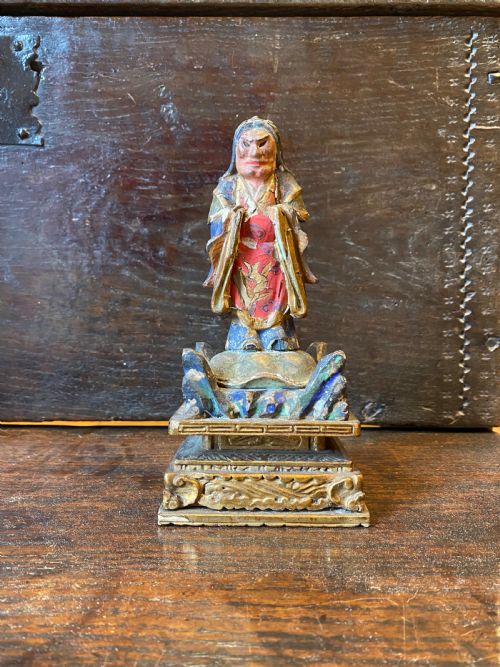
Chinese Deity Carving
A chinese deity carving brings centuries of spiritual devotion and masterly craftsmanship into the room.
Chinese Deity Carving
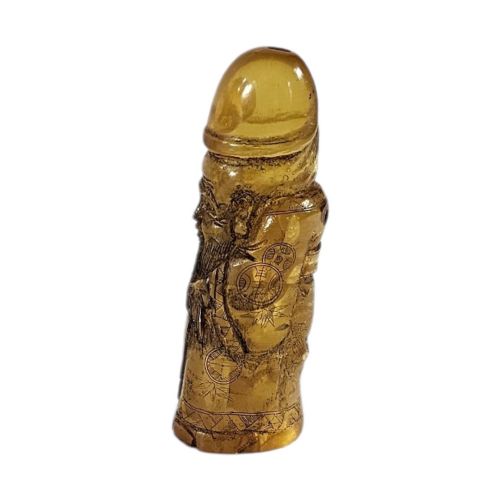
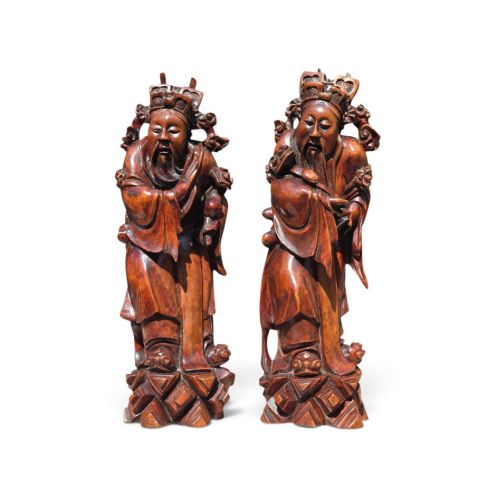
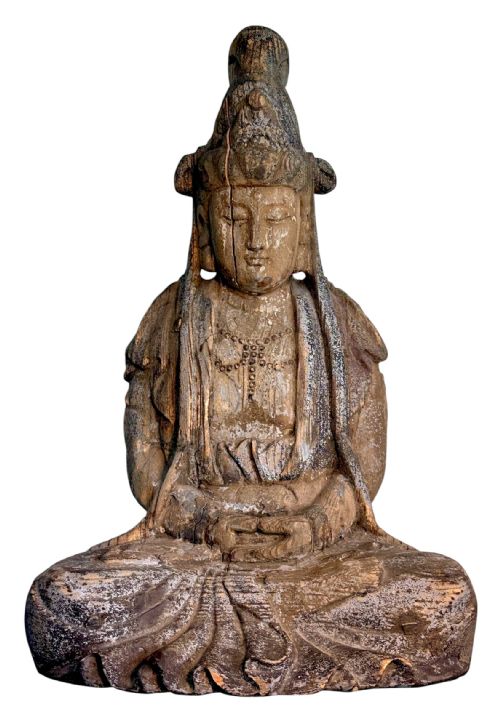
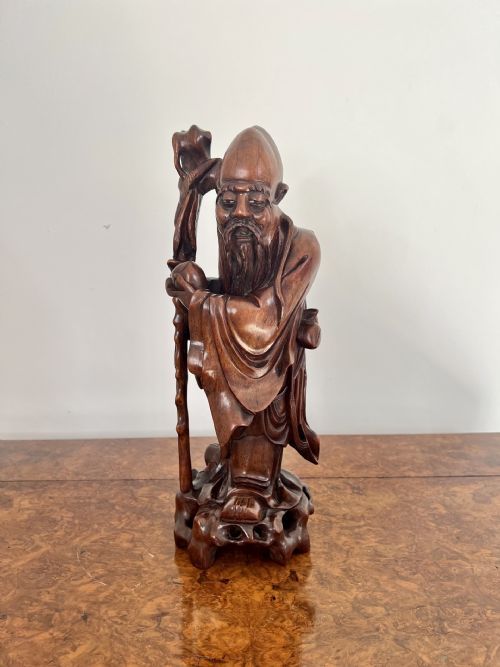
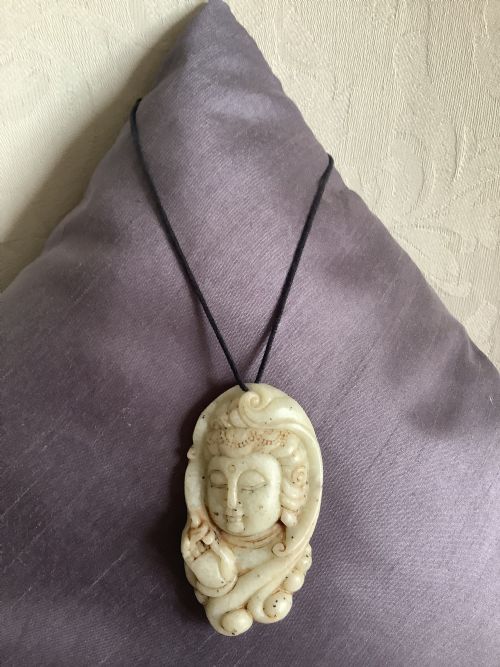
A chinese deity carving encompasses religious statues, temple guardians, medicine figures, and small pendants depicting figures such as Buddha, Quan Yin, and Daoist immortals. These pieces reflect profound spiritual traditions spanning from the Ming Dynasty through the Qing period and into the early twentieth century.
Originating from sacred and domestic contexts, these sculptures represent figures of longevity, wealth, and protection. Each carving serves as both a focal point for devotion and a remarkable example of traditional Asian sculpture.
Materials and Construction
Carvers utilised various woods, including dense hardwood, bamboo, and root wood, alongside sandstone for earlier sculptural heads. These organic bases were often finished with layers of gesso, lacquer, pigment, and gold leaf to create rich, durable surfaces.
Chinese Deity Carving Retail Price Guide 2026
Typical asking prices for chinese deity carving among the pieces listed under this phrase on Sellingantiques today, from the lower quarter to the upper quarter. They describe what is for sale here now, not the wider market.
Listings feature works spanning from the Ming Dynasty and the 18th century through to the early 20th century.
Assessing Quality and Execution
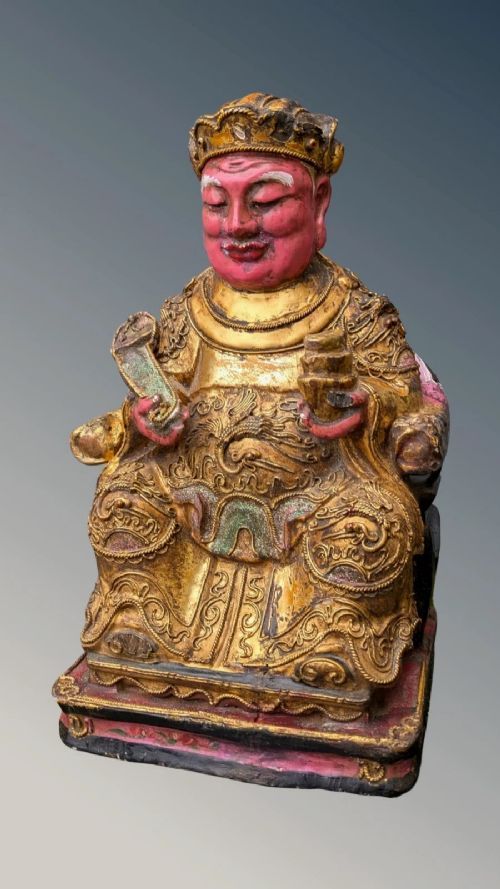
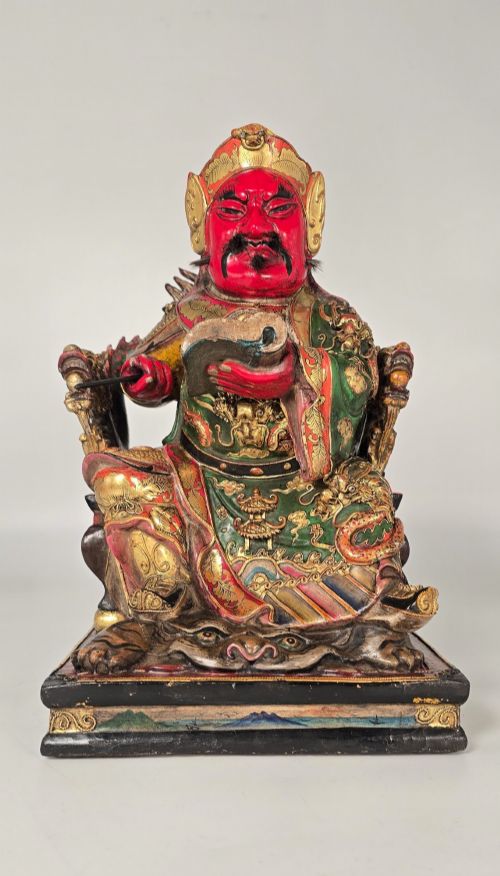
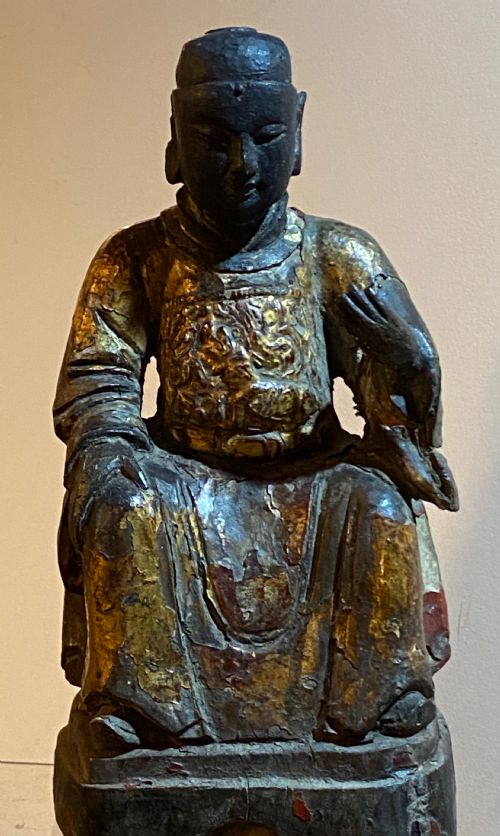
Preservation of original surface treatments strongly influences the standing of a piece. Carvings retaining intact layers of early polychrome, lacquer, or gold leaf command greater interest than those stripped or heavily repainted over time.
The Chinese Deity Carving Glossary
- Polychrome
- Decoration consisting of several colours applied to the surface of wood or stone. This technique enhances the realism and visual impact of religious figures.
- Gilt
- A thin layer of gold leaf or powder applied to the surface of a carving. It signifies the sacred status of the deity depicted.
- Lacquer
- A durable resin finish applied in multiple coats and polished to a smooth sheen. It protected the underlying wood while providing a rich decorative surface.
- Patina
- The surface sheen and mellowing developed through age and handling. A good patina indicates genuine antiquity and careful preservation.
- Root carving
- A sculptural form that works with the natural twists and contours of tree roots. Artisans incorporated these organic shapes into the depiction of figures and immortals.
Chinese Deity Carving: Frequently Asked Questions
How can I tell the age of a wooden carving?
Dating relies on stylistic markers of the period, the choice of materials, and the natural ageing of the wood and surface finishes.
Examination of the tool marks, the composition of underlying gesso layers, and the depth of the patina help distinguish nineteenth-century works from earlier dynasties.
Where were these carvings originally placed?
Larger monumental statues stood within Buddhist and Daoist temples as guardians or objects of veneration. Smaller figures and medicine statues belonged in domestic spaces or practitioner rooms.
Pendants were worn or carried personally for protection and spiritual affinity.
How do I care for an antique wood sculpture?
Keep wooden and lacquered carvings away from direct sunlight and dramatic fluctuations in temperature or humidity. Avoid applying modern polishes or cleaning agents to protect the delicate pigments and gold leaf.
Gentle dusting with a soft, dry brush is sufficient to maintain the surface.