



Chinese Carved Mirror
A chinese carved mirror brings a striking blend of intricate wood craftsmanship and exotic motifs to any interior.
Chinese Carved Mirror
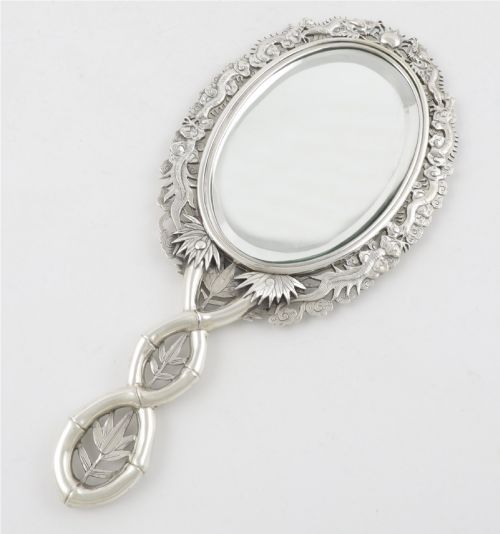
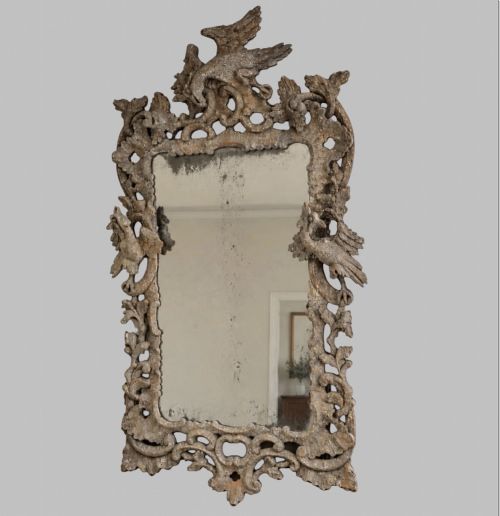
A chinese carved mirror unites traditional oriental carving techniques with functional reflective glass, spanning wall mirrors, overmantel mirrors, and freestanding cheval pieces. Buyers encounter forms ranging from imposing overmantel mirrors to intimate table and wall mirrors.
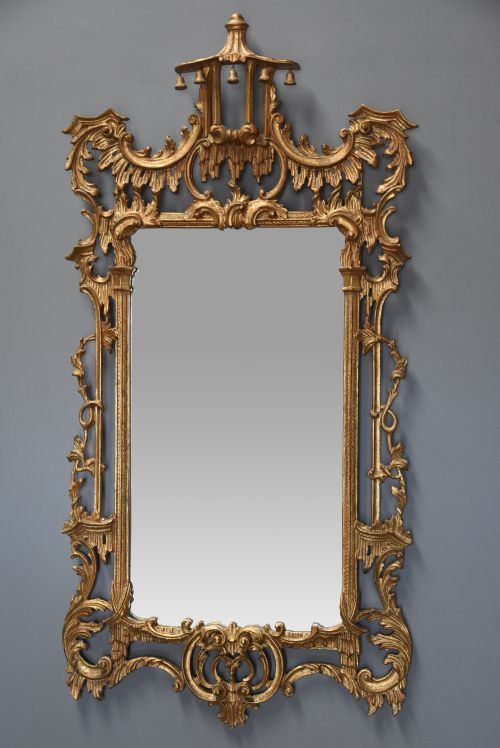
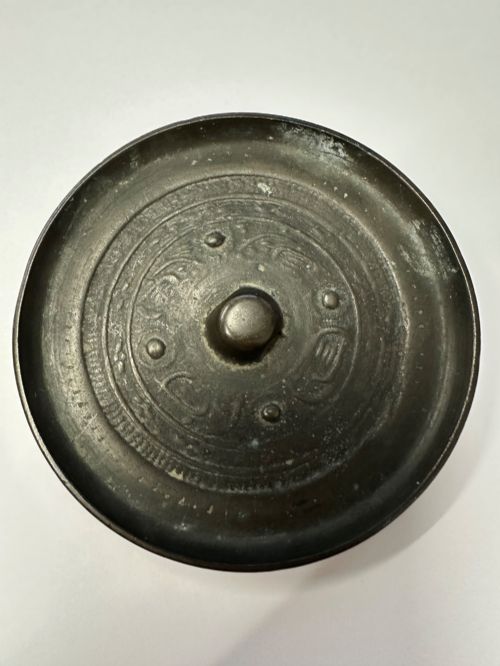
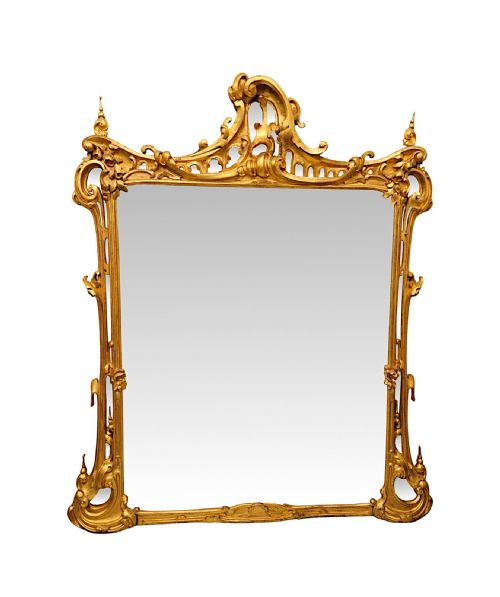
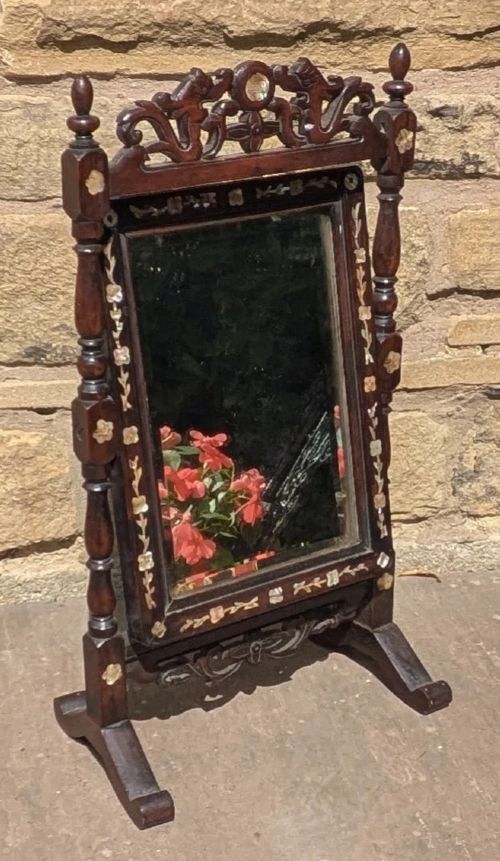
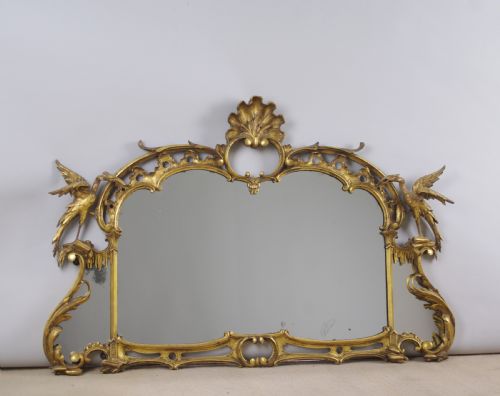
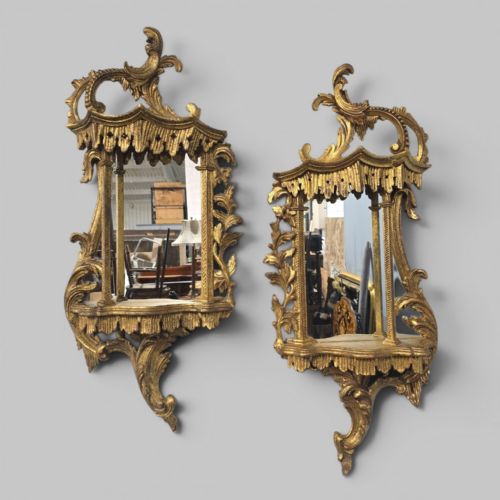
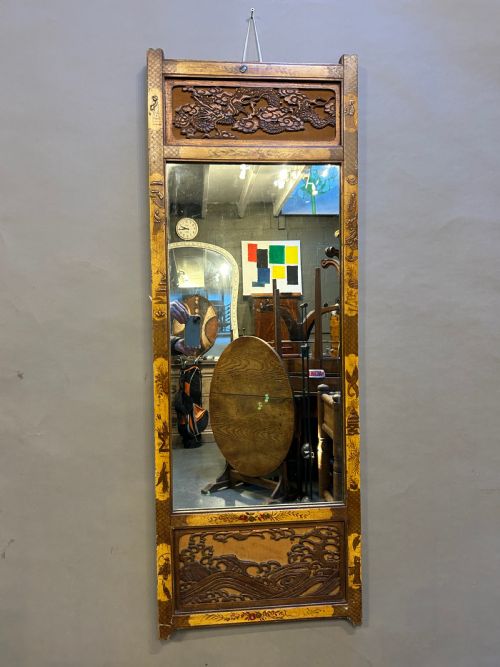
The selection embraces diverse aesthetics, from nineteenth-century giltwood pieces executed in the Chinese Chippendale style to Qing Dynasty hardwood frames inlaid with mother of pearl. Early examples also include ancient bronze mirrors dating back to the Western Han Dynasty.
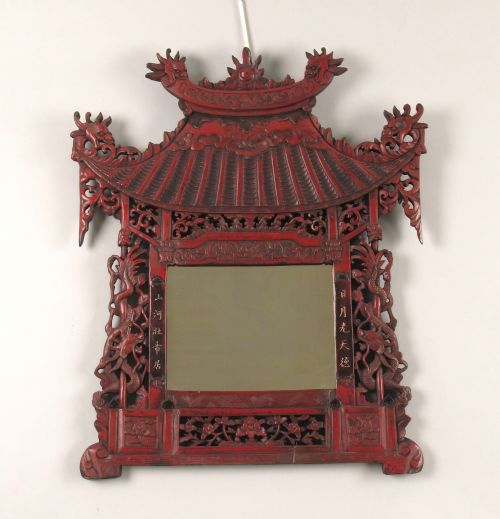
Makers utilised various regional interpretations, producing items like red lacquer pagoda wall mirrors and cherrywood carved frames. These objects serve both decorative and practical purposes within period and eclectic interiors.
Materials and construction methods
The construction relies heavily on native hardwoods, cherrywood, and giltwood, frequently enhanced by intricate hand-carved motifs. Artisans also employed red lacquer finishes and detailed mother of pearl inlay to enrich the visual depth of the frames.
Metal elements feature significantly, ranging from patinated bronze on ancient ritual pieces to standard silvered mirror glass housed within deep wooden rebates. Giltwood examples demonstrate traditional gesso and gilding application over carved wooden substrates.
Structural joinery varies according to the period, with nineteenth-century pieces showing sophisticated framing techniques to support large overmantel proportions. Cheval mirrors incorporate pivoting hardwood stands secured with decorative mounts.
Chinese Carved Mirror Retail Price Guide 2026
Typical asking prices for chinese carved mirror among the pieces listed under this phrase on Sellingantiques today, from the lower quarter to the upper quarter. They describe what is for sale here now, not the wider market.
Some mirrors double as clandestine portal-seekers, though mostly they just reflect your cat judging your interior design choices.
Factors determining quality
Quality rests upon the crispness and depth of the hand-carved detail, distinguishing deeply undercut foliage and figures from shallow, machine-finished moulding. The integrity of the original giltwood or lacquer surface preserves the historical authenticity of the piece.
Material selection dictates value, where dense hardwoods and meticulously matched mother of pearl inlay surpass simpler softwood constructions. The preservation of the early or original mirror glass plate further elevates the standing of a piece.
The Chinese Carved Mirror Glossary
- Chinese Chippendale
- An eighteenth-century European style heavily influenced by Chinese decorative motifs, featuring pagodas, lattices, and intricate fretwork. This aesthetic experienced revivals through the nineteenth and twentieth centuries.
- Cheval mirror
- A full-length freestanding mirror suspended on a vertical frame that allows it to tilt. These pieces typically incorporate sturdy wooden floor supports.
- Overmantel mirror
- A large mirror designed specifically to be hung above a fireplace mantelpiece. They often feature horizontal proportions to span the width of the hearth.
- Mother of pearl
- The iridescent internal layer of mollusc shells, utilised in thin sections for inlay work on hardwood furniture and frames. It creates luminous contrasting details against dark timber.
- Patinated metal
- Metal surfaces that have acquired a natural coloration and sheen through age and environmental exposure. This layer confirms the genuine antiquity of bronze objects.
Chinese Carved Mirror: Frequently Asked Questions
How do I hang a heavy overmantel mirror?
Heavy overmantel mirrors require secure wall fixings anchored directly into structural studs or masonry using heavy-duty brackets. Professional installation is strongly advised to safely support the substantial weight of large wood and glass frames.
Ensure the hanging wire or integrated D-rings match the load capacity of the chosen wall hardware. Distributing the weight evenly prevents frame distortion over time.
Where should I place a Chinese carved mirror?
These mirrors excel above living room mantelpieces, in grand hallways, or as focal points in dining rooms where their intricate frames can command attention. Positioning them opposite windows maximises natural light distribution.
Consider the surrounding decor to ensure the ornate woodwork complements rather than overwhelms the space. Balance is key when integrating distinctive oriental styles into existing interiors.
How do I clean carved wooden mirror frames?
Dust intricate wood carvings gently using a soft-bristled brush or a dry microfiber cloth to dislodge debris from recessed areas. Avoid liquid polishes and chemical sprays that can damage historic lacquered or gilt surfaces.
For glass sections, apply a mild glass cleaner to a cloth rather than directly onto the glass to prevent moisture seeping into the wooden frame joints.
How do I distinguish nineteenth-century styles?
Examine the construction joints, backing boards, and the composition of the mirror glass to identify nineteenth-century production methods. Hand-beveled glass and traditional tool marks on the timber indicate period authenticity.
Compare the specific decorative vocabulary, such as Qing Dynasty inlay versus Chinese Chippendale fretwork, to determine the exact regional style and influence.