



Chinese Carved Dragon
A chinese carved dragon brings the dynamic energy of imperial symbolism into a room through rich timber, cast metal, and polished stone.
Chinese Carved Dragon
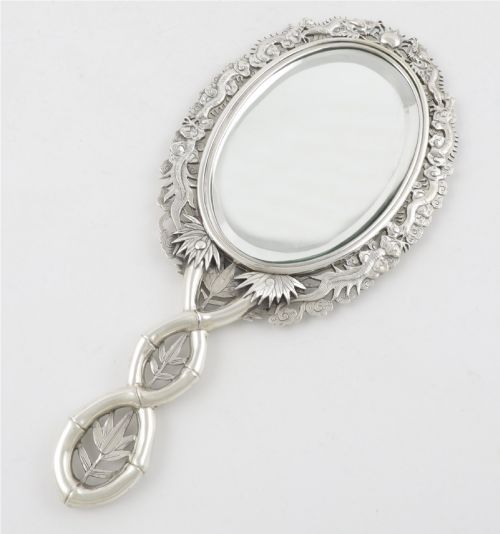
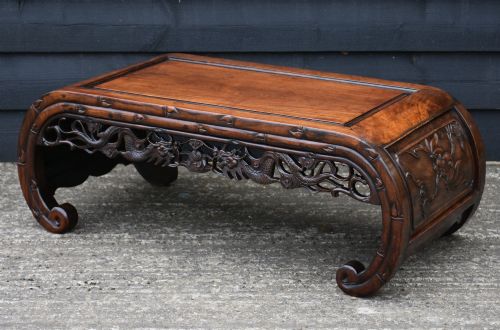
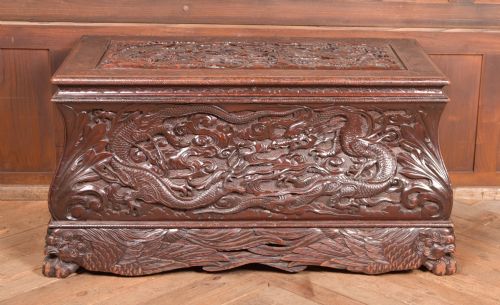
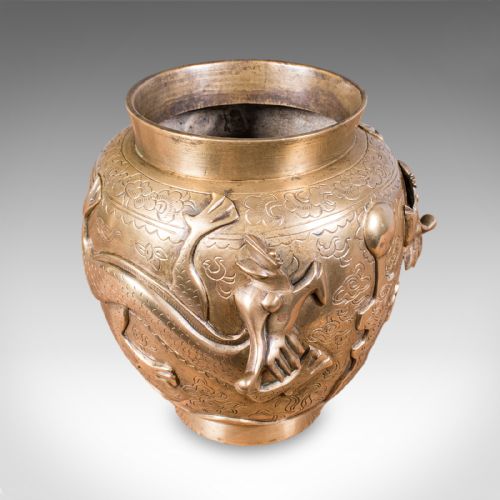
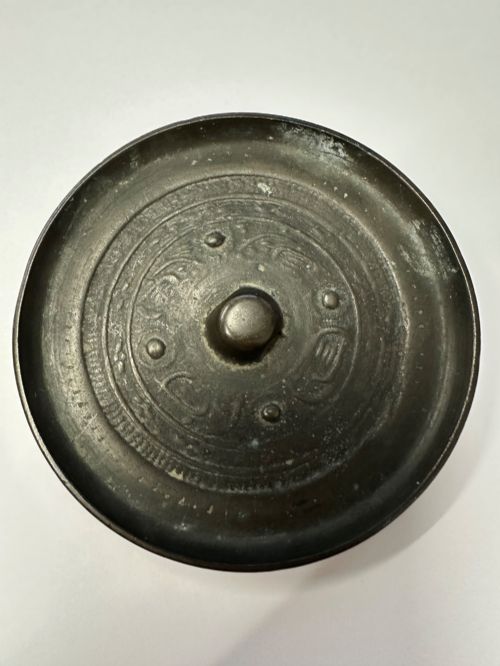
A chinese carved dragon search reveals a diverse assembly of utilitarian and decorative objects spanning seating, vessels, and scholar's pieces. Buyers encounter armchairs, benches, side tables, and storage boxes alongside smaller items like jade pendants, incense burners, and bronze mirrors.
The material record bridges dense hardwoods such as rosewood and camphor with jade, brass, bronze, lacquer, and silver. Most pieces originate from the nineteenth century, the Edwardian era, and the nineteen-thirties, reflecting both traditional Qing Dynasty craftsmanship and later export production.
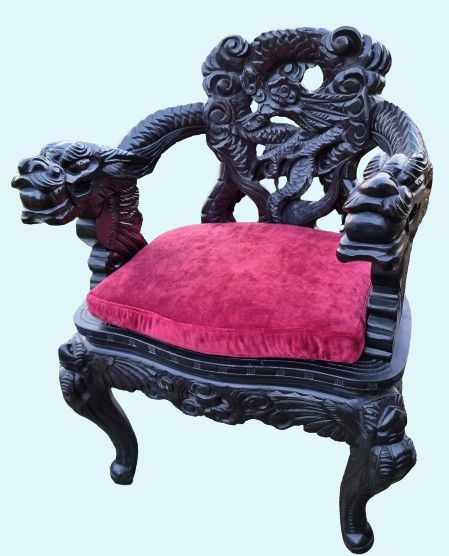
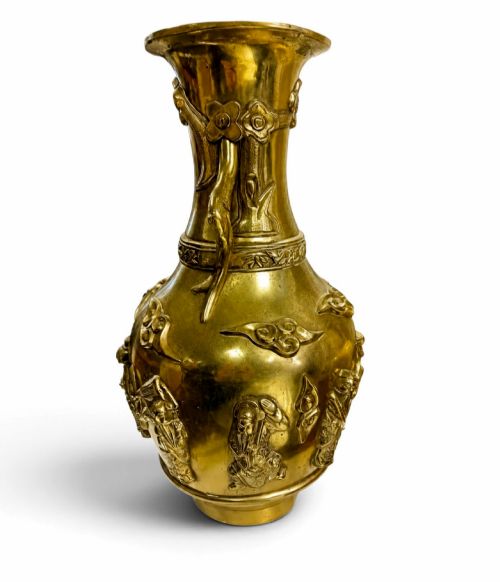
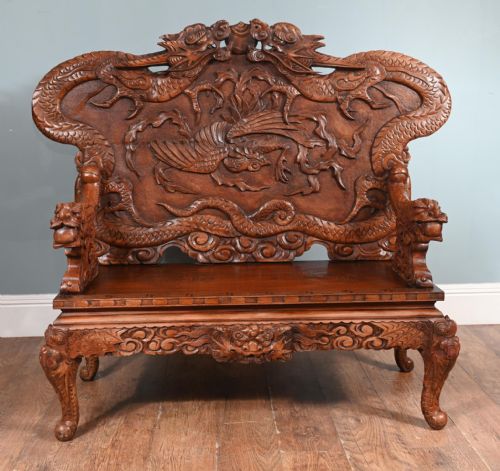
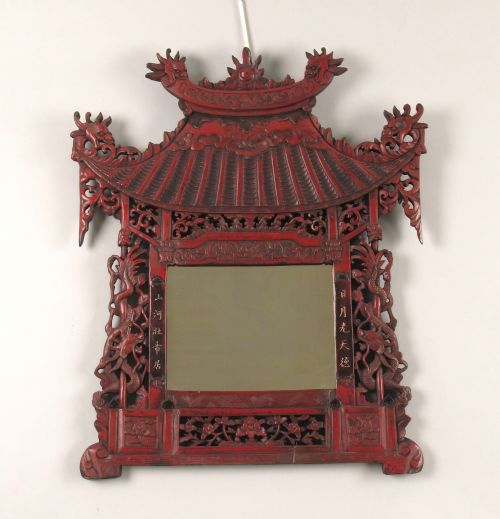
Seating forms range from horseshoe hall benches to folding armchairs with deep relief carving, while display items include baluster vases, wall mirrors, and low opium tables. Each object integrates mythical imagery into domestic or ceremonial furnishing.
Materials and Technique
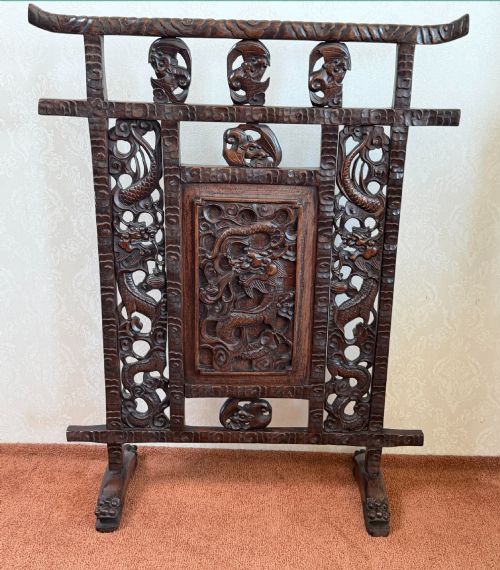
Hardwoods like rosewood and camphor provide the structural chassis for benches, cabinets, and tables, shaped by hand-carving to achieve high-relief dragon motifs. Artisans exploit the natural density of these timbers to execute crisp scales, curling tails, and fierce facial expressions without losing structural integrity.
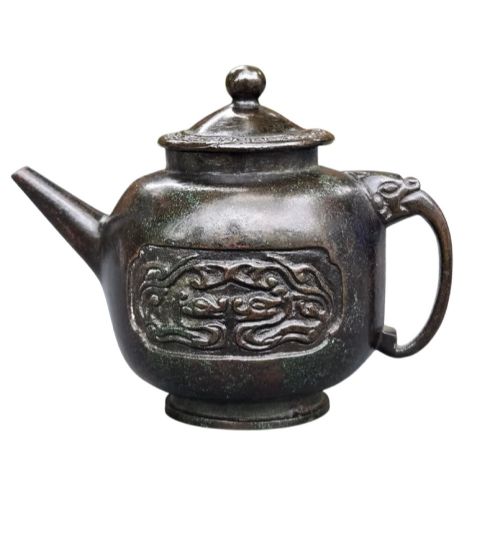
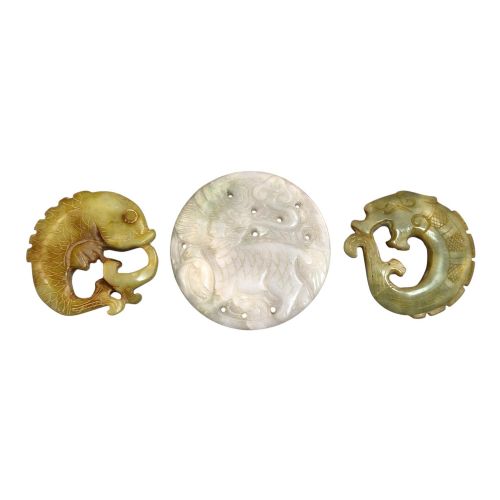
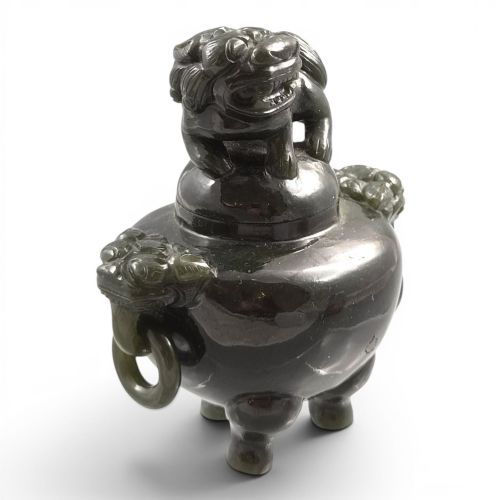
Cast metals, including brass, bronze, and copper-alloy, appear in vessels, gongs, and baluster vases, often finished with detailed chasing or applied mixed metals. Jade, nephrite, jadeite, and agate are shaped into pendants, amulets, and ceremonial vessels through painstaking abrasive grinding and polishing.
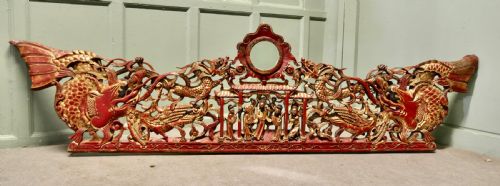
Lacquer work builds up deep red layers over a wooden core, creating smooth surfaces for carved decorative scenes on chests and panels. Silver items rely on silversmithing techniques including repoussé and piercing to render twin dragons across boxes and bowls.
Chinese Carved Dragon Retail Price Guide 2026
Typical asking prices for chinese carved dragon among the pieces listed under this phrase on Sellingantiques today, from the lower quarter to the upper quarter. They describe what is for sale here now, not the wider market.
Listings feature nineteenth-century hardwood furniture alongside Edwardian jade pendants and bronze vessels.
Craftsmanship and Proportion
Quality rests upon the depth and undercut of the carving, where superior examples display three-dimensional relief with distinct claws, scales, and sinewy bodies detached from the background. Lesser pieces rely on shallow surface incisions that flatten the narrative energy of the dragon motif.
Material selection dictates the upper tier of the range, favouring unblemished translucent jade, heavy-gauge cast bronze, and dense, highly figured rosewood with stable joints. Secondary tiers employ mixed timbers, lighter brass alloys, or softer stones with natural inclusions that disrupt the continuity of the design.
Proportion and symmetry govern the architectural pieces, such as screen stands, armchairs, and tables, where balanced joinery ensures the heavy carved ornamentation does not overpower the underlying form. Poor execution shows in clumsy scaling, heavy-handed repairs, or discordant stylistic mixing between traditional motifs and later modifications.
Wang Hing And Co
The Chinese Carved Dragon Glossary
- Qing Dynasty
- The final imperial dynasty of China, lasting from 1644 until 1912. Pieces from this period often display rigorous symbolic carving and formal court aesthetics.
- Chinoiserie
- European decorative style reflecting Chinese artistic influences, popular across furniture and mirrors. It reinterprets Eastern motifs through Western interior design traditions.
- Cinnabar Lacquer
- A technique involving multiple coats of red lacquer carved with intricate designs. The resulting surface reveals rich depth and tactile relief.
- Archaistic
- A style that consciously emulates ancient forms, patinas, and decorative motifs from earlier dynasties. Makers used this approach to connect contemporary ritual objects with classical antiquity.
- Baluster
- A tapering, vase-like architectural form with a rounded body and a narrow neck. This shape appears frequently in bronze and ceramic incense burners and vases.
Chinese Carved Dragon: Frequently Asked Questions
What is a chinese carved dragon bench used for?
These substantial seats served as functional hall furniture and decorative architectural statements within grand interiors. Their heavy rosewood or lacquer frames provided durable seating while displaying high-status imperial iconography.
Today, they act as focal seating arrangements in entrance halls or living spaces. Their carved panels and dragon motifs bring a commanding architectural presence to contemporary rooms.
How do I distinguish jade from other green stones?
True jade, encompassing both nephrite and jadeite, possesses a dense, fibrous internal structure and a cool, greasy lustre when polished. It resists scratching by steel and maintains a heavy feel relative to its size.
Lesser green stones or glass imitations often show air bubbles, crystalline fractures, or a glassy surface sheen. Examining the piece under magnification helps reveal the natural grain of true nephrite or jadeite.
Where were export silver pieces made?
Export silver items were produced by specialised workshops and prominent silversmiths operating in treaty ports like Canton, Shanghai, and Hong Kong during the late nineteenth and early twentieth centuries. These makers combined traditional Chinese motifs with Western domestic forms to satisfy international demand.
These pieces often bear artisan or workshop stamps alongside pseudo-hallmarks. They reflect a period of cross-cultural trade where master silversmiths catered to Western collectors.
How do I care for antique rosewood furniture?
Antique rosewood benefits from stable indoor humidity and protection from direct sunlight, which can fade the timber and dry out the grain. Regular dusting with a soft, dry cloth preserves the finish without requiring heavy polishes.
Avoid silicone-based sprays, applying a micro-layer of natural beeswax only when the wood appears dry. Gentle maintenance ensures the carved dragon details retain their crisp definition over time.