






Chinese Canton Bowl
A Chinese canton bowl brings vivid palette work and storied export tradition straight into the heart of a room.
Chinese Canton Bowl
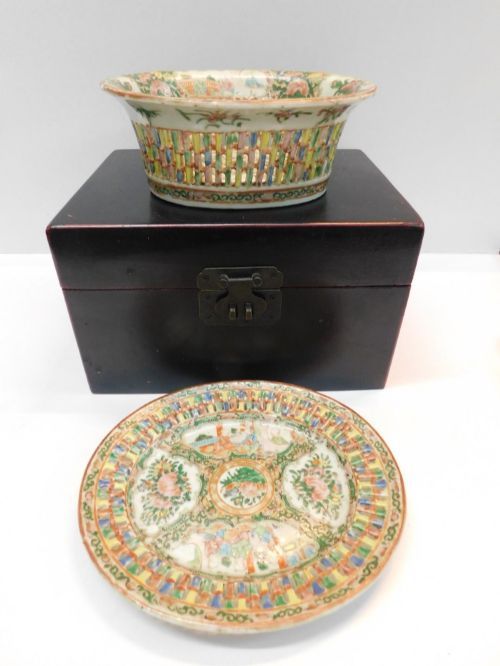
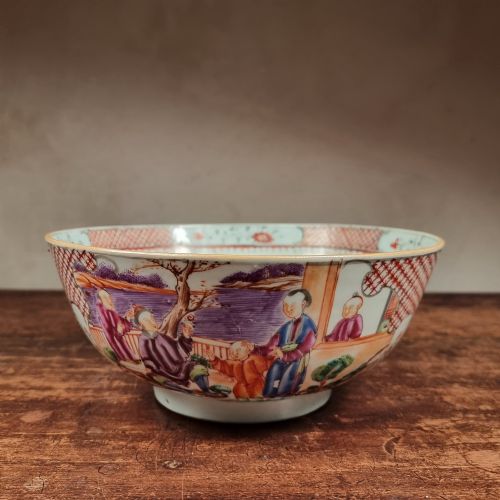
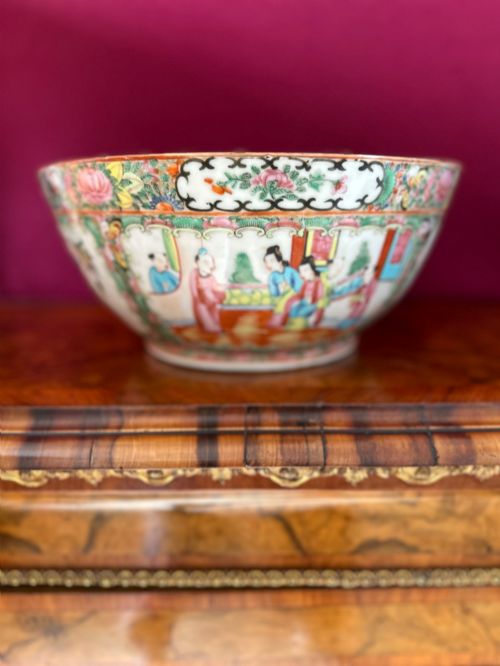
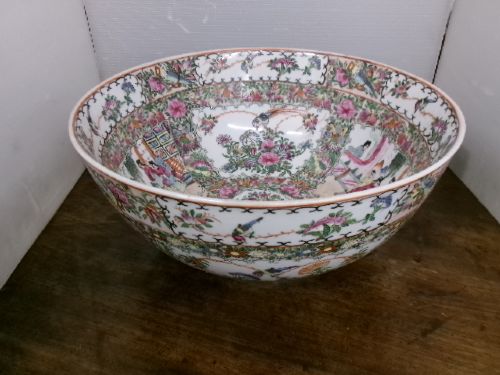
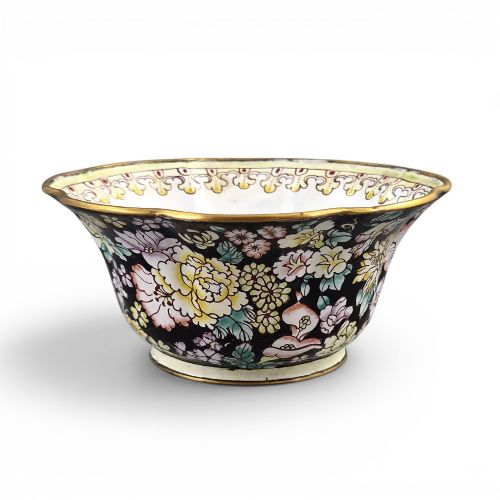
When you search for a chinese canton bowl, you are looking at substantial porcelain vessels made for export during the nineteenth century and the Qing dynasty. These pieces range from large punch bowls and pedestal dishes to smaller jardinières, typically characterised by generous proportions and vibrant decoration. You are most likely to encounter nineteenth-century examples spanning from eighteen-eighty to nineteen-hundred, often showcasing classic famille rose enamels.
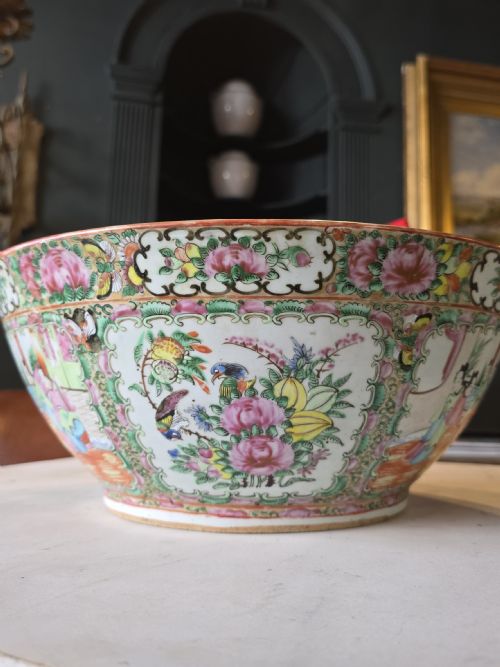
The form itself serves as a striking decorative centrepiece or a functional display item within both traditional and modern interiors. Many of the listings present rich polychrome surfaces depicting intricate court scenes, birds, and flowers framed by geometric borders. These ceramics embody the distinct aesthetic exchange between traditional Chinese craftsmanship and Western taste during the late Qing period.
How they were made
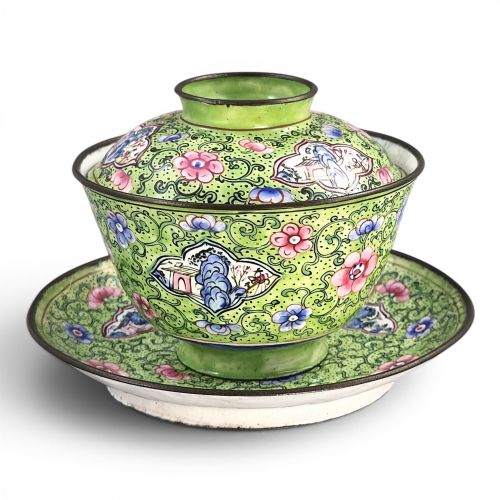
Potters shaped these vessels from fine porcelain and occasionally enamel-on-copper, applying detailed overglaze enamel decoration by hand. Artisans utilised rich palettes dominated by rose pinks, greens, and golds to build dense pictorial narratives across the surface. Gilding and gold leaf often accentuate the rims and panels, adding a layer of reflective warmth to the porcelain body.
Certain heavier pieces incorporate ormolu mounts or bronze stands, integrating European metalwork techniques with Chinese ceramic forms. The firing and painting processes required specialist skill to achieve the characteristic glossy finish and precise detailing found on punch bowls and chestnut baskets.
Chinese Canton Bowl Retail Price Guide 2026
Typical asking prices for chinese canton bowl among the pieces listed under this phrase on Sellingantiques today, from the lower quarter to the upper quarter. They describe what is for sale here now, not the wider market.
Some nineteenth-century punch bowls are large enough to comfortably bathe a very small dog, though porcelain historians strongly advise against it.
What varies in quality
The fineness of the hand-painted brushwork dictates the upper tier of these pieces, where facial expressions on figures and feather details on birds remain crisp and distinct. Superior examples display dense, well-balanced compositions that fill the surface without appearing crowded or rushed by the artisan. The purity of the white porcelain ground and the stability of the overglaze enamels further distinguish exceptional items from more standard production.
Proportion and scale also influence desirability, particularly in large punch bowls and pedestal dishes that maintain structural symmetry despite their size. The presence of supplementary mounts, such as gilt bronze or ormolu work, adds a layer of craftsmanship that elevates the overall execution of the object.
The Chinese Canton Bowl Glossary
- Famille rose
- A palette of opaque overglaze enamels introduced in the Qing dynasty, dominated by pink or rose colours derived from colloidal gold. This palette allowed for subtle shading and complex pictorial designs on porcelain.
- Rose medallion
- A specific style of Chinese export porcelain featuring panelled decoration filled with alternating scenes of figures, birds, and flowers. These panels are surrounded by dense borders of green and gold foliage.
- Gaiwan
- A traditional Chinese tea set comprising a bowl, saucer, and lid, used for brewing and drinking tea. Such sets often feature matching enamel decoration consistent with canton porcelain.
- Reticulated
- Describes ceramic or porcelain work featuring an openwork or pierced lattice design. This technique appears on baskets and stands intended to hold fruit or chestnuts.
- Ormolu
- Gilded bronze mounts applied to the rim or base of porcelain bowls during the nineteenth century. This decorative hardware enhances the display presence of the vessel.
Chinese Canton Bowl: Frequently Asked Questions
How do I date a chinese canton bowl?
Dating relies heavily on stylistic shifts in the enamel colours, the density of the border patterns, and the characteristics of the porcelain body. Nineteenth-century pieces often exhibit vibrant famille rose palettes and hand-painted figural scenes typical of the Qing dynasty.
Secondary clues include any mounting hardware, such as ormolu, and baseline wear consistent with age. Comparing the brushwork quality against known period pieces helps narrow down the decade of production.
What is the difference between canton and rose medallion?
Canton porcelain is a broad category encompassing various hand-painted export wares produced in the Guangdong region during the Qing dynasty. Rose medallion is a specific subset of canton ware defined by its distinct panelled layout.
While general canton bowls might feature overall figural or floral motifs without rigid partitioning, rose medallion strictly employs segmented panels of birds and people within busy borders.
How were these bowls originally used?
Large canton bowls served primarily as punch bowls or centrepieces for dining tables during the nineteenth century. They held liquids or displayed fruit for guests at formal gatherings.
Smaller vessels and jardinieres functioned as decorative table items or planters within grand domestic interiors. Their export nature meant they were primarily destined for Western homes as status symbols.
How should I clean my antique bowl?
Cleaning requires only gentle dusting with a soft, dry cloth to prevent accumulation on the textured enamel surface. Avoid submerging pieces with metallic mounts or delicate gilding in water for extended periods.
Harsh chemical cleaners or abrasive sponges will permanently damage the overglaze enamels and gold leaf. Professional conservation advice is recommended for stubborn marks.