



Chinese Bronze Lion
These pieces of chinese bronze lion sculpture and vessel work bring animal presence and ritual weight into a room.
Chinese Bronze Lion
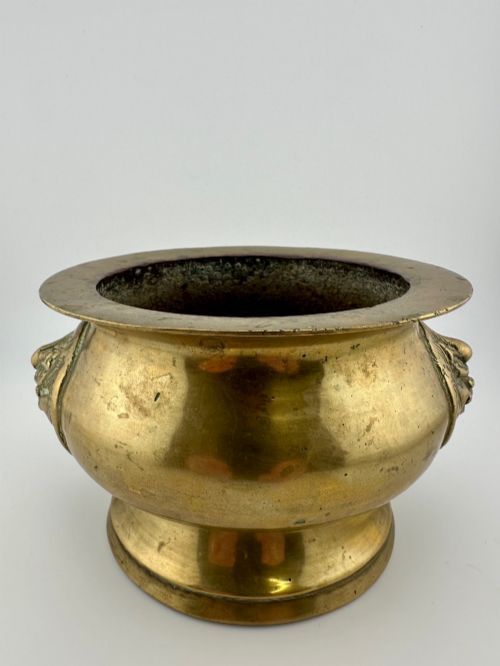
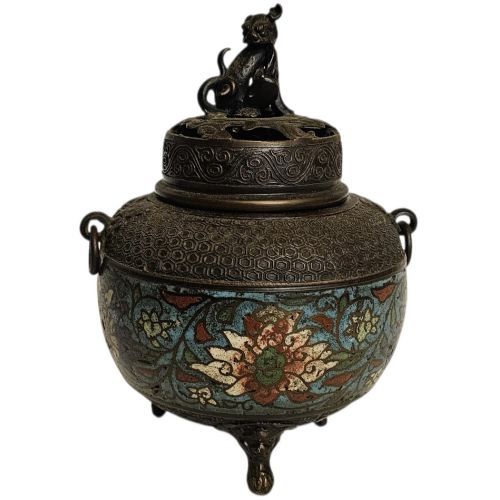
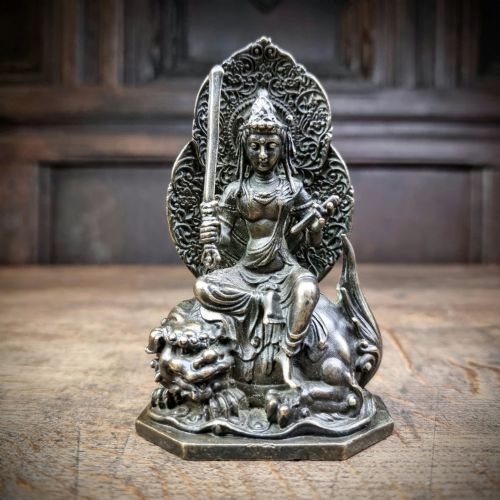
A chinese bronze lion takes many physical forms across the inventory, appearing as temple figures, guardian dogs, and structural elements like door hardware. The most frequent encounters on this page involve censers and incense burners featuring lion masks or sculptural finials.
Mouldings span centuries of work, moving from Ming Dynasty scholar pieces down to Qing Dynasty examples and later Victorian interpretations. Objects range from small bronze seals to massive temple pairs weighing tens of kilograms.
The sculptural tradition draws on Tibetan Buddhist art and traditional Chinese motifs, rendering the guardian figures as shishi, foo dogs, or qilin lions. These creations served religious, domestic, and scholarly functions in their original settings.
Materials and casting technique
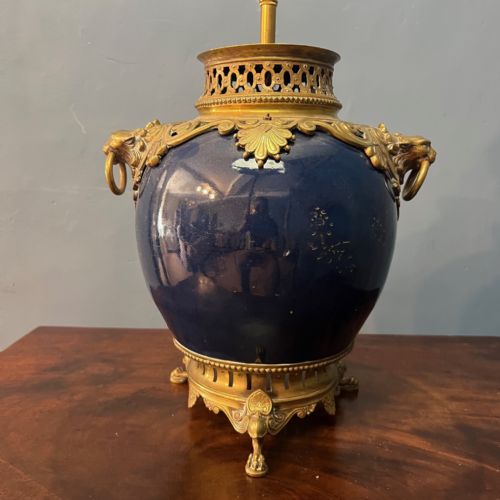
Foundry work relies on metal casting, producing heavy objects of solid bronze, brass, or gilt bronze. Certain pieces incorporate cloisonne enamel or porcelain elements alongside the metal structure.
Surface finish varies through applied gilding, patination, and enamel work. Heavy cast construction defines pieces such as temple lions and scholar censers, giving them substantial physical mass.
Chinese Bronze Lion Retail Price Guide 2026
Typical asking prices for chinese bronze lion among the pieces listed under this phrase on Sellingantiques today, from the lower quarter to the upper quarter. They describe what is for sale here now, not the wider market.
Listings feature 19th Century, 17th Century, Victorian, and 1920 periods in bronze, brass, gilt bronze, and cloisonne enamel forms.
Distinctions in quality
Quality rests in the definition of the casting work and the crispness of the chased details on lion masks and fur. Finer scholar items display deliberate handling of proportion and surface texture.
Substance and weight separate robust temple figures from lighter decorative items. The integration of supporting stands and the preservation of original patination or gilding dictate the standing of a piece.
The Chinese Bronze Lion Glossary
- Shishi
- A traditional stone or bronze guardian lion representing protection in Chinese art. They often appear guarding doorways or acting as finials on ritual vessels.
- Censer
- A vessel designed for burning incense during rituals or in scholar studies. Examples in this category frequently incorporate lion masks or fu lion lids.
- Cloisonne
- A decorative metalwork technique using enamel contained within thin wire partitions soldered to a bronze base. This method adds colour to ritual vessels.
- Qing Dynasty
- The final imperial dynasty of China, spanning from the seventeenth to the early twentieth century. Many bronze items on the market originate from this prolonged period.
- Foo Dog
- A common Western term for the guardian lions placed outside temples and palaces. These mythical creatures combine the traits of a lion and a mastiff.
Chinese Bronze Lion: Frequently Asked Questions
What is a chinese bronze lion used for?
Many of these objects functioned as ritual vessels for burning incense in temples or scholarly settings. Others served as architectural guardians or decorative mantel items.
Larger pairs stood as temple lions to protect sacred spaces, while smaller scholar pieces held seals or decorated desks.
How do I date a bronze lion?
Dating relies on stylistic markers from dynasties such as the Ming and Qing, alongside nineteenth-century Victorian adaptations. Material composition, casting weight, and patination help establish the period.
Object types also indicate age, with scholar pieces often aligning with seventeenth-century traditions while temple pairs frequently date to the nineteenth century.
Are these pieces solid bronze?
The listings include heavy cast bronzes alongside brass and gilt bronze variations. Some items combine bronze with cloisonne enamel or porcelain elements.
Weight varies significantly from small desk seals to massive temple figures weighing over thirty kilograms.
What is the difference between a foo dog and a temple lion?
The terms describe the same mythical guardian creature, known traditionally in China as the shishi. Western collectors often use foo dog interchangeably with temple lion.
Both forms appear across different periods as sculptural figures, door knockers, and vessel handles.