



Chinese Bronze Enamel
Chinese bronze enamel objects bring rich metalwork and colourful vitreous decoration into interiors, spanning nineteenth century vessels to later export pieces.
Chinese Bronze Enamel
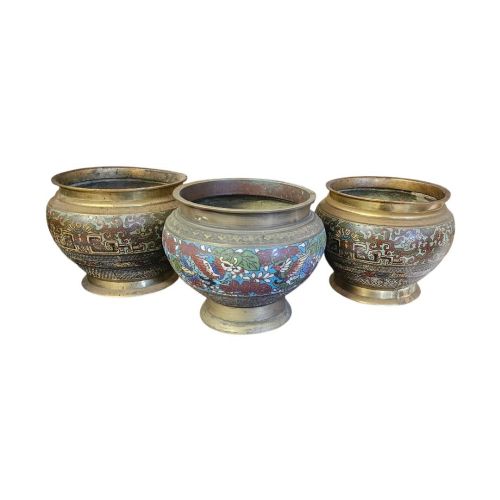
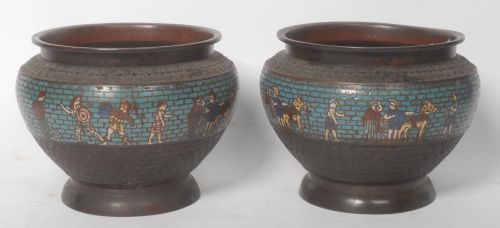
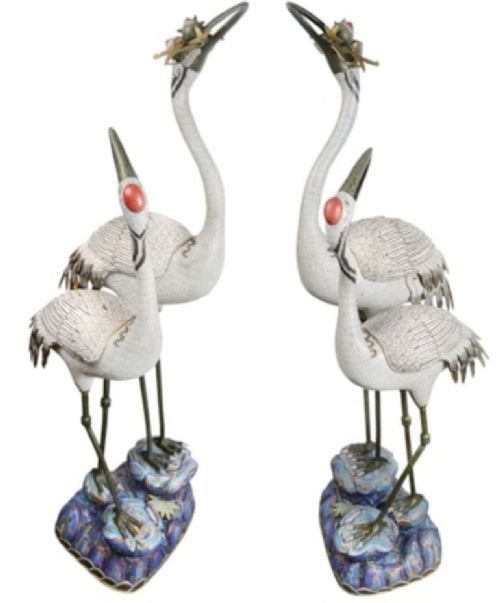
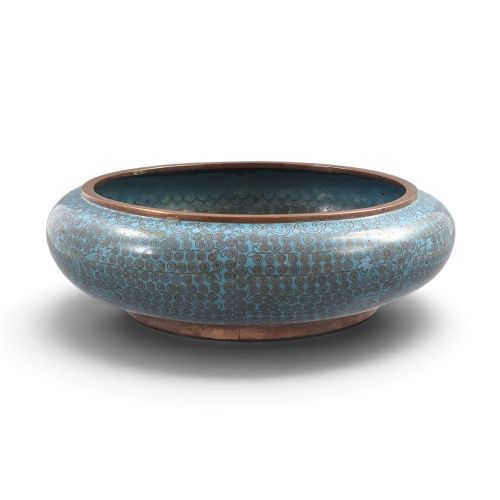
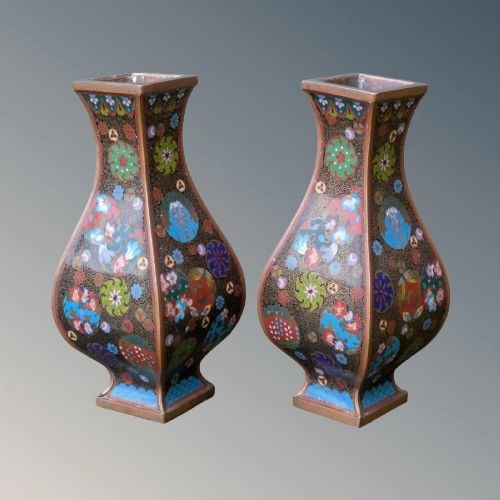
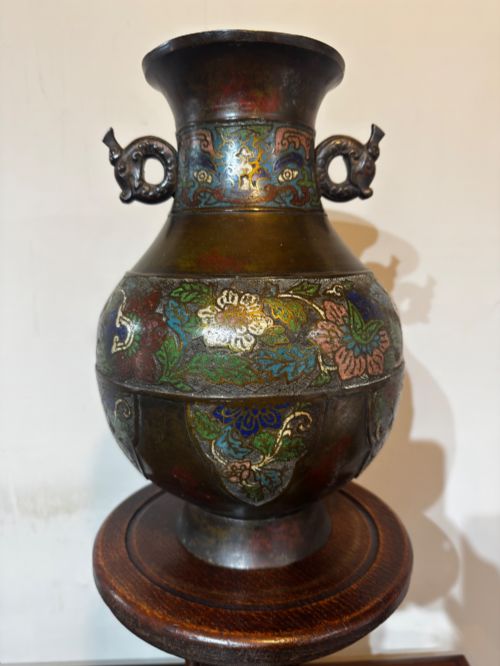
When searching for chinese bronze enamel, buyers encounter functional and decorative vessels cast in metal and detailed with vibrant vitreous infill. These range from utilitarian scholar's brush washers and tea pots to monumental jardinières and lidded koros.
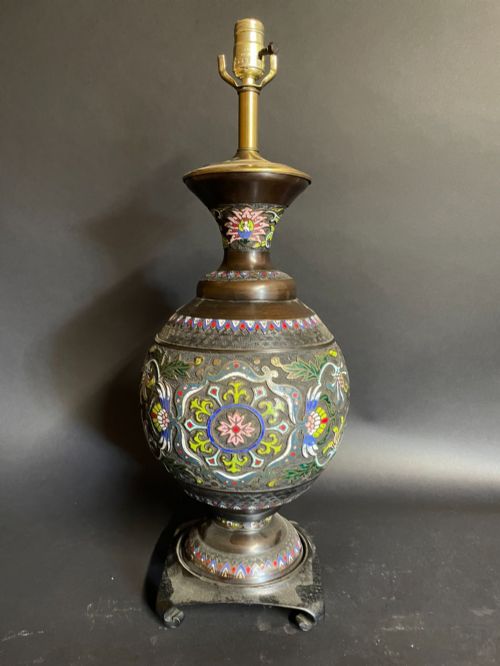
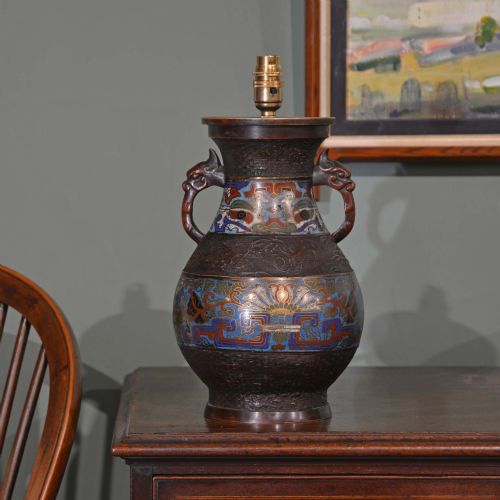
The selections available here lean heavily toward nineteenth century examples and pieces from around nineteen-twenty, encompassing Qing Dynasty aesthetics and Chinese Export productions. Forms frequently take the shape of vases, censers, tripod vessels, and cachepots alongside lamps adapted from earlier forms.
Imperial style creations and archaistic wine vessels also appear, demonstrating traditional motifs applied to bronze, brass, and copper bodies. Collectors choose these items to introduce textured metallic surfaces and intricate coloured patterns into period or eclectic rooms.
How they were made
Maker's workshops cast foundational bodies in bronze, brass, or copper, sometimes mounting pieces in gilt metal, ormolu, or incorporating silk and fabric elements. Artisans then applied enamel decoration using either cloisonné methods, where thin metal wires form individual cells, or champlevé techniques, where troughs are gouged directly into the metal surface to hold the vitreous paste.
Following the application of coloured enamels, the entire object underwent firing and meticulous polishing to level the metal wires and glass surfaces into a smooth plane. Gilding was frequently added to exposed bronze edges, handles, and bases to contrast against the patterned enamel fields.
Current listings feature pieces spanning the nineteenth century through to nineteen fifty, incorporating silk, fabric, and gilt bronze materials.
What varies in quality
Distinction across pieces rests on the precision of the metal casting and the complexity of the wirework or carved troughs. Tightly packed enamel cells with minimal pitting and harmonious colour palettes indicate higher workshop standards.
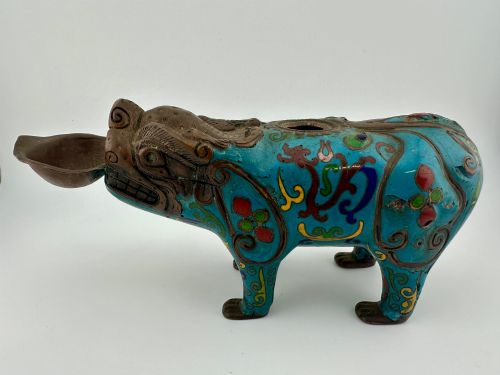
Weight and structural heft signal superior metal density, particularly in larger jardinières, bowls, and temple vessels. Crisp detailing on mythical beasts, qilin lions, and archaic motifs separates standard export goods from finer imperial or scholarly commissions.
The Chinese Bronze Enamel Glossary
- Cloisonné enamel
- A technique where flat metal wires are soldered onto a metal base to create compartments, which are then filled with enamel paste and fired. This method produces intricate, multi-coloured geometric and floral designs.
- Qilin
- A mythical hooved chimerical creature frequently depicted in Chinese art and cast onto bronze censers or vessels. It symbolises good omens and prosperity.
- Jue cup
- An ancient style of ritual three-legged wine vessel featuring prominent upright posts and a flared spout. Later revival pieces emulate this archaic form in bronze and enamel.
- Koro
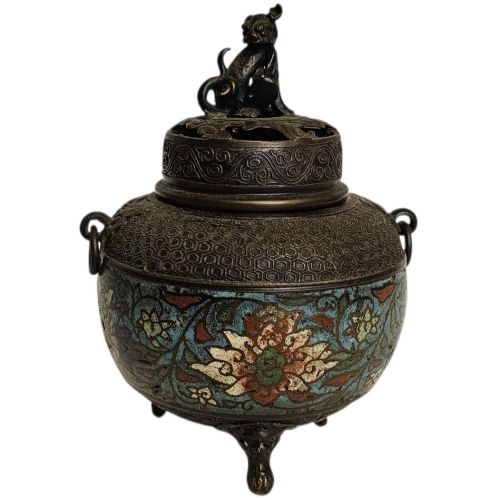
- A traditional eastern incense burner, often lidded and supported on tripod feet, constructed from cast bronze with decorative enamel panels.
Chinese Bronze Enamel: Frequently Asked Questions
How do I clean chinese bronze enamel?
Dust surfaces gently with a soft, dry brush to prevent accumulation in recessed wire channels. Avoid liquid cleaners, abrasives, or chemical dips that can damage aged metal patinas and brittle vitreous infill.
For stable pieces, a microfibre cloth lightly dampened with distilled water suffices for removing surface grime. Ensure the object is dried immediately afterwards to protect exposed copper or brass elements.
Were these pieces used for burning incense?
Many examples, such as censers, tripod vessels, and lidded koros, served practical functions in scholarly and ritual spaces for burning aromatic resins. The robust bronze and enamel construction withstood the heat generated during use.
Other forms, including jardinières, brush washers, and vases, were intended entirely for display, desk use, or holding plants. Examining the interior surfaces often reveals traces of past use or patination specific to incense burning.
How do I date a bronze enamel vessel?
Dating relies on assessing the alloy composition, the weight of the casting, and the chemical consistency of the enamel colours. Nineteenth century pieces often display heavier bronze bodies and distinct patination compared to twentieth century export items.
Stylistic markers, such as specific Qing Dynasty reign periods or archaistic revivals, provide chronological reference points. Workshop marks and Beijing origins also help narrow the manufacturing window.
Can I convert a vase into a lamp?
Historical conversion practices frequently adapted vases, tazzas, and lidded vessels into table lamps by mounting them on ormolu or metal bases. These alterations often occurred during the nineteenth or early twentieth centuries to suit western domestic interiors.
Buyers should inspect whether wiring modifications affected the original base or pierced the bronze body. Retaining the original mounting adds historic character to lamps adapted from antique vases.