



Chinese Bitong Brush Pot
A chinese bitong brush pot brings the scholarly traditions of the Qing Dynasty directly to the desk.
Chinese Bitong Brush Pot
A chinese bitong brush pot is a cylindrical vessel designed to hold writing brushes in the traditional scholar's studio. These pieces emerge predominantly from the Qing Dynasty, spanning from the seventeenth century through to the nineteenth century.
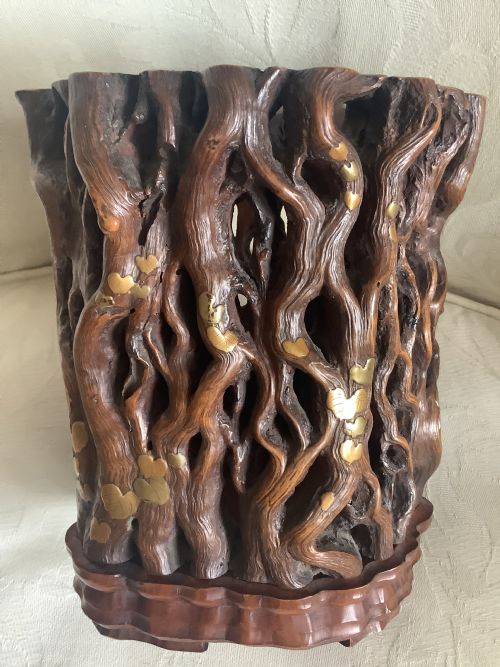
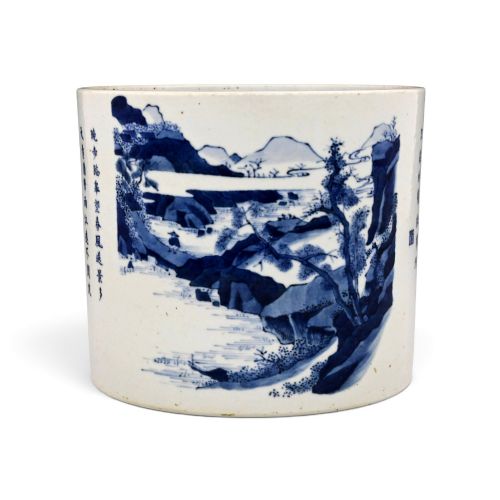
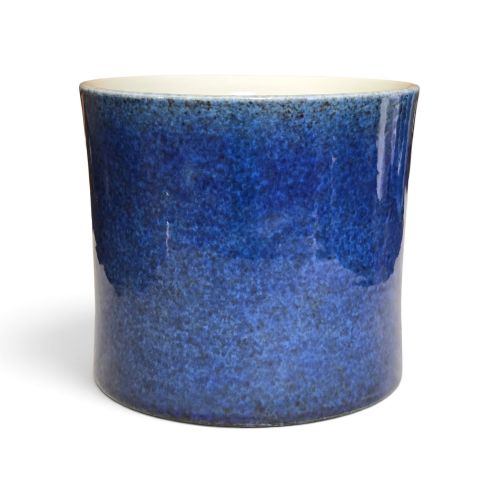
Buyers will encounter cylindrical forms rendered in porcelain, bamboo, and hardwood. The selection includes fine blue and white porcelain, powder-blue glazes, famille rose, and deeply carved natural materials.
These desk accessories reflect the refined tastes of Chinese scholars. The examples on offer range from early pieces attributed to the Kangxi period to late nineteenth-century works.
Distinctions in Quality
Quality rests upon the depth and clarity of the carving in bamboo and hardwood. Finer vessels display intricate undercut details and crisp motifs rather than shallow or mechanical scoring.
In porcelain pieces, the standard depends on the control of cobalt underglaze, the vibrancy of enamel pigments, and the smoothness of the glaze. Earlier works from the Kangxi period demonstrate particular refinement in potting and decoration.
Chinese Bitong Brush Pot Retail Price Guide 2026
Typical asking prices for chinese bitong brush pot among the pieces listed under this phrase on Sellingantiques today, from the lower quarter to the upper quarter. They describe what is for sale here now, not the wider market.
Materials span porcelain, bamboo, and hardwood, decorated with blue and white, enamel, and hand-carved relief.
The Chinese Bitong Brush Pot Glossary
- Bitong
- A cylindrical brush pot used in traditional Chinese scholar's studios. This form holds writing brushes upright on a desk.
- Famille Rose
- A palette of opaque overglaze enamels dominated by pink or rose colours, introduced during the Qing Dynasty. It allows for delicate shading and intricate polychrome designs.
- Kangxi Period
- The reign period from sixteen sixty-two to seventeen twenty-two, known for high achievements in porcelain production. Pieces from this era often feature brilliant cobalt underglaze and fine famille verte enamels.
- Qing Dynasty
- The final imperial dynasty of China, ruling from sixteen forty-four to nineteen twelve. Most traditional brush pots date from this extensive period of artistic output.
- Underglaze
- Decoration applied to ceramic bodies before glazing and firing. Cobalt is the most common pigment used beneath a clear glaze.
Chinese Bitong Brush Pot: Frequently Asked Questions
What is a bitong used for?
A bitong serves as a cylindrical container for traditional calligraphy brushes.
Scholars placed these vessels on desks to keep writing implements organised and accessible.
How do I date a brush pot?
Dating relies on stylistic markers, material preparation, and glaze characteristics.
Pieces align with Qing Dynasty periods, such as the Kangxi era or later nineteenth-century manufacturing trends.
Are these pieces made of porcelain or wood?
Both materials appear frequently among these items.
Potters used porcelain with blue and white or enamel decoration, while carvers worked with bamboo and dense hardwoods.
How do I care for a bamboo brush pot?
Organic materials require stable humidity to prevent drying and cracking.
Keep wooden and bamboo vessels away from direct sunlight and sudden temperature shifts.