





Chinese Art Object
A Chinese art object spans millennia of material culture, offering tangible history and scholarly refinement to any collector.
Chinese Art Object
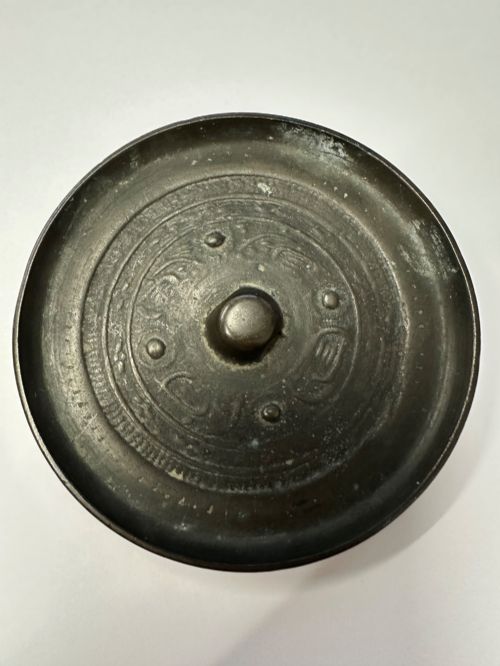
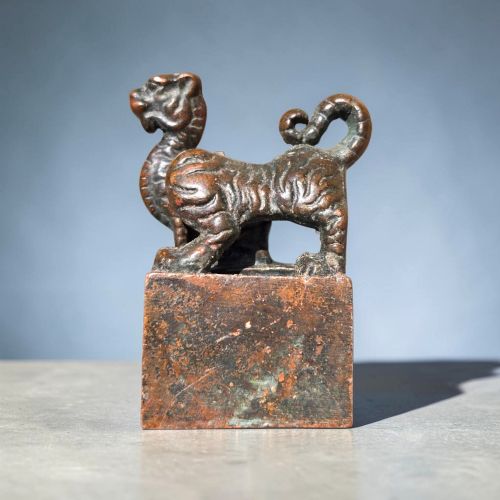
Every Chinese art object gathered here represents centuries of craftsmanship across dynasties, ranging from archaic ritual bronzes to Qing Dynasty scholar's items. These artefacts encompass diverse forms such as carved jade, bronze mirrors, bamboo brush pots, and soapstone seals.
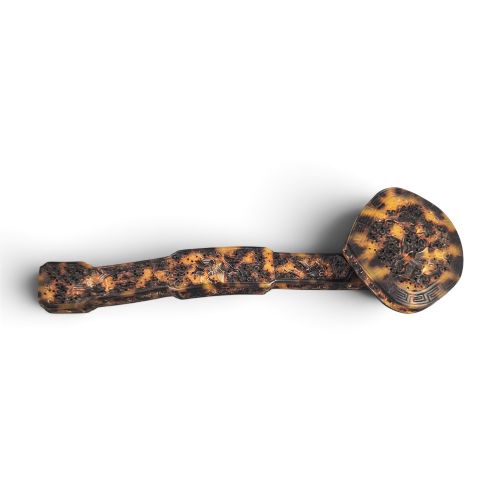
The pieces most frequently met on this page belong to the Qing Dynasty and the nineteenth century, including ritual vessels, ruyi sceptres, and intricate wood carvings. Such items reflect both domestic scholarly pursuits and ancient ceremonial traditions.
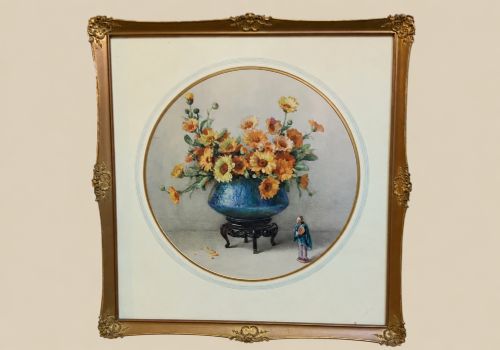
Objects span utilitarian scholar's equipment, including ink stone display sets and brush washers, alongside purely decorative sculptures and wall plaques. Materials vary widely, demonstrating the breadth of historical Asian craftsmanship available to contemporary buyers.
What varies in quality
The standard of a Chinese art object rests upon the precision of the carving and the purity of the chosen material, whether jade, bronze, or hardwood. Finer examples display deep, controlled relief work and thoughtful handling of natural material grain.
Proportion and execution distinguish standard utilitarian pieces from exceptional scholar's objects, where balanced composition and subtle patination elevate the visual weight of the form.
Chinese Art Object Retail Price Guide 2026
Typical asking prices for chinese art object among the pieces listed under this phrase on Sellingantiques today, from the lower quarter to the upper quarter. They describe what is for sale here now, not the wider market.
Periods represented across the inventory include the Western Han Dynasty, Ming Dynasty, Qing Dynasty, and the Victorian era.
The Chinese Art Object Glossary
- Ruyi sceptre
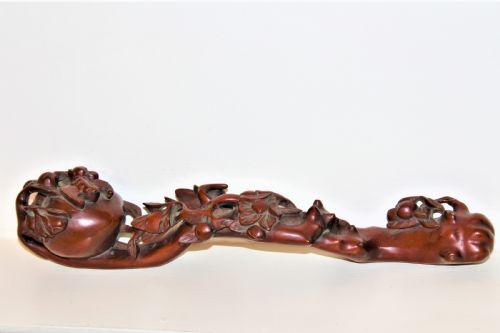
- An ornamental, S-shaped ceremonial object traditionally symbolising power and good fortune. These are frequently carved from materials such as boxwood, jade, or tortoiseshell.
- Brush washer
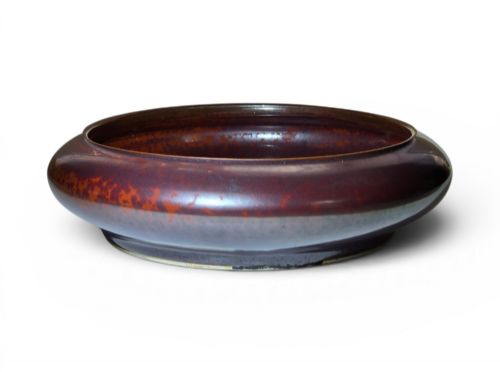
- A vessel utilised by scholars to clean ink brushes during calligraphy and painting. They appear in ceramic, iron rust-glazed stoneware, and buffalo horn.
- Scholar's object
- An item belonging to the traditional literati class, used in study and contemplation. Examples include brush pots, seal sets, and ink stones.
- Archaic
- A stylistic descriptor pointing back to ancient dynasties and ritual forms. It often denotes pieces referencing early bronze or jade designs.
- Qing Dynasty
- The final imperial dynasty of China, spanning from the seventeenth to the early twentieth century. Many decorative sculptures and carved panels originate from this era.
Chinese Art Object: Frequently Asked Questions
How do I care for organic materials?
Organic materials such as boxwood, bamboo, and tortoiseshell require stable indoor humidity levels and protection from direct sunlight.
Regular dusting with a soft, dry cloth preserves the historical patina without damaging the surface.
How are dynasties identified on pieces?
Dynastic attribution relies on stylistic conventions, material treatment, and specific motifs characteristic of periods like the Ming or Qing.
Comparative study of carving depths and vessel forms helps narrow down the probable era of creation.
Were these objects meant for display?
Many items served dual purposes as functional tools for scholars and decorative sculptures within a study.
Ceremonial vessels and wall plaques were primarily created for display or ritual observance.