




Chinese Antiquities
Chinese antiquities span millennia of material culture, offering tangible links to dynastic courts and early civilisations through ritual bronzes and ancient ceramics.
Chinese Antiquities
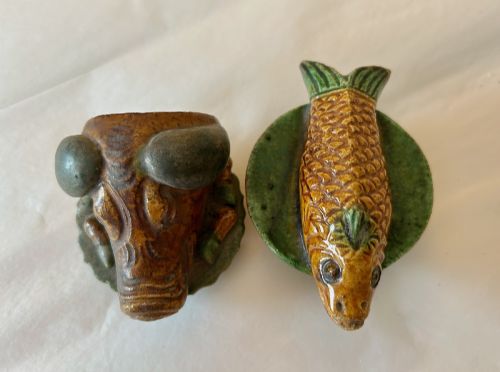
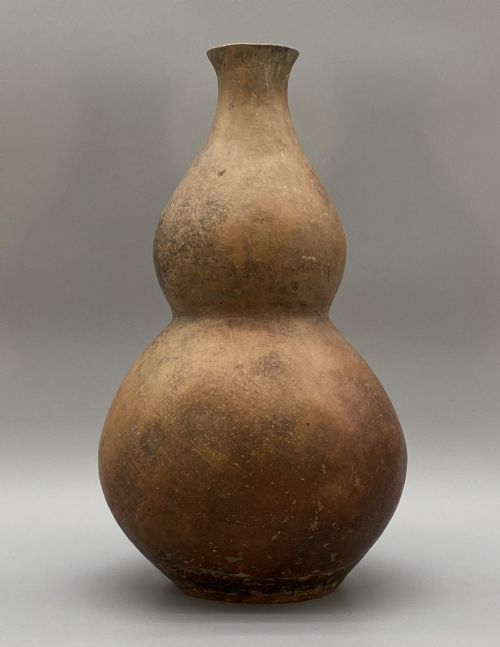
When buyers search for chinese antiquities, they encounter objects spanning from Neolithic earthenware up to nineteenth-century metalwork and scholar's pieces. The selection here leans heavily towards early bronzes, ritual vessels, and dynastic ceramics from periods such as the Han, Ming, and Qing dynasties.
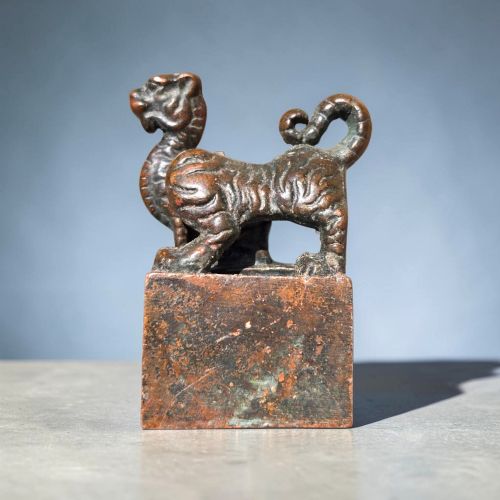
The inventory includes functional scholar's objects, incense burners, and large sculptural figures created for both ritual and daily use. These diverse forms reflect the shifting aesthetic priorities and spiritual practices of successive Chinese eras.
Buyers are most likely to meet bronze censers, ceramic figures, and vessel forms on this page, representing several centuries of craftsmanship. Each piece bridges domestic scholarly pursuits and ancient ceremonial traditions.
Materials and Techniques
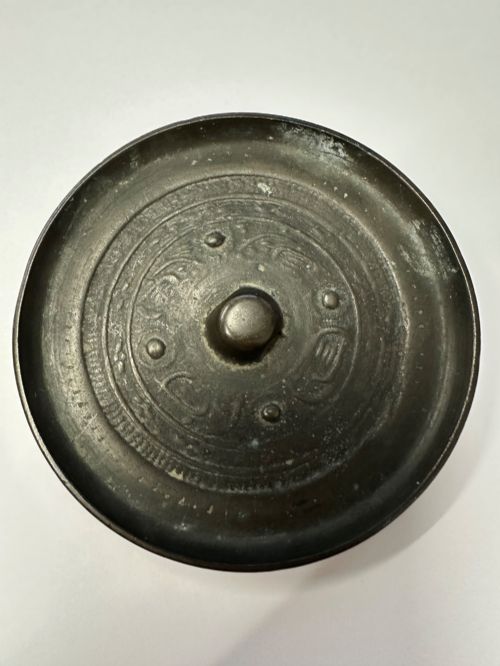
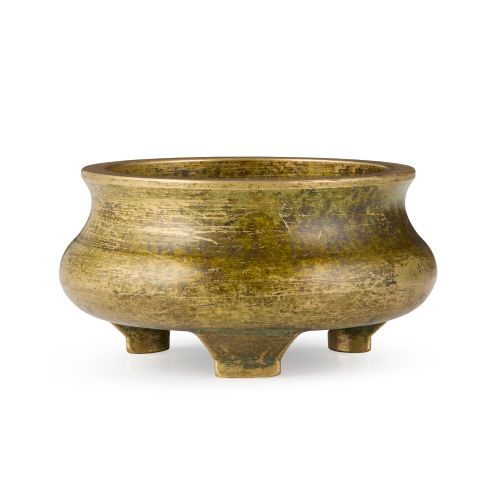
Metalwork relies on copper alloy and bronze casting techniques, often seen in ritual vessels, mirrors, and tripod censers displaying patinated surfaces. Iron and patinated metal also appear in sculptural busts and larger decorative objects.
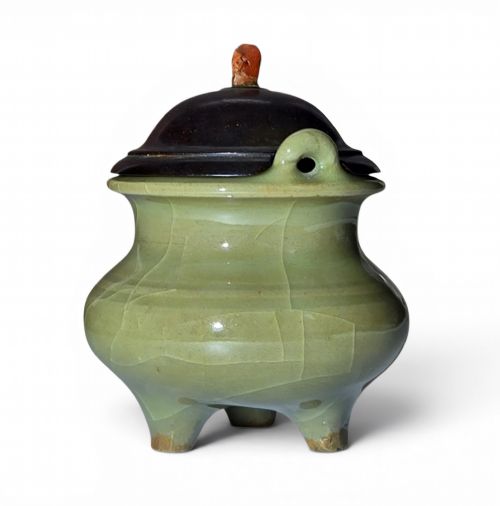
Ceramic production utilises terracotta, stoneware, and specialised glazes such as celadon and qingbai, alongside white dehua porcelain. These pieces demonstrate ancient firing methods and regional kiln traditions across multiple dynasties.
Chinese Antiquities Retail Price Guide 2026
Typical asking prices for chinese antiquities among the pieces listed under this phrase on Sellingantiques today, from the lower quarter to the upper quarter. They describe what is for sale here now, not the wider market.
Materials represented include bronze, terracotta, patinated metal, celadon, stoneware, zitan wood, and coral.
Assessing Quality
Quality rests in the precision of the casting or throwing, the integrity of the original material, and the survival of surface patination or glaze characteristics. Pieces carrying period marks or retaining bespoke additions like zitan wood and coral covers demonstrate higher levels of historical integration.
The distinction between ordinary production and superior examples lies in the clarity of form and the authenticity of the period surface. Finer works maintain their structural balance and stylistic coherence without losing the tactile qualities imparted by ancient makers.
The Chinese Antiquities Glossary
- Bronze
- An alloy of copper and tin utilised extensively for ancient ritual vessels, mirrors, and censers. It develops distinctive patination over centuries of burial or exposure.
- Celadon
- A term for ceramics featuring pale green or grey-green glazes originating in historic Chinese kilns. The glaze mimics the appearance of jade.
- Tripod Censer
- A traditional vessel supported by three legs, primarily used for burning incense in scholarly studios or ritual settings. These often appear in bronze or ceramic.
- Scholar's Object
- An item created for the desk of a traditional Chinese scholar, encompassing brush pots, seals, and small resting vessels. These objects combined utility with refined artistic expression.
- Zitan Wood
- A dense, heavy hardwood prized by Chinese cabinetmakers for luxury items and bespoke fitted covers. It darkens significantly with age.
Chinese Antiquities: Frequently Asked Questions
What are chinese antiquities made from?
These objects are primarily fashioned from bronze, copper alloy, terracotta, and various stonewares. Materials also include zitan wood, coral, and iron.
Craftsmen utilised these durable substances to create ritual vessels, figures, and scholar's items designed to endure for centuries.
How were tripod censers used?
Tripod censers served as vessels for burning aromatic incense in homes, temples, and scholarly studios. The three-legged design provided stability on tables or altar surfaces.
They formed part of the scholarly environment where fragrance aided meditation and writing.
How can I identify dynastic periods?
Periods are identified through specific stylistic markers, casting techniques, material composition, and characteristic glazes. Early forms show archaic motifs or Neolithic origins, while later pieces reflect Ming and Qing aesthetics.
Scholar's marks and associated fitted covers sometimes provide further chronological indicators.
How do I care for bronze antiquities?
Bronze pieces require stable indoor environments away from excessive moisture and direct sunlight to preserve their patination. Dusting with a soft, dry cloth is usually sufficient for maintenance.
Avoid using chemical polishes that can remove historical surface finishes.