




Chestnut Wood Carving
Chestnut wood carving brings warmth and rich grain to period interiors, offering solid construction and deep provincial character.
Chestnut Wood Carving
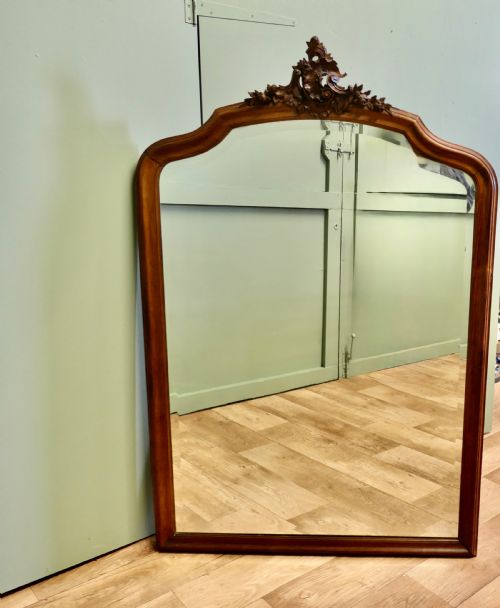
When you search for chestnut wood carving, you are looking at substantial items formed from timber with a pronounced grain and deep natural tone. The examples on this page span from the seventeenth century through to the nineteenth century, taking forms such as panels, decorative herms, deed boxes, and cabinets.
French provincial and Spanish folk art styles dominate the selection, bringing rustic utility and architectural presence together. You will frequently encounter panels, armoires, chests, and low tables produced by regional workshops across Europe, utilising chestnut alongside fruitwood and oak.
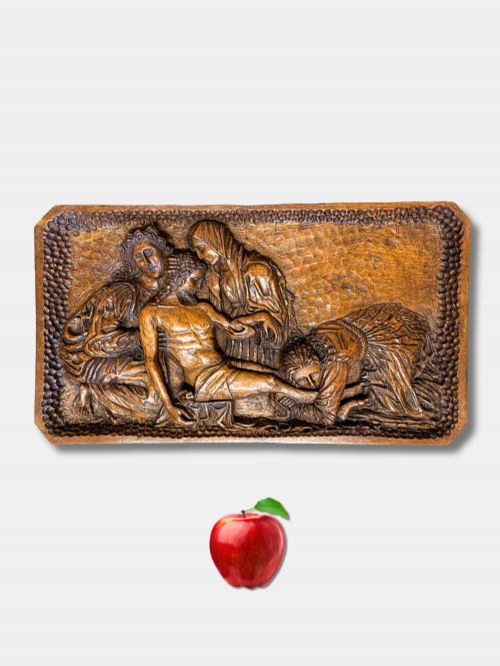
The seventeenth and eighteenth centuries provide the most distinct examples of this craft, often displaying relief carving and religious or domestic iconography. These pieces range from structural furniture elements to standalone decorative panels intended for domestic display.
Materials and construction
The primary material is chestnut, a timber chosen for its durability and tactile grain, frequently combined with secondary woods such as oak and fruitwood in regional furniture. Craftsmen shaped these items using hand tools to create structural joints and surface decoration that responds directly to the physical properties of the timber.
Carving techniques on these pieces rely on deep relief and chip carving, visible in architectural elements like herms and devotional subjects such as panels depicting figurative scenes. Iron and brass hardware occasionally supplement the wooden construction, particularly on boxes, chests, and cabinets.
Chestnut Wood Carving Retail Price Guide 2026
Typical asking prices for chestnut wood carving among the pieces listed under this phrase on Sellingantiques today, from the lower quarter to the upper quarter. They describe what is for sale here now, not the wider market.
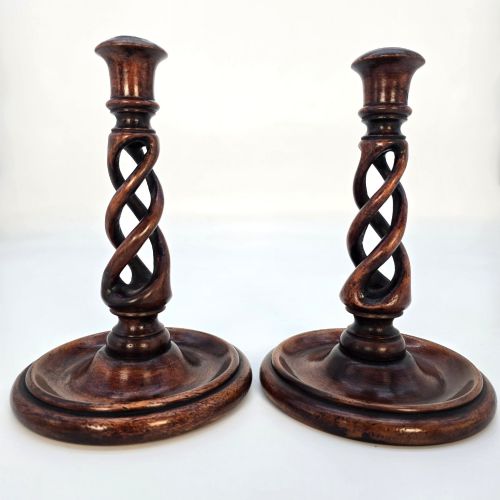
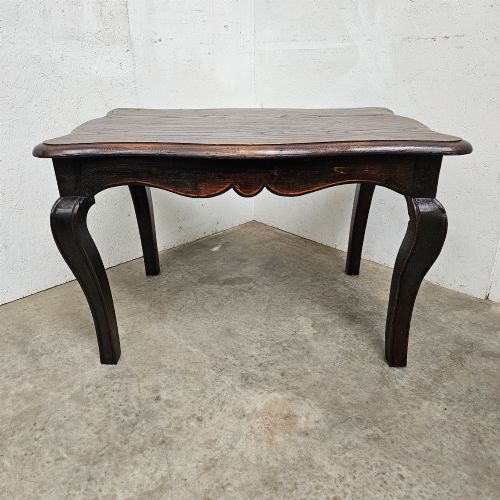
Object types include washstands, candlesticks, low tables, settles, cabinets, armchairs, and carved panels.
Assessing quality in carved chestnut
Quality in these carvings rests upon the depth and control of the hand tool work, where crisp detail in figurative or geometric motifs distinguishes skilled regional craftsmanship from simpler utilitarian output. The integration of the carving into the broader structure of a chest, panel, or cabinet indicates the maker's competence.
Condition and surface patination play a central role, with untouched timber surfaces showing age and wear rather than heavy modern restoration. The integrity of the original construction, whether a joined panel or a boarded box, determines the relative standing of a piece.
The Chestnut Wood Carving Glossary
- Herm
- A carved bust or upper body tapering into a pillar, often used as an architectural support or decorative terminal figure. They appear frequently in seventeenth and eighteenth-century furniture and architectural elements.
- Lavabo
- A wall-mounted washing fixture comprising a cistern and basin, often housed within a wooden cabinet. The French provincial examples integrate plumbing utility with decorative woodwork.
- Settle
- A wooden bench with a high back, solid arms, and frequently a storage compartment beneath the seat. Spanish and French folk art variants utilise sturdy timbers like chestnut and oak.
- Netsuke
- A small carved toggle used in traditional Japanese dress to secure a pouch or small container. Though distinct from European provincial carving, miniature wood carvings of natural forms appear alongside them.
- Armoire
- A large freestanding wardrobe used for storing clothing, typically featuring double doors and internal shelving. Eighteenth-century regional versions often combine chestnut with secondary hardwoods.
Chestnut Wood Carving: Frequently Asked Questions
How do I clean a antique chestnut carving?
Dust the surface regularly with a soft, dry cloth to prevent dirt accumulation within the carved recesses. Avoid using modern chemical polishes or water, which can damage the historic timber and dry out the wood.
Apply a traditional beeswax sparingly if the chestnut appears dry, buffing gently to maintain a natural sheen. Keeping the piece away from direct sunlight and radiators preserves the stability of the wood.
Where were chestnut carvings made?
Chestnut carvings originate primarily from rural and provincial workshops across continental Europe, particularly in France, Spain, and Italy. Regional craftsmen utilised local timber readily available in their immediate geographic areas.
Different regions developed distinct stylistic traits, such as the figurative panels of Italy or the robust armoires and chests of French provincial makers. These local traditions dictate the specific carving style and construction methods found on each item.
Can I use a chestnut deed box for storage?
These boxes function well for storing small household items, documents, or collections while serving as decorative tabletop objects. Their sturdy construction and historical iron or brass fixings remain entirely suitable for gentle daily use.
Ensure that delicate items placed inside do not rub against unlined wooden interiors if the box lacks original fabric lining. Monitoring the humidity in the room prevents the historic chestnut from warping over time.
What defines Spanish folk art furniture?
Spanish folk art furniture is characterised by robust construction, practical forms, and unpretentious decoration suited to farmhouse interiors. Makers utilised regional timbers like chestnut and pine, often incorporating simple geometric or canopied designs.
These pieces prioritise utility and durability, reflecting the domestic needs of rural households through straightforward joinery. The carving on such items tends to be bold and direct rather than highly refined.