






Cherub Desk Accessories
Cherub desk accessories bring sculptural charm to a workspace, combining practical utility with figurative metalwork.
Cherub Desk Accessories
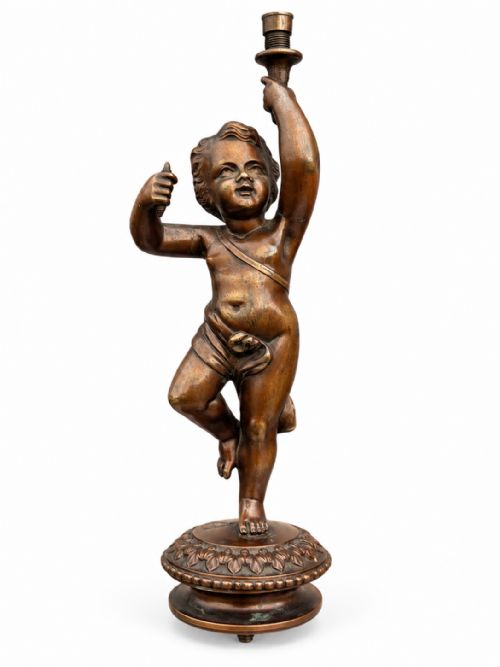
When you search for cherub desk accessories, you encounter items designed to organise stationery and correspondence on a desktop. These pieces typically incorporate winged putti into functional forms such as stamp boxes, letter clips, inkstands, magnifying glasses, and letter racks.
The selections available range across several distinct periods, notably the Victorian era and the Edwardian period. You will frequently find French ormolu, brass, and sterling silver pieces executed in styles including Rococo Revival, Victorian Gothic Revival, and Empire.
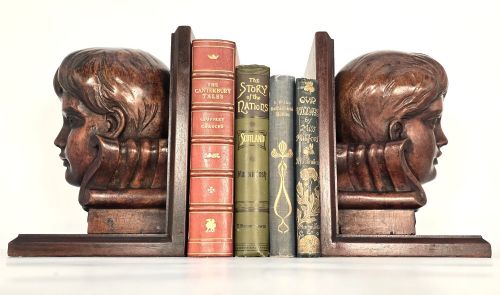
The physical forms vary from small desktop accessories like double stamp boxes to more substantial sets and bookends. Each object balances decorative figurative casting with everyday use on a library or study desk.
How they were made
Metalwork forms dominate these pieces, utilising cast brass, ormolu, gilt bronze, and sterling silver. Artisans shaped these metals through casting and chasing to create detailed figural cherubs and decorative mounts.
Wood and glass also feature in the construction, incorporating materials like mahogany, walnut, coromandel-wood, and cut glass. These natural materials provide a contrasting base or body for the metal mounts and silver details.
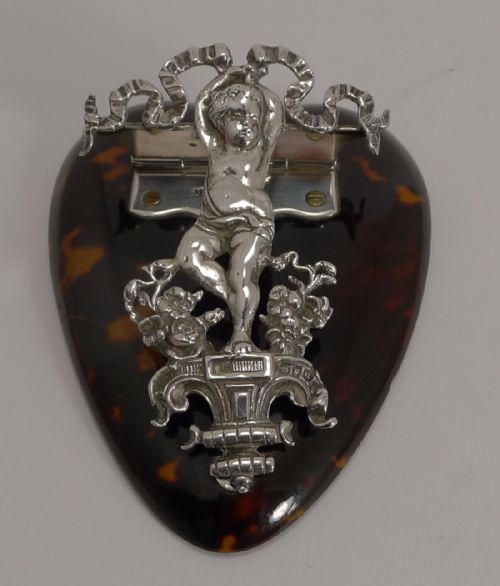
Specialised items integrate organic elements such as tortoise shell alongside precious metals. The combination of carved hardwoods and polished metals demonstrates the technical breadth of nineteenth-century workshops.
Cherub Desk Accessories Retail Price Guide 2026
Typical asking prices for cherub desk accessories among the pieces listed under this phrase on Sellingantiques today, from the lower quarter to the upper quarter. They describe what is for sale here now, not the wider market.
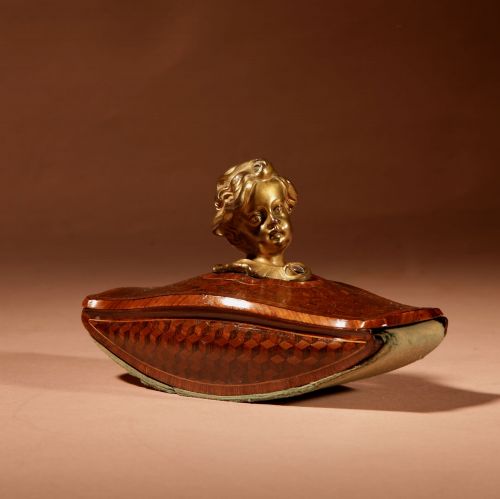
Even a simple stamp required a gilded bronze cherub standing guard over the adhesive corners.
What varies in quality
Material selection and mounting technique separate standard production from superior work. High-grade items employ heavy-gauge sterling silver, fire-gilded ormolu, and well-figured hardwoods rather than lightweight plated brass and plain timber.
Lefebvre of Belgium
The Cherub Desk Accessories Glossary
- Ormolu
- Gilt bronze produced by applying a finely ground high-carat gold-mercury amalgam to a bronze object. This technique creates a rich, durable golden surface seen on many nineteenth-century French pieces.
- Sterling silver
- A silver alloy containing 92.5 percent silver and 7.5 percent other metals, usually copper. It provides the bright metallic lustre used for handles, mounts, and boxes.
- Stamp box
- A small lidded container specifically partitioned to hold postage stamps. These boxes often feature hinged lids decorated with figural motifs.
- Letter rack
- A desk accessory fitted with upright dividers to hold incoming or outgoing correspondence. They are frequently constructed from brass or wood with decorative metal mounts.
- Gilt bronze
- Bronze that has been coated with a thin layer of gold to give the appearance of solid gold. It provides a warm, reflective finish for sculptural desk accessories.
Cherub Desk Accessories: Frequently Asked Questions
What items count as cherub desk accessories?
These accessories include a variety of desktop items that feature winged figures in their design. Common examples are stamp boxes, letter racks, magnifying glasses, and inkstands.
They combine the decorative arts of the nineteenth century with practical desk organisation. The cherub motif appears cast in metal or mounted onto wood and leather surfaces.
How were brass and ormolu used on desks?
Brass and ormolu formed the structural and decorative components of nineteenth-century workspaces. They provided durability and a polished appearance for items handling daily correspondence.
Foundry workers cast these metals into elaborate Revival styles, incorporating putti and scrollwork. The resulting pieces added visual richness to libraries and studies.
How do I identify an Edwardian piece?
Edwardian accessories often reflect lighter neo-classical influences alongside sterling silver mountings. They date from the early twentieth century and frequently feature hallmarks that confirm the exact year of manufacture.
By contrast, mid-nineteenth-century pieces tend to use heavier brass, ormolu, and darker woods like coromandel. Examining the materials and construction methods helps distinguish between Victorian and Edwardian examples.
Where were these desktop items placed?
Owners kept these objects on writing tables, partners' desks, and library reading tables. They served to organise stationery, hold writing fluid, and manage letters.
Their placement reflected both the administrative needs of a Victorian or Edwardian study and a taste for ornate decorative art. Desk sets brought order to correspondence while displaying fine metalwork.