
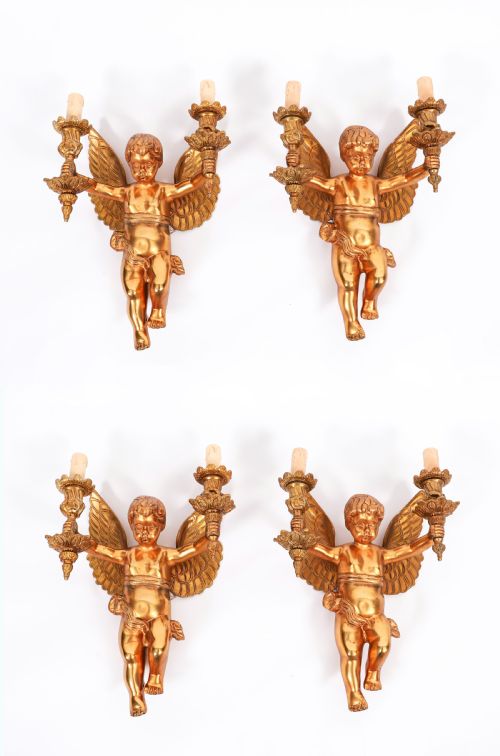
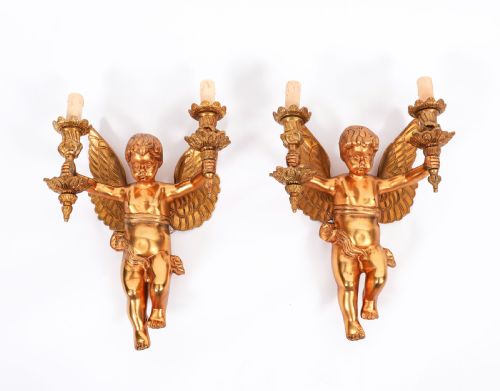

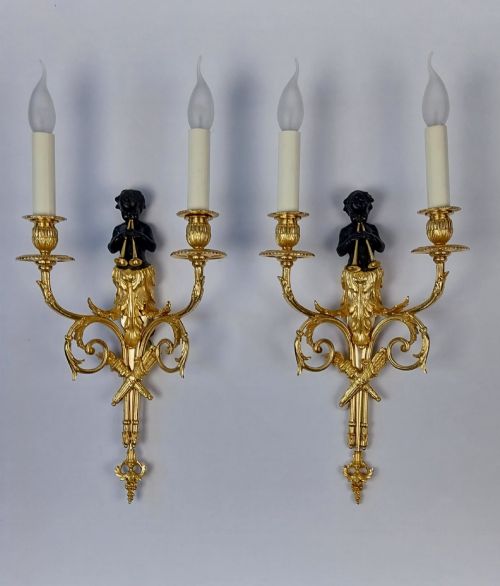
Cherub Bronze Light
When you search for a cherub bronze light, you step into a world of figural illumination shaped by nineteenth-century French and Italian workshops.
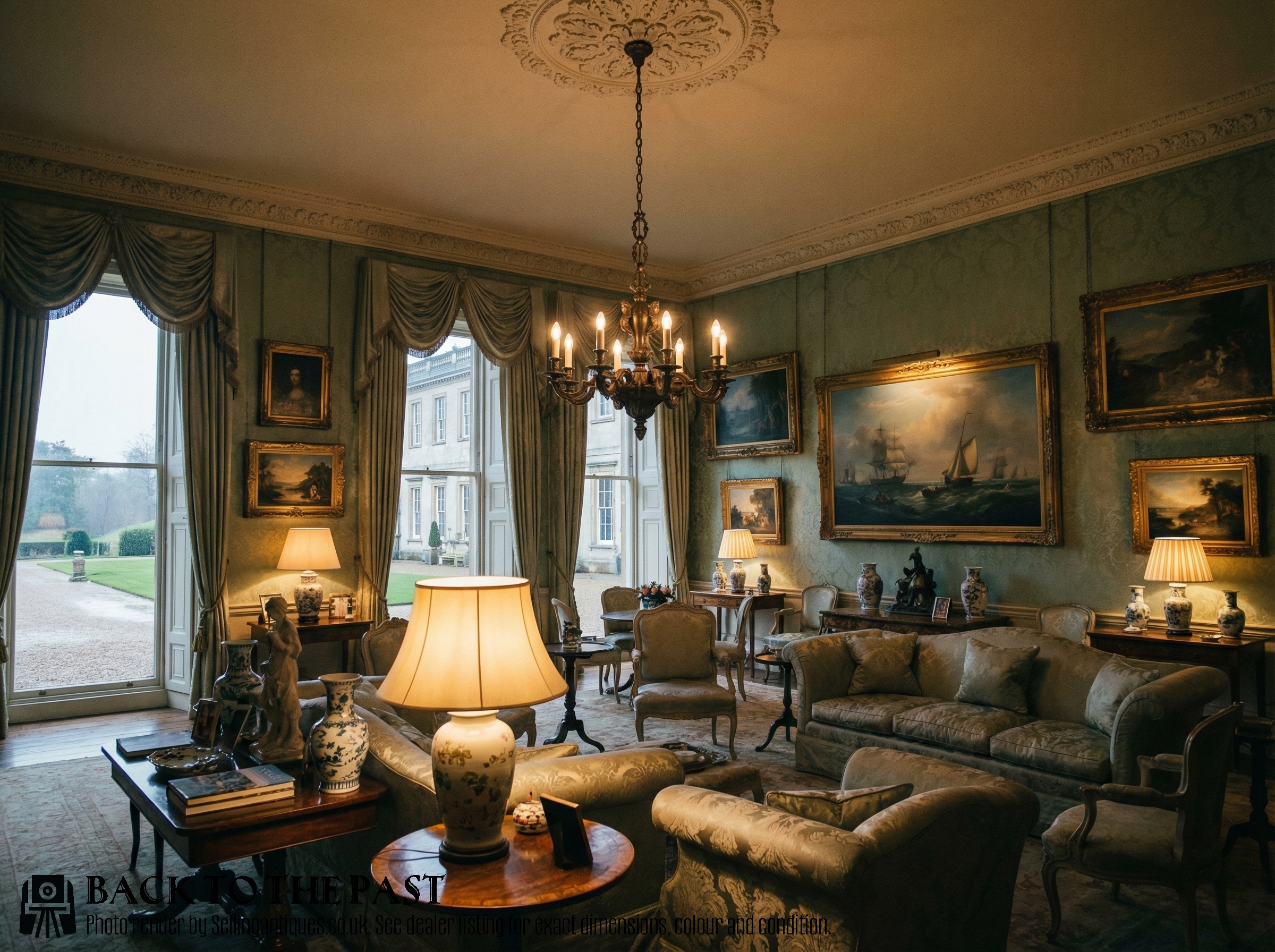
Cherub Bronze Light
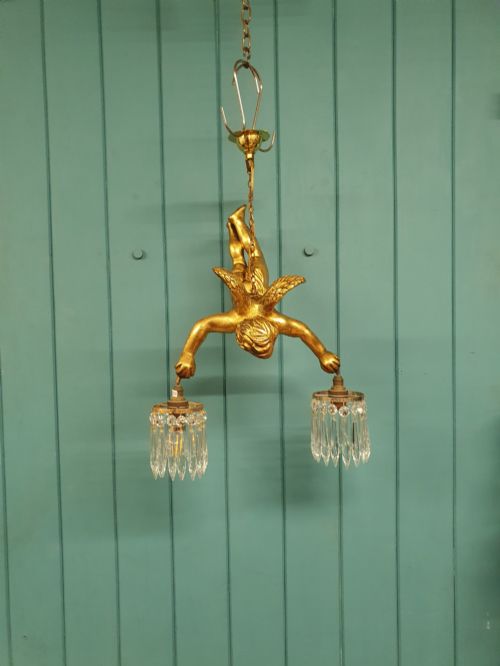
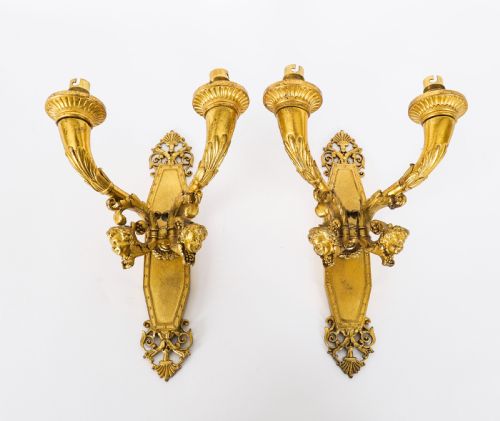
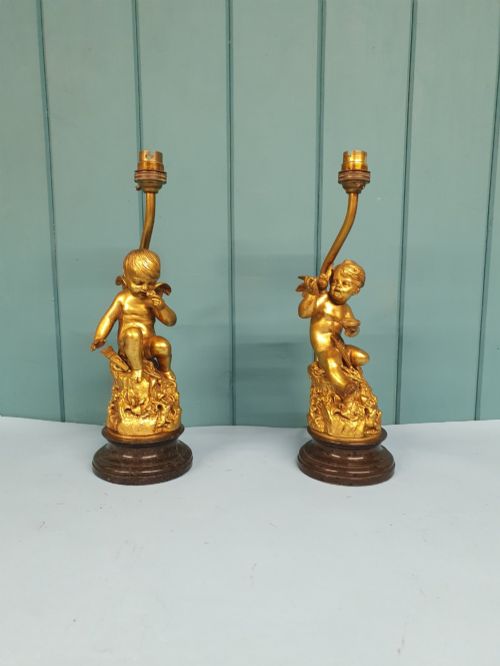
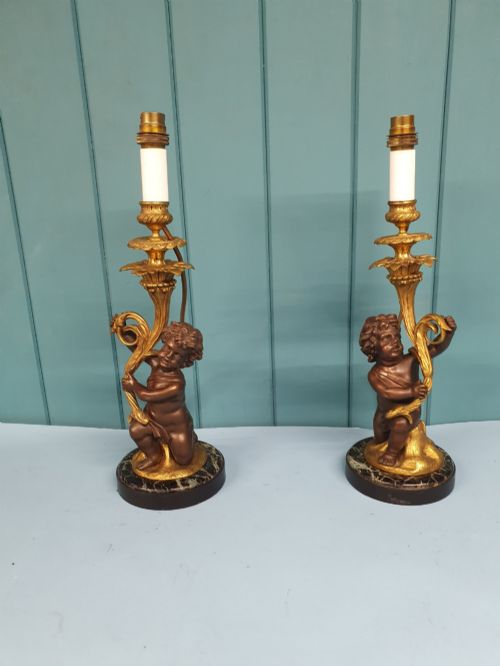
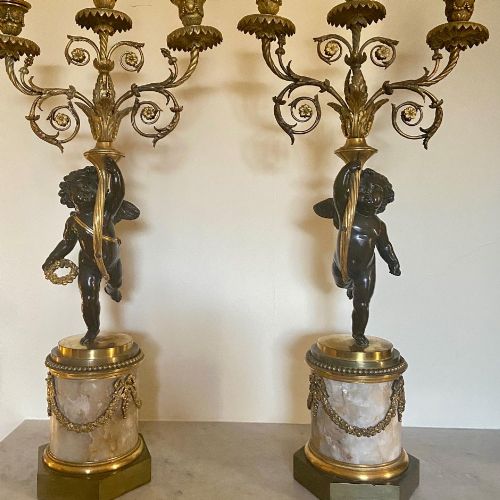
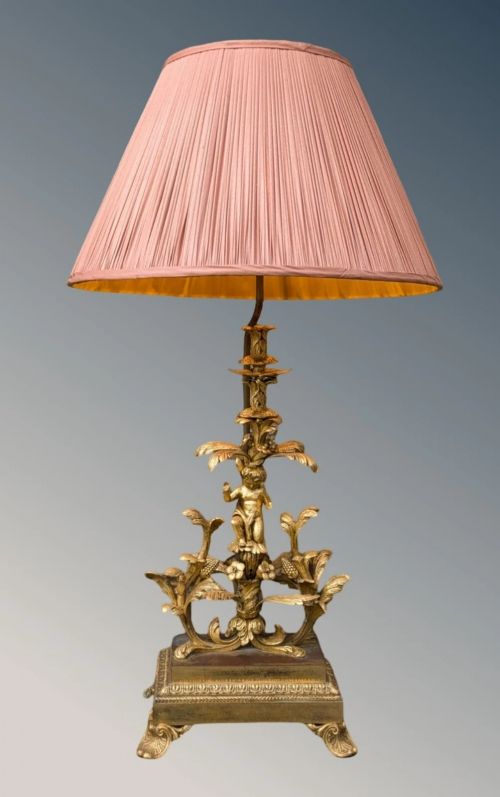
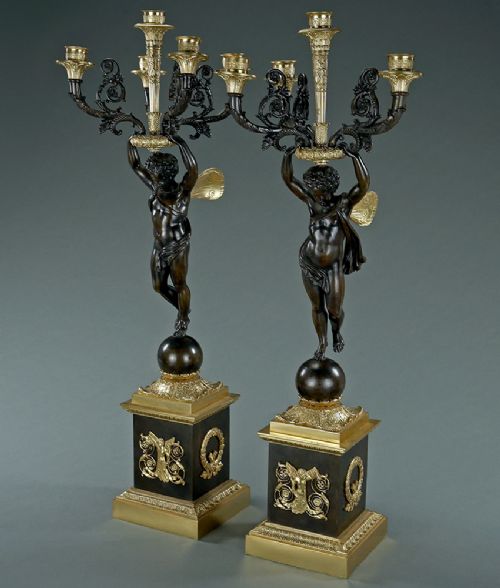
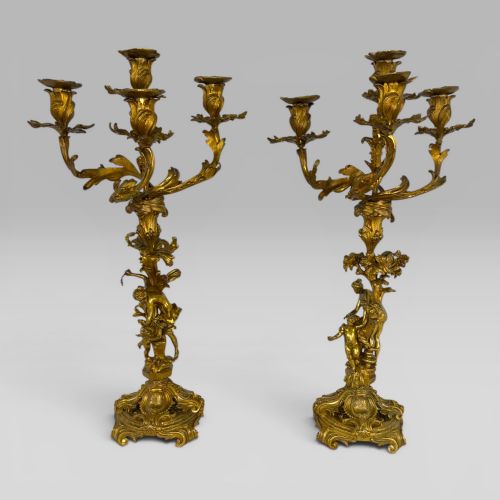
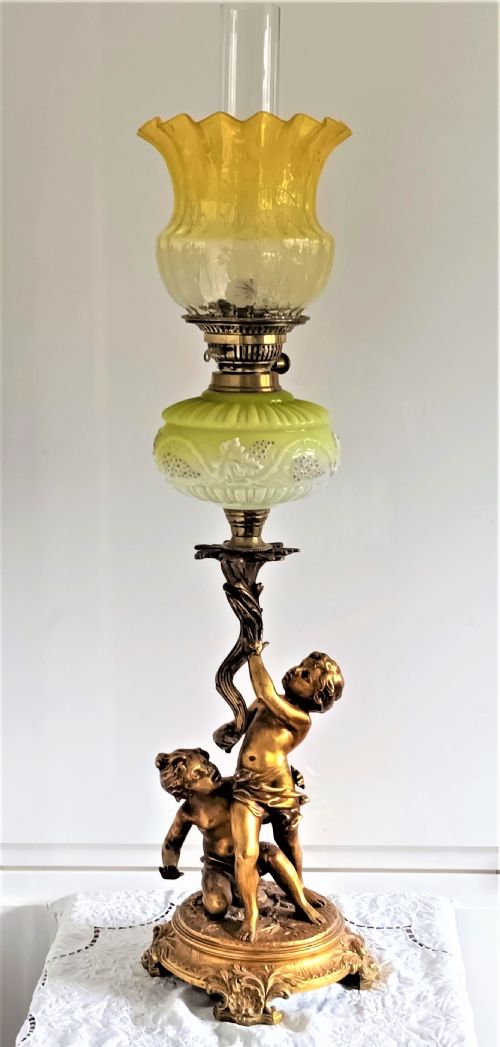
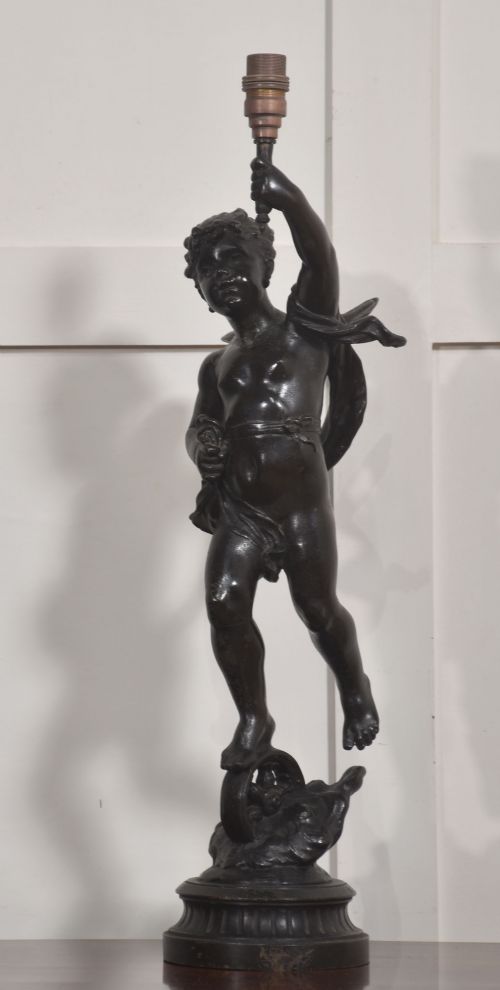
A cherub bronze light incorporates cast figures of winged putti into functional lighting forms such as candelabra, table lamps, wall sconces and multi-branch chandeliers. These pieces emerge predominantly from nineteenth-century production, spanning Victorian, Rococo Revival and Empire styles.
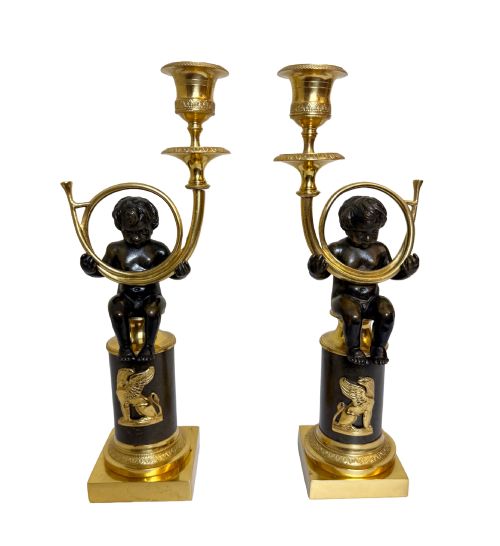
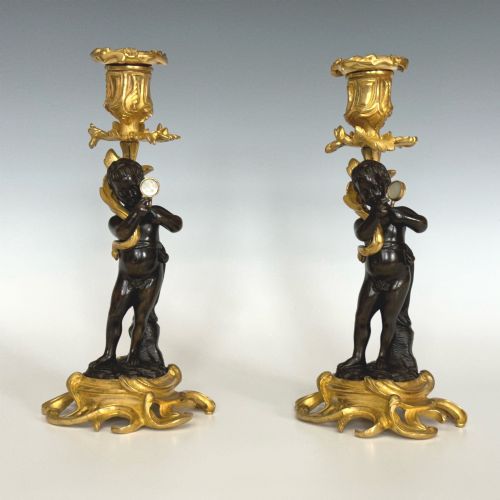
The most common versions met on this page are pairs of cast bronze or ormolu candlesticks and wall lights featuring cherubs holding branches, mounted on marble bases or fitted for electricity in later adaptations.
How they were made
Makers utilised lost-wax or sand-casting techniques to form the bronze and brass figures, finishing them with hand-chasing to sharpen the feather and facial details. Gilding, ormolu mercury plating and patination were applied to the metal surfaces to create contrasting tones of bright gold and dark brown.
Structural elements incorporated white or coloured marble plinths, cut glass crystal prisms and porcelain floral additions, held together with threaded metal rods and threaded screws.
Some cherubs hold light aloft with such determined expressions they appear ready to take flight off the marble base.
What varies in quality
Quality rests in the crispness of the metal chasing and the depth of the foundational casting, where sharper facial expressions and well-defined wing feathers separate superior examples from softer, worn production. The choice of materials dictates the tier, with heavy fire-gilded ormolu and solid patinated bronze sitting above lighter spelter and cast brass alternatives.
Proportion and architectural balance define the higher end of the range, particularly where figures integrate naturally with multi-branch sconces or heavy marble bases rather than appearing as awkward aftermarket attachments.
Francois Redmond·Aug. Moreau
The Cherub Bronze Light Glossary
- Ormolu
- A technique of applying finely ground high-carat gold amalgam to a bronze object, followed by firing to drive off the mercury. This produces a rich, durable golden finish characteristic of French luxury goods.
- Putto
- A plump, naked male child figure often depicted with wings, frequently referred to as a cherub in nineteenth-century lighting. These figures form the central sculptural motif of the search phrase.
- Candelabra
- A branched candlestick holder designed to support multiple candles simultaneously. Many surviving examples have been later converted to electricity while retaining their original branch structure.
- Spelter
- An alloy of zinc and lead used as a cheaper, softer alternative to bronze in nineteenth-century manufacturing. It accepts patination and gilding but lacks the weight and tensile strength of true bronze.
- Torchère
- A tall ornamental stand or lamp modelled to resemble a torch or a figure holding a light source. These pieces often feature winged figures supporting multiple candle arms or glass shades.
Cherub Bronze Light: Frequently Asked Questions
Are these lights wired for modern electricity?
Many pieces originating from the nineteenth century have undergone later rewiring to accommodate contemporary electrical standards, often retaining their original bulb holders or candle sleeves.
Buyers should inspect the internal wiring of each piece upon arrival to ensure compliance with local safety regulations.
How do I clean patinated bronze and ormolu?
Maintenance requires only gentle dusting with a soft, dry brush to prevent the accumulation of dirt within the crevices of the cast figures. Harsh chemical cleaners and metal polishes must be avoided entirely, as they strip away historical patination and gold mercury gilding.
What is the difference between bronze and spelter?
Bronze is a heavy, durable copper alloy that accepts fine chasing and holds crisp sculptural details over centuries of handling. Spelter is a softer zinc-based metal that feels lighter and shows a duller fracture when exposed.
Can missing crystal drops be replaced?
Chandeliers and sconces frequently incorporate cut glass crystal spikes or pendants that can be matched using period-appropriate salvaged components. Finding exact historical matches requires patience due to variations in glass tint and cutting styles across the nineteenth century.