





Chelsea Ceramic Figure
A chelsea ceramic figure brings the theatrical pastoralism and classical allegory of the Georgian and Victorian eras right onto the mantelpiece.
Chelsea Ceramic Figure
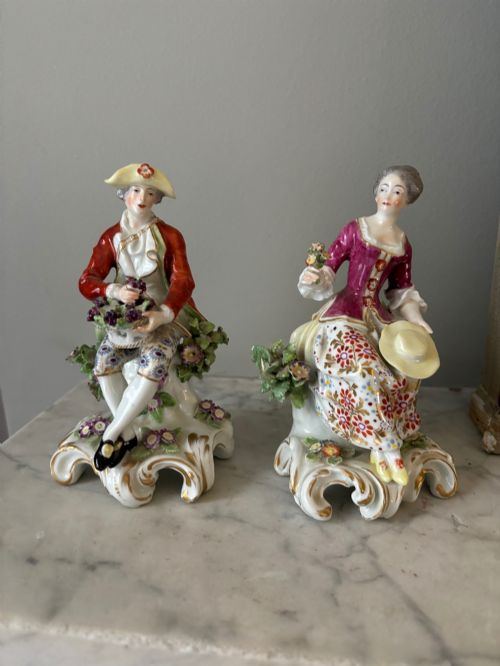
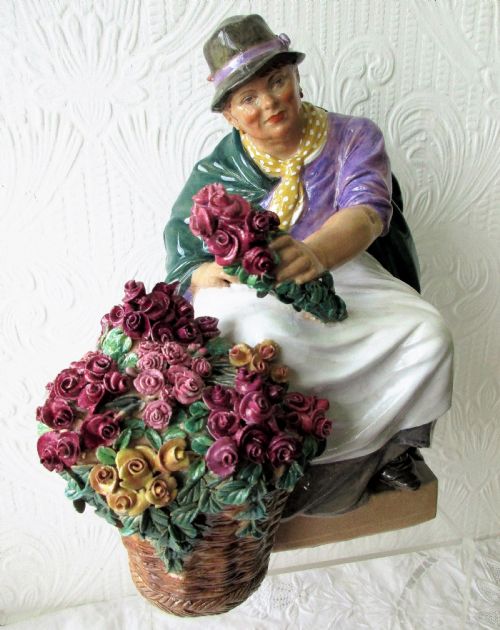
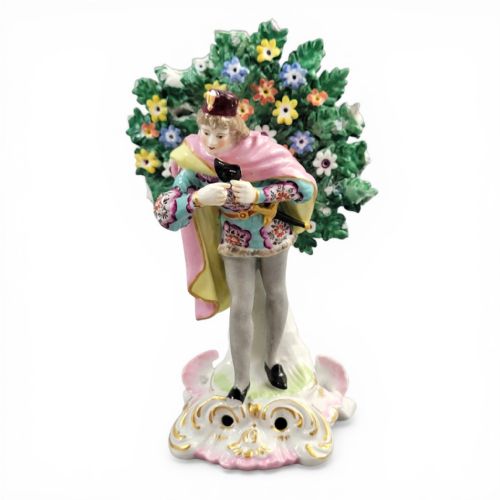
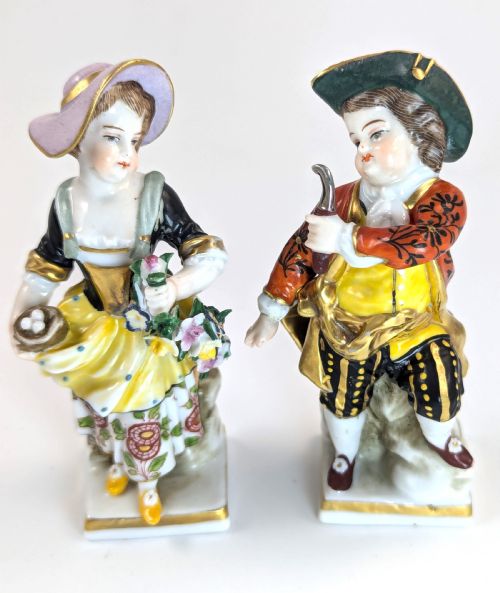
When you search for a chelsea ceramic figure, you are looking at modelled porcelain and earthenware that ranges from 18th-century originals bearing gold anchor marks to 19th-century revivals by Samson of Paris and studio pottery creations by Charles Vyse. These pieces depict mythological deities, allegorical figures symbolising continents, pastoral shepherds, and street vendors captured in spirited poses.
You are most likely to meet 19th-century Samson reproductions modelled in the Chelsea taste alongside genuine 18th-century Georgian figures and candlesticks. The selection bridges the gap between early porcelain factory output and later Parisian tributes, offering both historical examples and studio interpretations from the 1920s and 1930s.
How they were made
Makers shaped these pieces from paste and ceramic glaze, applying enamel colours by hand before a second firing to fix the palette. Gilding and gold leaf often highlight the rococo scrolls and bases.
Many 18th-century and revival pieces incorporate bocage work, building up intricate thickets of applied porcelain leaves and blossoms behind the central figures.
Chelsea Ceramic Figure Retail Price Guide 2026
Typical asking prices for chelsea ceramic figure among the pieces listed under this phrase on Sellingantiques today, from the lower quarter to the upper quarter. They describe what is for sale here now, not the wider market.
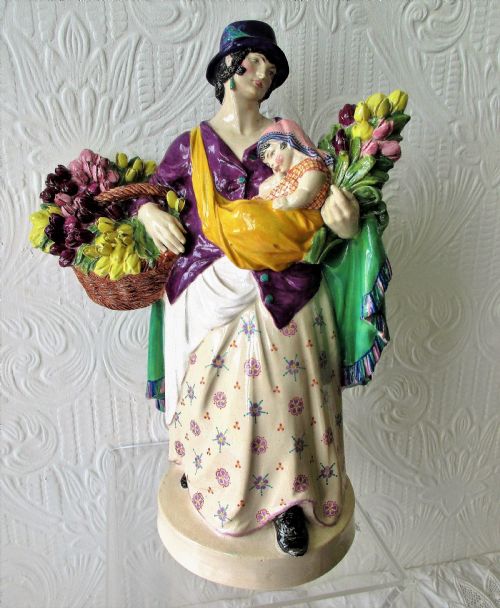
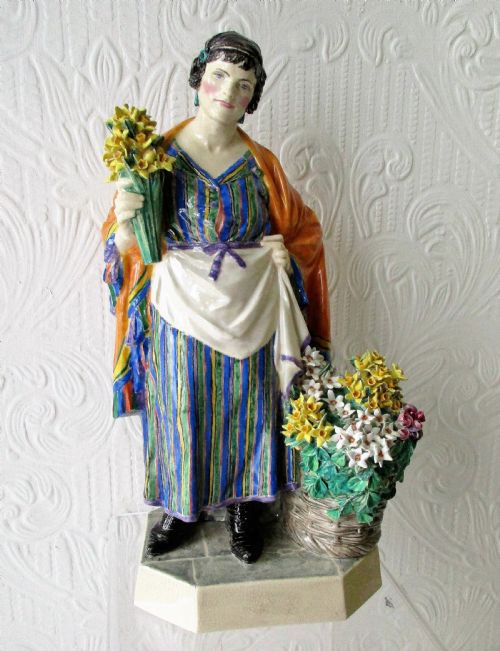
Several figures portray ladies selling garden blooms like tulips and daffodils, bringing the London street life of the 1920s straight onto the porcelain shelf.
What varies in quality
The sophistication of the glaze and the precision of the gilding dictate the visual weight of the piece. Subtle polychrome painting elevates a figure above standard mass-produced output.
Charles Vyse·Edme Sampsom·Samson of Paris
The Chelsea Ceramic Figure Glossary
- Bocage
- An applied background of porcelain foliage and flowers framing a figure. It is characteristic of mid-18th-century English and continental porcelain.
- Gold anchor mark
- A small painted symbol used by the Chelsea factory during its late period. It denotes high-quality wares produced between the late 1750s and 1769.
- Enamel
- A vitreous composition fused to the surface of fired porcelain to provide colour. It sits slightly raised above the clear glaze.
- Paste
- The ceramic body of the figure, which can be hard-paste, soft-paste, or later earthenware. It forms the structural foundation of the sculpture.
- Rococo revival
- A 19th-century design movement that imitated the asymmetry and scrollwork of the 18th century. It heavily influenced Parisian makers copying earlier Chelsea models.
Chelsea Ceramic Figure: Frequently Asked Questions
What is a gold anchor mark?
The gold anchor mark is a small painted emblem applied to the porcelain base during the later years of the original factory. It signals the peak period of sculptural ambition and rich gilding.
Later revival makers sometimes replicated these marks, so collectors examine the paste and painting technique alongside the symbol to determine authenticity.
How do I spot a Samson copy?
Samson of Paris produced extensive tributes to earlier factory models during the 19th century. They utilised porcelain bodies and enamel palettes that often feel slightly heavier or brighter than genuine 18th-century pieces.
Inspect the modelling of the hands and the execution of the bocage background, as Parisian artisans approached these details with a distinct 19th-century hand.
What are bocage figures?
Bocage figures feature a dense background of applied porcelain leaves and blossoms encircling the main subject. This technique was immensely popular in the 18th century to create a naturalistic garden setting.
Because the foliage is built from delicate separate elements, surviving examples often show minor historical restorations to the leaves.
How were these figures used?
These pieces served as decorative table ornaments and mantel displays designed to showcase the owner's cultivation and taste. Some functional variants doubled as candlesticks, illuminating dining rooms and parlours.
They brought classical mythology and pastoral charm into domestic interiors during both the Georgian and Victorian eras.