





Charcoal on Paper
Charcoal on paper captures direct marks from the hand, offering intimate portraits and atmospheric landscapes spanning multiple centuries.
Charcoal on Paper
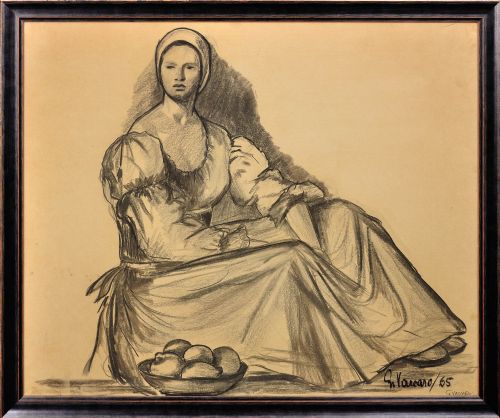
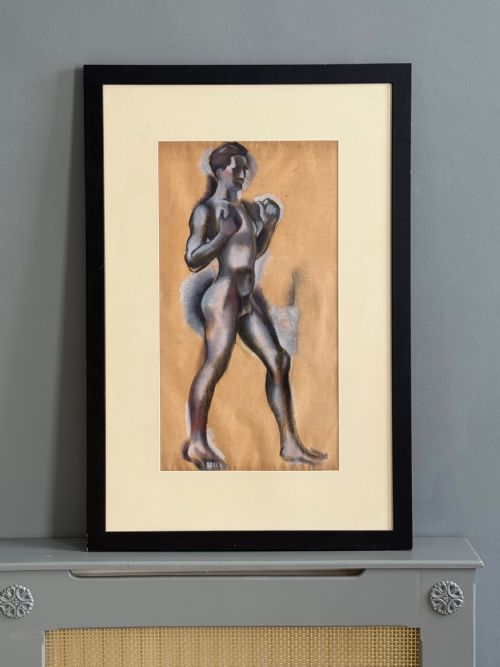
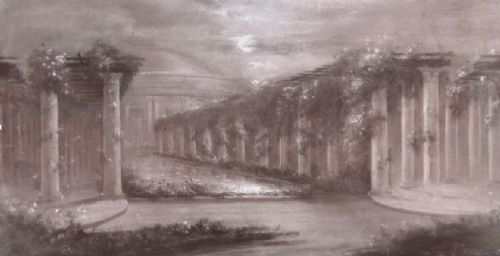
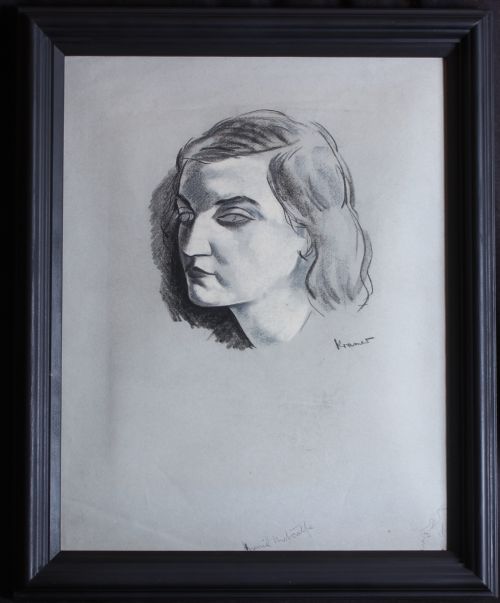
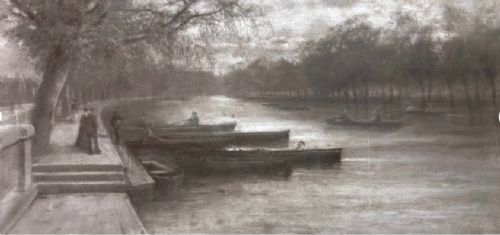
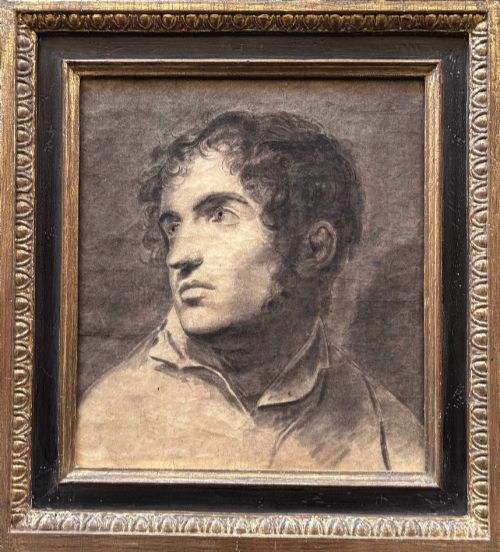
When searching for charcoal on paper, collectors look at original framed drawings, academic life studies, and finished portraiture spanning from the eighteenth century through to the mid-twentieth century. The selection ranges from strict academic realism and neoclassical figures to early twentieth century British landscapes and avant-garde cubist compositions.
Most pieces encountered here are nineteenth-century life studies and twentieth-century portraits executed on various prepared or toned papers. These works include both anonymous studio exercises and signed pieces by noted artists, often supported by glass and wood framing.
Materials and working methods
Artists utilise compressed or vine charcoal combined with graphite, chalk, and pastel on paper, sometimes attaching the primary sheet to canvas stretchers for stability. Touches of watercolour or ink occasionally supplement the monochrome palette.
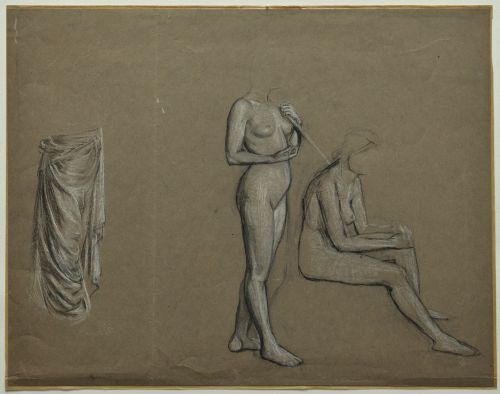
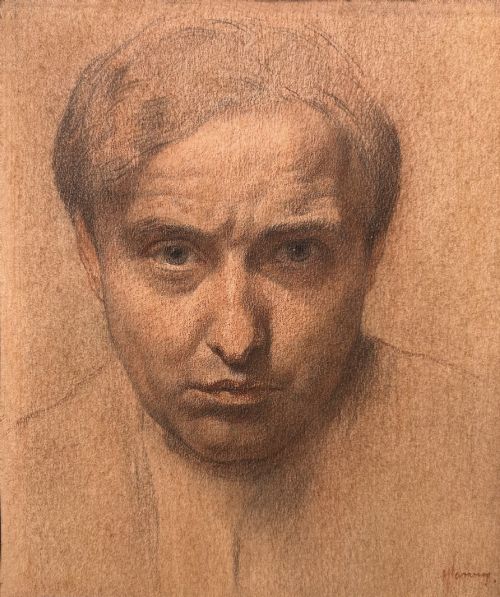
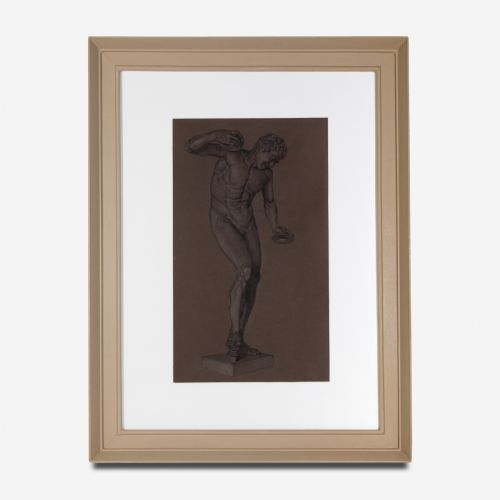
Draftsmen employ toned paper to build highlights with white chalk alongside dark charcoal strokes, creating depth and tonal contrast. Many works rely on the absorbent texture of the paper to hold powdery pigment without excessive fixative.
Charcoal on Paper Retail Price Guide 2026
Typical asking prices for charcoal on paper among the pieces listed under this phrase on Sellingantiques today, from the lower quarter to the upper quarter. They describe what is for sale here now, not the wider market.
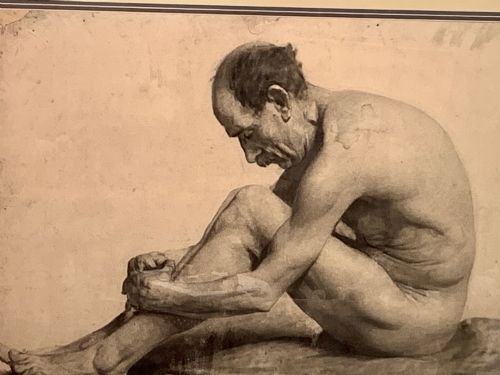
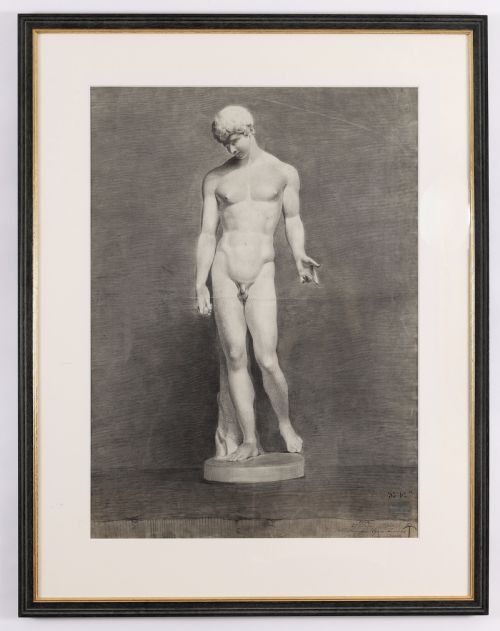
Several life studies preserve the quiet intensity of nineteenth-century art school basements where models held demanding poses for hours.
Distinctions in execution
The distinction between ordinary and superior works rests upon anatomical precision, compositional confidence, and the expressive handling of shadow. Masterful drawings demonstrate swift, assured marks that define form without hesitation.
Provenance and attribution elevate certain pieces, particularly when a drawing connects to a recognised academic tradition or a listed artist. The preservation of the fragile medium under glass, free from heavy fading or foxing, preserves the integrity of the original stroke.
Jacob Kramer·Samuel Rabin·Henry Arthur Roberts·Winifred Eugene Ballard·John Hoppner·John Macallan Swan
The Charcoal on Paper Glossary
- Charcoal on paper
- A drawing medium utilising carbonized wood applied to cellulose sheets. This combination produces deep blacks and subtle gradients suited to rapid sketching and finished studies.
- Academic life study
- A detailed drawing of a human model produced within an art school or studio setting. These exercises test an artist's grasp of proportion and light.
- Toned paper
- Tinted drawing paper that provides a mid-value background. This allows the artist to work simultaneously towards dark shadows and white highlights.
- Deux crayon
- A drawing technique employing two contrasting chalk or charcoal colours, typically black and white or red and black, on tinted paper.
Charcoal on Paper: Frequently Asked Questions
How should I hang drawings on paper?
Keep works away from direct sunlight to prevent the charcoal and paper from fading over time. UV-filtering glass provides essential protection against light damage.
Ensure rooms maintain stable humidity levels to protect both the paper support and the antique wooden frames. Professional framing using acid-free mounts prevents discolouration around the edges of the sheet.
What is an academic life study?
Academic life studies are rigorous drawings of nude or draped models produced in art academies as training exercises. Artists used these sessions to master human anatomy and tonal gradation.
These pieces often bear the marks of intensive study, capturing the muscular structure and posture of the model with careful precision.
How do I identify the period of a drawing?
Look closely at the paper type, framing style, and stylistic conventions used in the composition. Eighteenth- and nineteenth-century works often feature laid paper and hand-carved frames.
Signatures, collector stamps, and inscriptions on the reverse offer further clues to the date of execution. Stylistic influences, such as neoclassical restraint or modern British tonality, align drawings with specific eras.
Are these works original or reproductions?
Every piece listed is an original unique drawing created by hand rather than a mechanical print. Close inspection reveals the physical texture of charcoal dust and paper grain.
Examining the surface under magnification shows individual strokes and smumged lines unique to manual mark-making. Such evidence confirms the direct involvement of the artist's hand.