



Ceramic Whippet Figurine
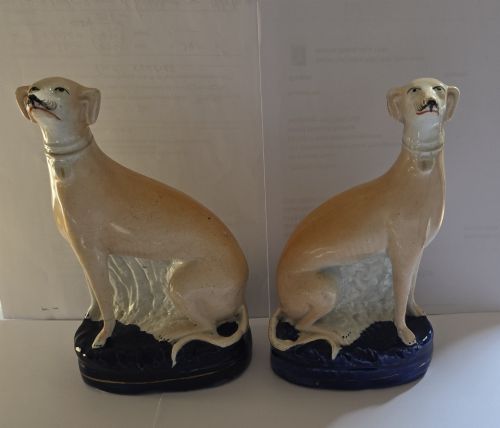
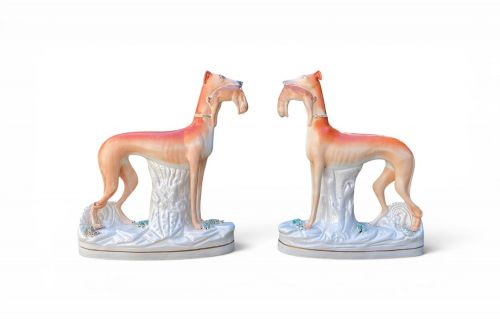
A ceramic whippet figurine captures the sleek silhouette of the hound in earthenware and porcelain, offering timeless charm for any mantelpiece.
Ceramic Whippet Figurine
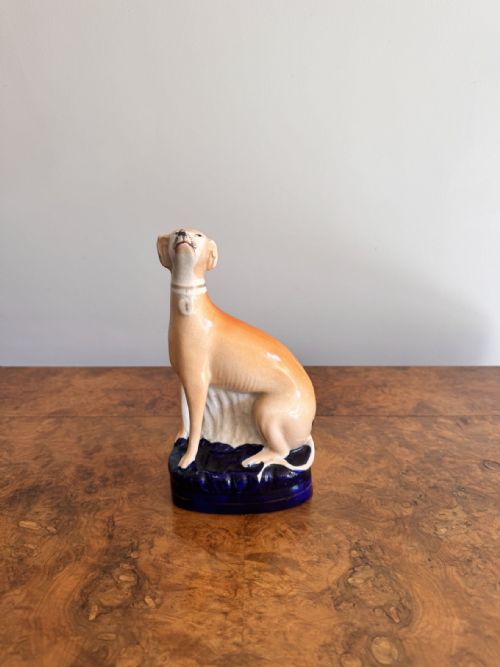
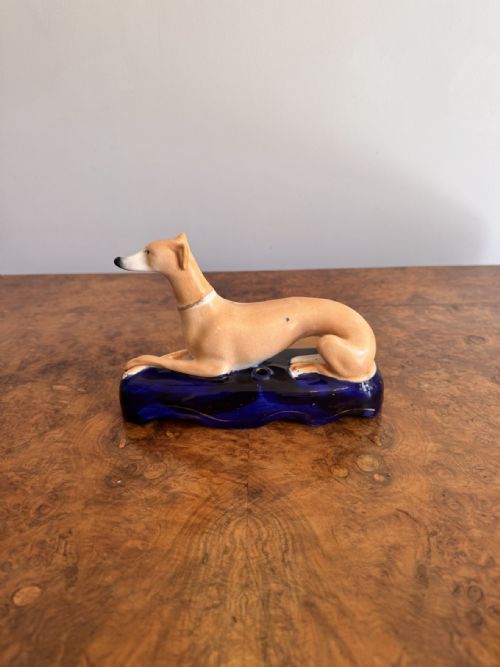
The objects span Victorian iterations alongside later early twentieth-century examples such as Italian majolica and porcelain figures. Many serve as decorative ornaments, while specific models double as practical desk accessories like quill holders.
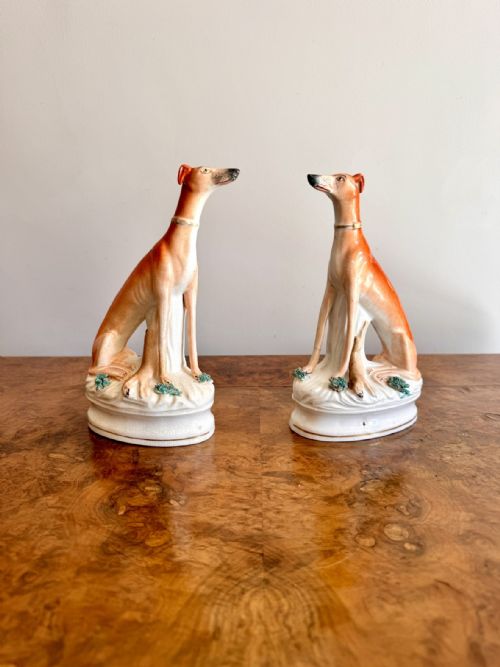
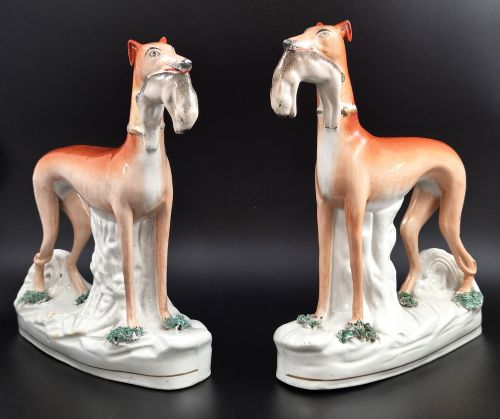
Staffordshire pottery dominates the available selection, often presenting greyhounds and whippets with characteristic spaniel-like facial expressions and textured coats. Victorian country pottery and continental porcelain broaden the range of these sculptural hounds.
Materials and construction methods
Potters shaped these hounds using earthenware and porcelain bodies, applying lead glaze or enamel paint for surface colour and sheen. Gold leaf accents sometimes highlight collars and bases on select nineteenth-century models.
Ceramic Whippet Figurine Retail Price Guide 2026
Typical asking prices for ceramic whippet figurine among the pieces listed under this phrase on Sellingantiques today, from the lower quarter to the upper quarter. They describe what is for sale here now, not the wider market.
Listings feature Victorian earthenware alongside twentieth-century porcelain and Italian majolica.
Factors influencing quality
The crispness of the moulding and the delicacy of the enamel painting determine the visual success of each hound. Softer details on secondary earthenware bodies contrast with the precise definition found on finer porcelain examples.
Matched pairs command greater attention than single figures, especially when both animals retain their original painted surfaces and gilded highlights. Larger dimensions and functional elements like integrated quill holders elevate the desirability of the piece.
Thomas Parr·Rosenthal
The Ceramic Whippet Figurine Glossary
- Earthenware
- Porous pottery fired at lower temperatures, commonly used for nineteenth-century Staffordshire figures. It requires a glaze to become impermeable to liquids.
- Lead glaze
- A glossy coating containing lead oxide applied to pottery before firing. It gives early ceramic figures their characteristic shiny surface.
- Staffordshire pottery
- Ceramics produced in the English county of Staffordshire, renowned for animal figurines and decorative ornaments. These pieces often feature hand-painted details over moulded earthenware.
- Majolica
- Tin-glazed earthenware decorated with opaque coloured glazes, popular in Italian Renaissance revival styles. It provides vibrant colouration to sculptural animal figures.
Ceramic Whippet Figurine: Frequently Asked Questions
How do I identify Victorian pieces?
Victorian figures typically employ earthenware bodies with lead glazes and hand-painted enamel details. They frequently depict seated hounds accompanied by captured hares at their feet.
Examination of the underside and crazing within the glaze helps confirm nineteenth-century production. Stylistic conventions of the period also inform the dating of these Staffordshire animals.
Were these figures used for anything?
Most ceramic whippet figures functioned purely as decorative ornaments for the home. Their primary role was to display taste and an affinity for hunting hounds.
Certain specialised models included inkwells or quill holders, combining sculptural art with desk utility. Pairs were often arranged symmetrically on drawing room mantelpieces.
How should I clean my figurine?
Dust the glazed ceramic surface gently with a soft, dry brush to prevent the accumulation of dirt. Avoid using harsh chemical cleaners or abrasive cloths that might damage the enamel paint.
Keep porcelain and earthenware figures away from direct sunlight to preserve the original colours. Handle older pieces carefully by the base rather than projecting parts like ears or legs.