


Ceramic Vanity Bowl
These ceramic vanity bowl examples span washstand sets and powder boxes, offering practical dressing table charm.
Ceramic Vanity Bowl
A ceramic vanity bowl encompasses both large washstand vessels from the Victorian and Edwardian eras and smaller powder boxes from the Art Deco period. Buyers seeking a ceramic vanity bowl encounter utilitarian wash basins alongside dressing table jars designed for cosmetics.
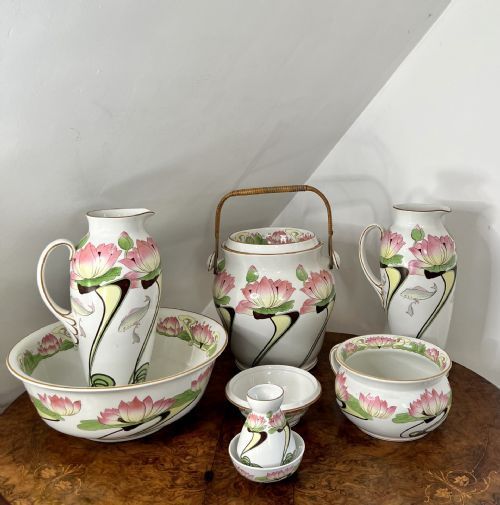
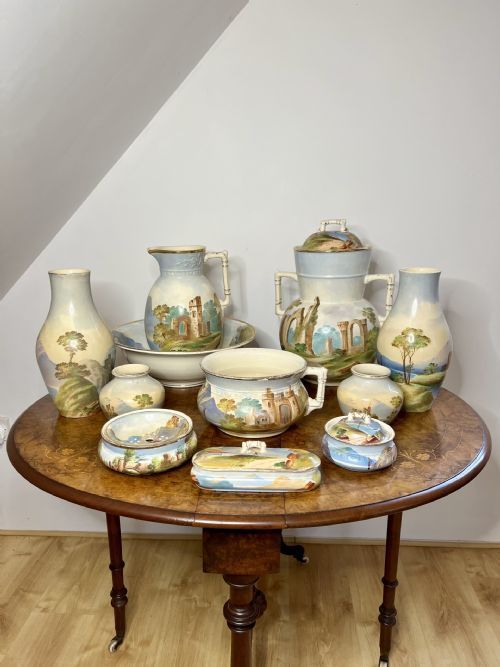
The earlier pieces take the form of wash sets and bathroom basins intended for the washstand, often paired with matching jugs. By the nineteen thirties, the form shifts towards porcelain powder bowls, trinket boxes, and figural jars associated with the dressing table.
Origins span British production alongside continental European workshops from France, Germany, and Austria. These pieces reflect changing domestic habits across the nineteenth and twentieth centuries, moving from personal hygiene to cosmetics.
Materials and methods of production
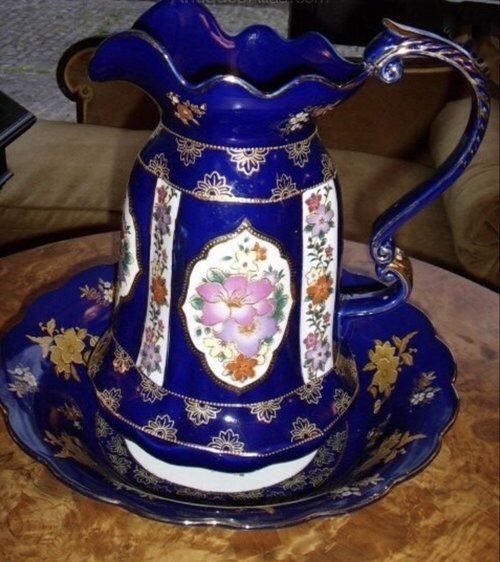
Makers utilised earthenware and porcelain as the primary ceramic bodies for these pieces. Glazes provided a durable surface finish, sometimes enhanced with cobalt blue or metallic gilding.
Decoration techniques included applied flower designs and figural mouldings such as bathing belles and half doll flapper figures. French and German factories employed specialist painting and moulding methods to shape these vanity items.
Materials recorded across the inventory include earthenware, porcelain, cobalt glaze, and gold leaf.
Distinctions in manufacture and finish
Quality rests on the crispness of the moulding in figural powder boxes and the precision of the hand-painted decoration on porcelain surfaces. Better examples maintain clean glaze applications and sharp detail in modelled figures like jesters and pierrots.
The complexity of the set design influences distinction, particularly in multi-piece wash sets compared to single vanity jars. Finer pieces demonstrate superior control during kiln firing and more elaborate decorative schemes involving gold leaf.
mark Jones & Sons·Limoges
The Ceramic Vanity Bowl Glossary
- Washstand set
- A matching group of ceramic vessels designed for personal washing before indoor plumbing became universal. These typically include a large basin and a water jug.
- Powder box
- A small lidded container used on a dressing table for loose cosmetic powder. These often feature decorative figures on the lid.
- Half doll
- A ceramic figure modelled from the waist up, frequently used as the upper portion of a powder box or brush handle. This form gained popularity during the early twentieth century.
- Cobalt glaze
- A deep blue metallic oxide colouring applied under or over the glaze before firing. It creates a vivid and durable finish on porcelain.
Ceramic Vanity Bowl: Frequently Asked Questions
What is a ceramic vanity bowl?
A ceramic vanity bowl refers to both large wash basin sets used on nineteenth-century washstands and smaller powder boxes designed for twentieth-century dressing tables.
These items range from utilitarian bathroom pieces to decorative porcelain jars made for cosmetics and trinkets.
How were wash sets used?
Victorian and Edwardian wash sets sat upon wooden washstands to hold water for morning and evening washing before plumbed bathrooms were common.
The large bowl caught water poured from the matching jug during personal hygiene routines.
How do I date these pieces?
Dating relies on stylistic markers and materials, with nineteenth-century pieces showing Victorian or Edwardian floral designs and twentieth-century items reflecting Art Deco geometry.
Figural powder boxes with flapper girls or half dolls point specifically to the nineteen thirties.
Where were powder boxes made?
Continental European potteries in France, Germany, and Austria produced many of the porcelain powder boxes found in these collections.
French manufacturers such as Limoges created notable examples alongside German figural pieces.