



Ceramic Stoneware Jar
A ceramic stoneware jar brings robust utility and earthy texture to a room, offering a durable vessel shaped for storage or display.
Ceramic Stoneware Jar
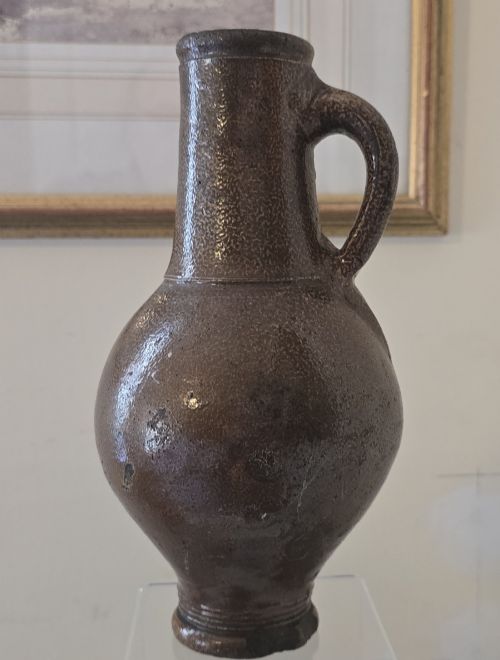
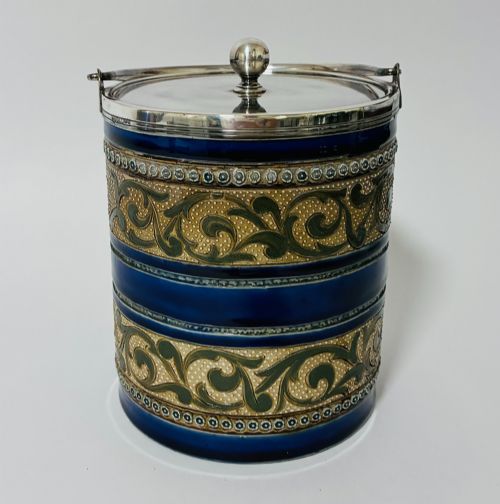
When you search for a ceramic stoneware jar, you encounter heavy-duty utility vessels and decorative containers spanning multiple centuries. These pieces encompass utilitarian storage jars, biscuit barrels, spirit barrels, and confit pots intended for practical use or display.
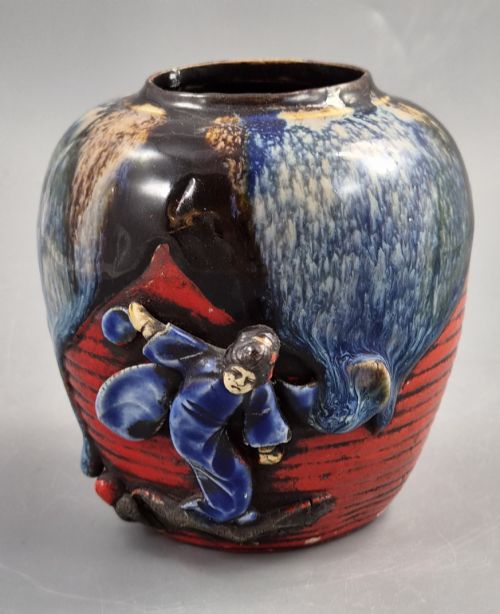
You will find specialised items such as salt-glazed jugs, apothecary jars, and tobacco jars sitting alongside Chinese vases and Japanese studio pieces. Each form reflects the specific domestic, trade, or decorative demands of its period.
Materials and construction
These vessels are built from dense ceramic bodies including stoneware, earthenware, and terracotta, often finished with specialised salt glazes, tea dust glazes, or rich green lead glazes. The vitrified nature of stoneware provides natural impermeability, making it suited for holding liquids and provisions.
Many items incorporate applied sprigged decoration, moulded relief work, or hand-thrown forms requiring precise kiln firing at high temperatures. Metal mounts in silver plate and brass occasionally appear on Victorian biscuit barrels and tobacco jars, adding structural refinement to the ceramic body.
Ceramic Stoneware Jar Retail Price Guide 2026
Typical asking prices for ceramic stoneware jar among the pieces listed under this phrase on Sellingantiques today, from the lower quarter to the upper quarter. They describe what is for sale here now, not the wider market.
Materials represented include traditional salt glaze, terracotta, earthenware, and fine ceramic bodies augmented by silver plate and brass hardware.
Assessing quality and execution
Quality rests in the crispness of the moulded or sprigged details, the evenness of the glaze application, and the structural integrity of the heavy ceramic body. Superior pieces demonstrate confident potting, stable glaze reactions, and well-preserved decorative surfaces without distracting kiln flaws.
The hand of the maker dictates the upper tier of the range, visible in artist-signed studio pottery, precise factory execution from prominent potteries, or finely articulated antique Chinese and Japanese forms. The balance between utilitarian strength and aesthetic refinement separates standard kitchenware from exhibition-grade works.
Doulton Lambeth·Royal Doulton·Wedgwood·Makuzu Kozan II·L Lumley
The Ceramic Stoneware Jar Glossary
- Stoneware
- A robust, vitrified ceramic fired at high temperatures until semi-vitreous and impermeable to liquids. This dense material resists moisture even without interior glazing.
- Salt glaze
- A glassy, textured finish created by throwing common salt into the kiln at peak temperature. The sodium reacts with the silica in the clay body to form an orange-peel texture.
- Confit pot
- A traditional French earthenware or terracotta storage vessel featuring a glazed upper section and unglazed lower body. These were originally used for preserving meats and provisions in fat.
- Biscuit barrel
- A covered ceramic container designed for storing dry biscuits or crackers on the Victorian dining table. They frequently incorporate metal hinged lids and swing handles.
- Sprigged decoration
- Moulded low-relief clay motifs applied directly to the surface of an unfired vessel before glazing. This technique creates sharp contrast against contrasting body colours.
Ceramic Stoneware Jar: Frequently Asked Questions
What were ceramic stoneware jars used for?
These robust vessels served primarily for storing provisions, liquids, and household goods in domestic or commercial settings. Confit pots held preserved meats, while specialised containers stored spirits, vinegar, tea, and tobacco.
Over time, many of these utilitarian containers transitioned into decorative objects or were adapted for alternative uses such as table lamps and umbrella stands.
How do I date an antique stoneware jar?
Dating relies on examining the manufacturing technique, glaze type, factory marks, and stylistic indicators such as Victorian sprigging or Qing dynasty forms. Heavier salt-glazed vessels from the eighteenth and nineteenth centuries often display distinct potting marks and wear patterns.
Comparing the base, handle attachments, and any stamped maker names against known production periods helps narrow down the exact decade of manufacture.
How do I care for antique stoneware?
Clean antique ceramic and stoneware gently using lukewarm water and a soft cloth, avoiding harsh chemical detergents that can penetrate porous earthenware bodies or damage historic glazes. Keep pieces away from rapid temperature fluctuations to protect the aged ceramic structure.
Display items on stable surfaces where heavy stoneware or terracotta bodies are fully supported without risk of tipping.
What is the difference between stoneware and earthenware?
Stoneware is fired at higher temperatures until the clay vitrifies, making it completely non-porous and exceptionally durable without requiring a complete interior glaze. Earthenware is fired at lower temperatures, resulting in a more porous, softer body that absorbs moisture unless heavily glazed.
Confit pots and early kitchen vessels are often earthenware, whereas heavy storage jars and spirit barrels typically utilise dense stoneware.