



Ceramic Relief Art
Ceramic relief art brings three-dimensional modelling to pottery and plaques, offering tactile depth through raised figures and ornament.
Ceramic Relief Art
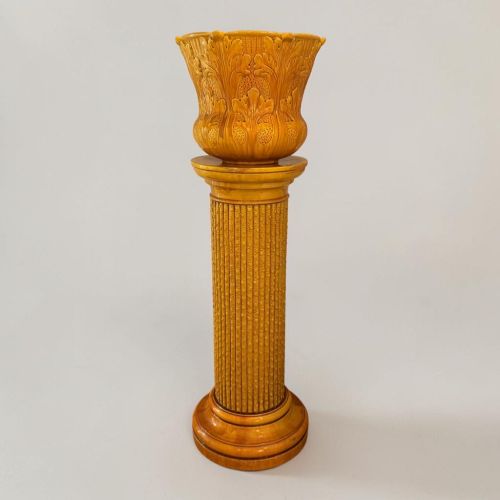
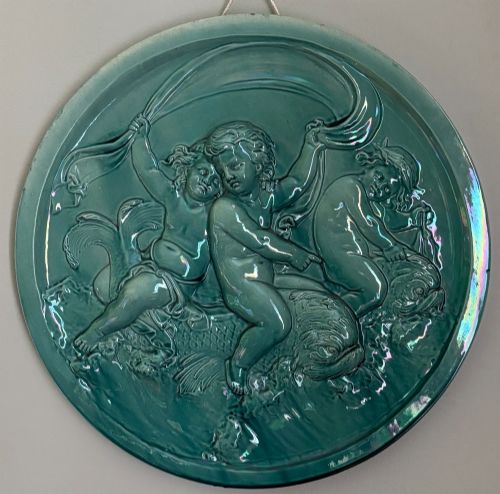
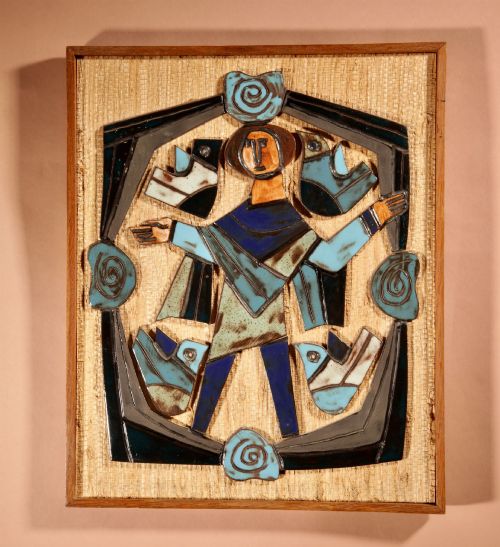
Ceramic relief art encompasses vases, wall plaques, jugs, and tiles originating from the nineteenth and early twentieth centuries, spanning periods from the Victorian era through to Art Deco.
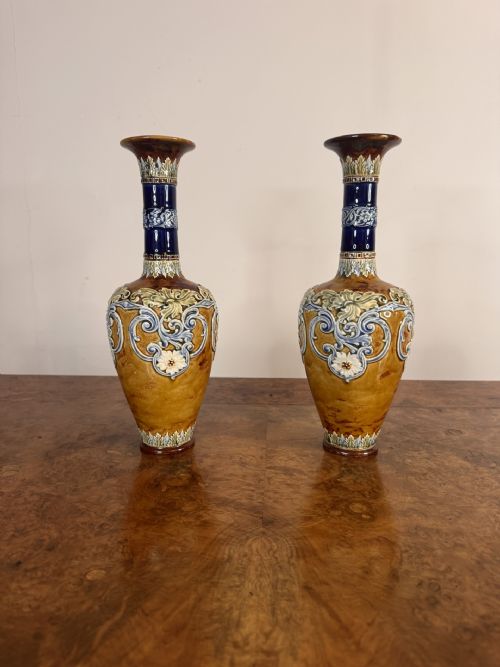
Buyers seeking ceramic relief art encounter diverse forms such as stoneware jugs, earthenware plaques, and porcelain vases decorated with raised motifs.
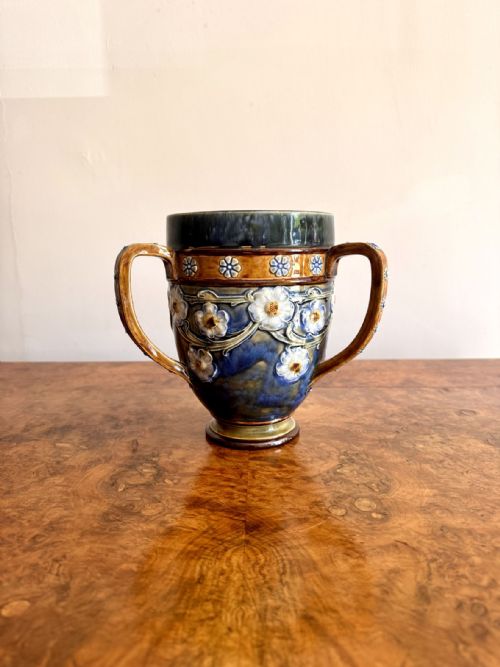
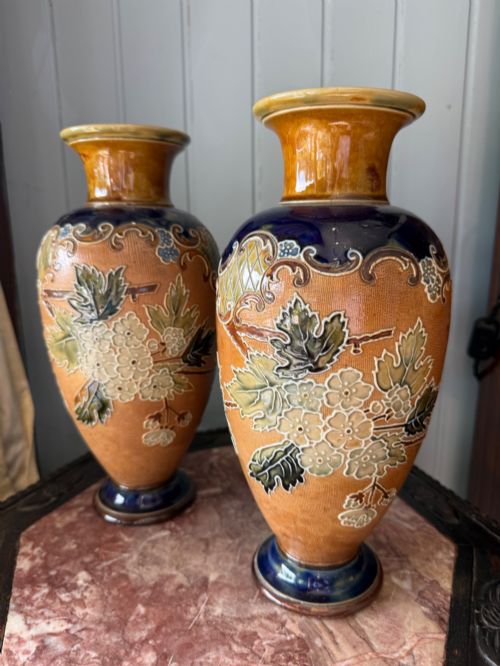
The objects derive from British potteries like Doulton Lambeth and Burmantofts, alongside continental European makers and Japanese workshops.
Materials and construction
Potters utilised earthenware, stoneware, terracotta, and porcelain as bodies, shaping them into vessels and flat wall plaques.
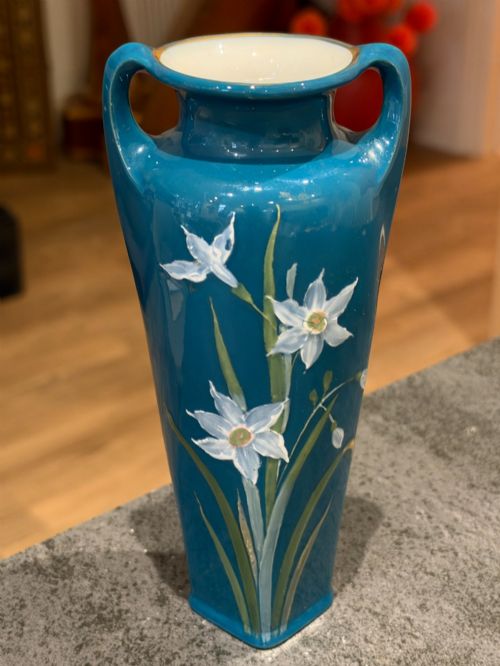
Surface texture relies on glazes, enamel, and specialised techniques like pâtesur-pâte to build up raised pictorial elements against the background.
Ceramic Relief Art Retail Price Guide 2026
Typical asking prices for ceramic relief art among the pieces listed under this phrase on Sellingantiques today, from the lower quarter to the upper quarter. They describe what is for sale here now, not the wider market.
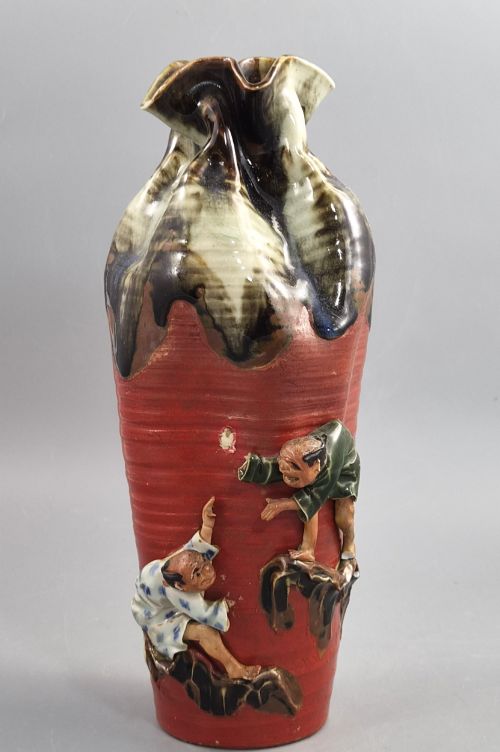
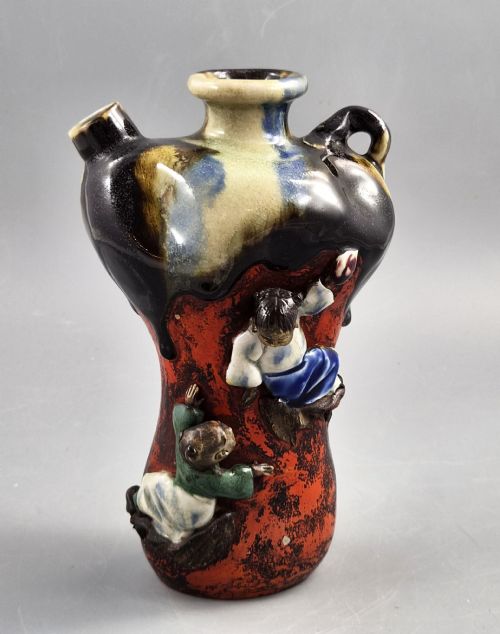
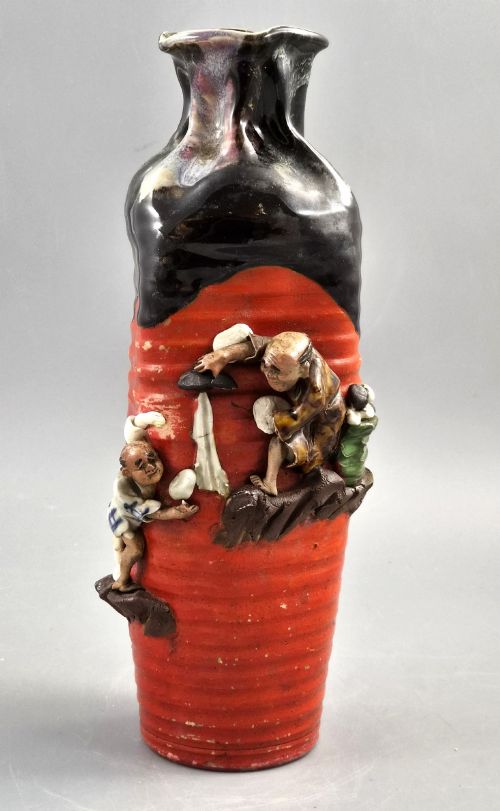
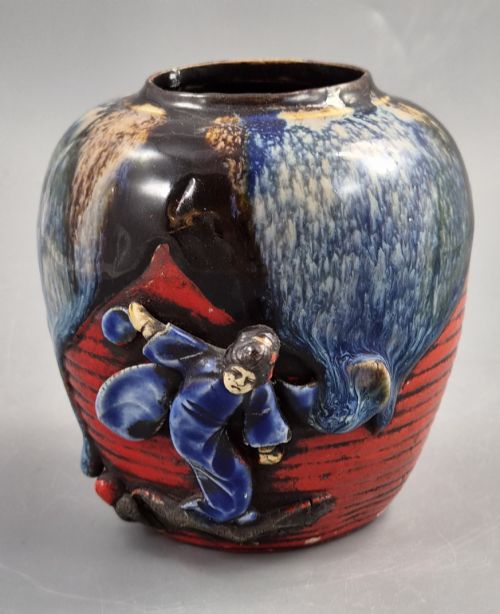
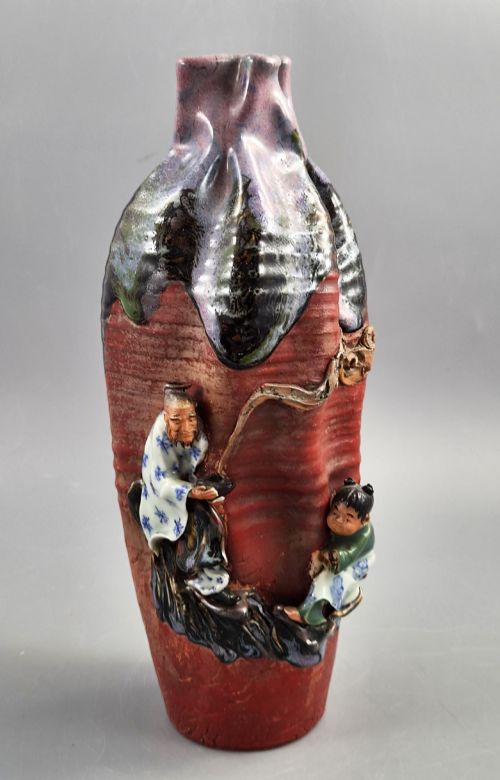
Several climbing figures scale the sides of Japanese Sumida Gawa vases, seemingly determined to reach the rim.
Assessing quality
Distinction in quality rests upon the crispness of the modelling and the control of the glaze over the raised surfaces.
Pieces from established potteries display superior definition in applied figures and greater harmony in colour application.
Royal Doulton·Inoue Ryosai·Sherwin And Cotton·Doulton Lambeth·Clement Messier·Emma Shute·Gilbert Privat·Reginald Robert Tomlinson·Hans Henrik Hansen·Mougin·Makuzu Kozan·Burmantofts Faience·Royal Dux Bohemia·Paul Dachsel·Eichwald·Minton
The Ceramic Relief Art Glossary
- Relief
- Ornamentation that projects from a flat background. This technique gives ceramic surfaces a tactile, sculptural dimension.
- Pâte-sur-pâte
- A method where liquid clay is painted in successive layers onto a body to create a cameo-like relief. The technique requires considerable skill from the artist.
- Stoneware
- A hard, dense pottery fired at high temperatures. It resists moisture and holds fine detail well.
- Majolica
- Earthenware decorated with colourful opaque glazes over a tin-based enamel. It produces vibrant, glossy surfaces.
Ceramic Relief Art: Frequently Asked Questions
What is ceramic relief art?
Ceramic relief art comprises pottery and plaques featuring raised sculptural elements rather than flat painted surfaces.
Examples include tiles, vases, and wall art from the Victorian, Edwardian, and Art Deco periods.
How were relief designs created?
Potters built up raised designs using applied clay motifs, specialised slip techniques, or by carving the background away.
Glazes were then applied to highlight the contours and depth of the modelled figures.
Where were these pieces made?
Production centres spanned Britain, continental Europe, and Japan during the nineteenth and early twentieth centuries.
Notable styles emerged from British art potteries, French studios, and Japanese workshops.
How do I display plaques?
Wall plaques and framed tiles require secure wall fixings suited to the weight of dense earthenware or stoneware bodies.
Placement should avoid direct moisture and extreme temperature fluctuations to protect the glaze.