




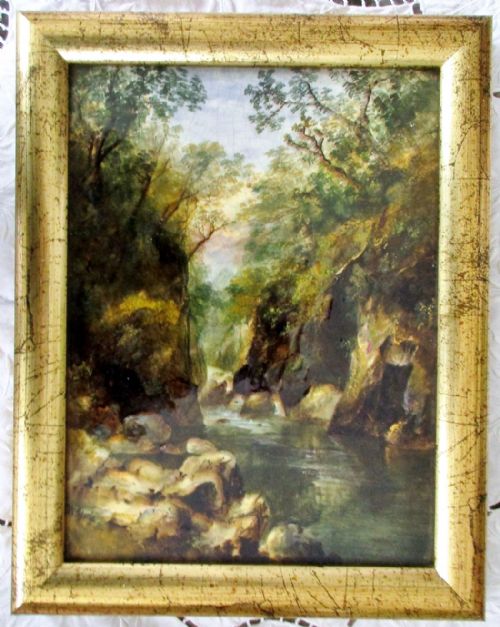
Ceramic Picture Plaque
A ceramic picture plaque brings fine art into miniature form, offering rich painted detail and lasting glaze that draws the eye on any wall.
Ceramic Picture Plaque
A ceramic picture plaque acts as a portable canvas, capturing detailed portraits, landscapes, and still-life scenes fired directly onto porcelain, faience, or earthenware. These decorative wall pieces range from small oval formats set within elaborate ormolu frames to large framed panels designed to command attention.
Buyers browsing this selection encounter items spanning several periods, from early eighteenth-century Limoges enamel works to nineteenth-century productions by Berlin KPM and Royal Worcester. The stylistic vocabulary draws heavily from French Baroque, Victorian, and neoclassical traditions, often translating grand oil paintings into delicate ceramic mediums.
Most examples function primarily as wall art, though some pieces rest on stands or take the form of original painted tiles. The integration of giltwood frames and copper supports further expands the physical presence of these objects in a domestic interior.
Materials and construction methods
The foundation of these works relies on fine porcelain, earthenware, or faience panels that provide a smooth, stable ground for miniature painting. Artisans applied vitreous pigments by hand, firing the panels repeatedly to fuse the colours permanently into the glossy glaze.
Many plaques incorporate mixed media elements, pairing the ceramic panel with copper for enamel work, or housing the porcelain within carved giltwood, wood, and glass frames. Signature ormolu mounts frequently provide structural borders and hanging loops for heavy Victorian and Edwardian pieces.
Ceramic Picture Plaque Retail Price Guide 2026
Typical asking prices for ceramic picture plaque among the pieces listed under this phrase on Sellingantiques today, from the lower quarter to the upper quarter. They describe what is for sale here now, not the wider market.
Materials in this category span porcelain, enamel, faience, and earthenware, often paired with glass, copper, and giltwood.
Assessing quality and execution
The distinction between standard items and superior works rests on the precision of the hand-painted detail and the fidelity of the composition. Master painters working for major factories achieved remarkable depth in flesh tones, drapery, and botanical subjects.
The quality of the secondary materials - such as heavy cast ormolu frames, original giltwood surrounds, and documented artist signatures - substantially elevates the standing of an individual plaque. Factory marks from Berlin KPM, Sevres, or Royal Worcester provide tangible evidence of high-tier production.
Royal Worcester·KPM·Stinton·C. Ravier·H. Desprez·William Rayworth
The Ceramic Picture Plaque Glossary
- Faience
- Tin-glazed earthenware originating from European traditions, offering an opaque white surface suitable for painted decoration. It provides a distinct matte or soft-gloss finish compared to hard-paste porcelain.
- Limoges enamel
- Glassy pigments fused to a metal base, typically copper, through high-temperature firing. This technique produces rich, luminous colour fields and intricate miniature details.
- Ormolu
- Gilded bronze mounted as decorative framing or hardware around porcelain panels. It adds architectural weight and decorative flourish to nineteenth-century display pieces.
- Porcelain plaque
- A flat ceramic tablet fired at high temperatures to vitrify the body, serving as a durable substrate for fine art paintings. These panels were frequently framed for wall display.
Ceramic Picture Plaque: Frequently Asked Questions
What are ceramic picture plaques?
These items are hand-painted works of art created using ceramic, porcelain, or enamel panels as the primary canvas. Artisans fired mineral pigments directly onto the surface to ensure permanent colour and fine detail.
They bridge the gap between fine painting and decorative ceramics, functioning primarily as framed wall art or decorative tabletop display items.
Are these plaques signed by artists?
Many higher-quality nineteenth- and twentieth-century examples feature painted artist signatures or factory cyphers on the front or reverse of the ceramic panel. Signatures from established painters add historical context and document the origin of the piece.
Unsigned pieces remain common, particularly among anonymous factory productions and decorative tile works from the Victorian period.
What frames typically accompany these pieces?
A wide variety of surrounds appear across the selection, ranging from elaborate neoclassical ormolu mounts to carved giltwood frames and simple wooden borders. Some delicate pieces also sit within glass-fronted shadow boxes or rest upon dedicated stands.
The frame often reflects the period of manufacture, with Victorian and Edwardian examples favouring ornate metalwork or heavy gilt moulding.