





Ceramic Guardian Statues
Ceramic guardian statues stand as protective figures across cultures, bringing centuries of sculptural tradition and symbolic presence into your home.
Ceramic Guardian Statues
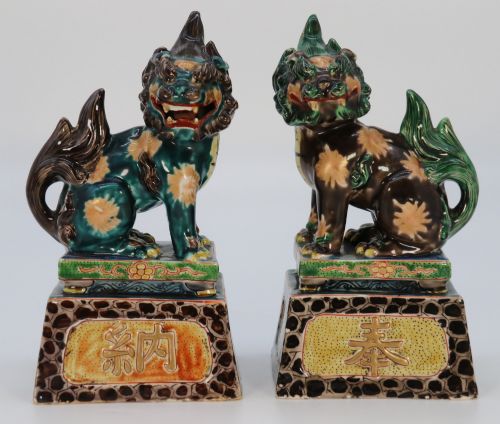
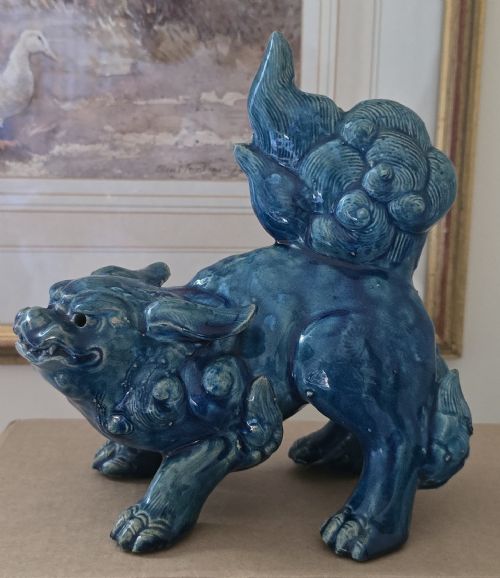
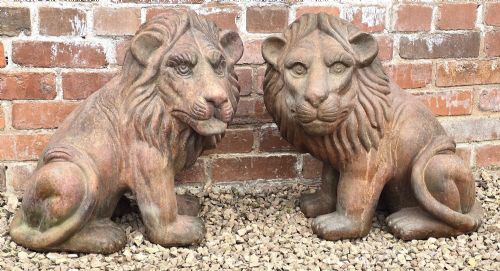
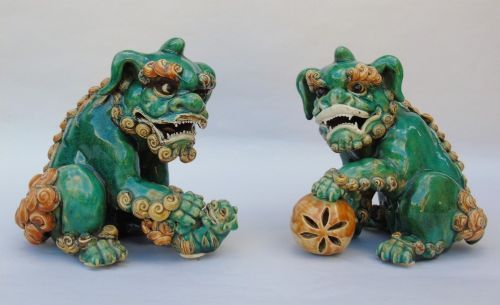
When you search for ceramic guardian statues, you encounter protective figures drawn primarily from Chinese and Japanese traditions alongside European interpretations. These pieces span periods from the nineteenth century into the early twentieth century, taking the form of Buddhist lions, shishi, foo dogs, and classical terracotta lions.
The forms vary from large garden sculptures to smaller decorative figures and porcelain figurines. Chinese examples often feature sancai glazes, pale green glazes, or Shiwan pottery, whilst Japanese pieces showcase Hirado porcelain, Kutani models, or Bizen clay.
Pairs frequently appear, reflecting their traditional placement as sentinels guarding thresholds and sacred spaces. The styles range from Qing Dynasty and Edo-Meiji period aesthetics to Victorian Italianate terracotta works.
Materials and construction
Makers shaped these guardian statues from terracotta, earthenware, porcelain, stoneware, and general clay or pottery. Hand-sculpted terracotta provided a robust medium for large garden sculptures, allowing artists to build impressive scale.
Potters applied glazes including turquoise and pale green, or utilised sancai glazing techniques to add colour and sheen to the surfaces of Buddhist lions and foo dogs. Porcelain and stoneware production required precise kiln firing, particularly for detailed Japanese models from the Meiji period.
Ceramic Guardian Statues Retail Price Guide 2026
Typical asking prices for ceramic guardian statues among the pieces listed under this phrase on Sellingantiques today, from the lower quarter to the upper quarter. They describe what is for sale here now, not the wider market.
Listings feature works from the nineteenth century, 1850, 1900, 1910, and the Meiji and Qing dynasties.
Distinctions in quality
The calibre of a guardian statue rests upon the crispness of the modelling and the depth of expression in the creature's face and musculature. Sculptures that retain powerful stance and intricate detail in the mane and paws demonstrate superior artistry.
Glaze application further separates pieces, with even coverage and controlled colour transitions indicating high workshop standards. The choice of material, from finely potted porcelain to substantial buff terracotta, defines the finished character of each sculpture.
The Ceramic Guardian Statues Glossary
- Shishi
- A Japanese term for a guardian lion or lion dog, derived from Chinese temple guardian traditions. These figures frequently appear in porcelain, earthenware, and bronze.
- Foo Dog
- A colloquial western name for Chinese guardian lions, also known as Buddhist lions or Dogs of Fo. They traditionally guard sacred gates and doorways.
- Sancai
- A traditional three-colour Chinese glaze technique, commonly using brown, green, and cream tones on earthenware bodies. This finish creates vibrant surface variation on nineteenth-century figures.
- Hirado porcelain
- A type of fine Japanese porcelain known for its delicate potting and subtle white or glazed finishes. Figures from this tradition display exceptional sculptural precision.
Ceramic Guardian Statues: Frequently Asked Questions
How were guardian statues used traditionally?
Guardian statues stood at entrances, thresholds, and gates to act as sentinels for important buildings and sacred precincts.
Smaller versions served as interior decorative objects and scholarly desk items within wealthy households and temples.
Where should I place a guardian statue?
These sculptures suit prominent interior positions such as entrance halls, mantelpieces, or display cabinets where their detailed modelling can be appreciated.
Terracotta examples intended for outdoor use can also sit in sheltered garden settings, provided local weather conditions permit.
How do I distinguish between Japanese and Chinese guardian figures?
Chinese examples, often called foo dogs or Buddhist lions, frequently utilise sancai glazes, Shiwan pottery techniques, or pale green porcelain finishes typical of the Qing Dynasty.
Japanese versions, known as shishi or karashishi, often reflect Meiji period aesthetics through Hirado porcelain, Kutani artistry, or Bizen clay.