






Ceramic Flower Bowl
These ceramic flower bowl examples range from eighteenth century Derby serving dishes to nineteenth century Japanese Satsuma wares, bringing botanical ornamentation directly to your table.
Ceramic Flower Bowl
A ceramic flower bowl encompasses several functional and decorative forms, most frequently appearing as jardinières, centrepieces, and patterned footed pottery vessels. These items bridge domestic utility and ornamental display, reflecting historical tastes from Georgian tea bowls to large Victorian table garnitures.
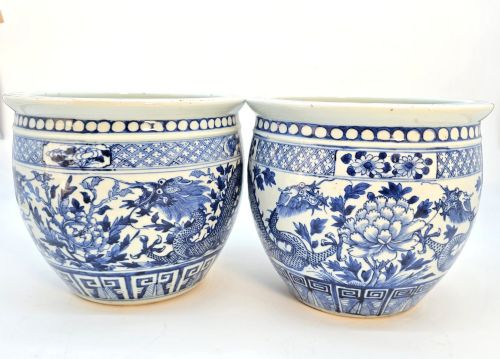
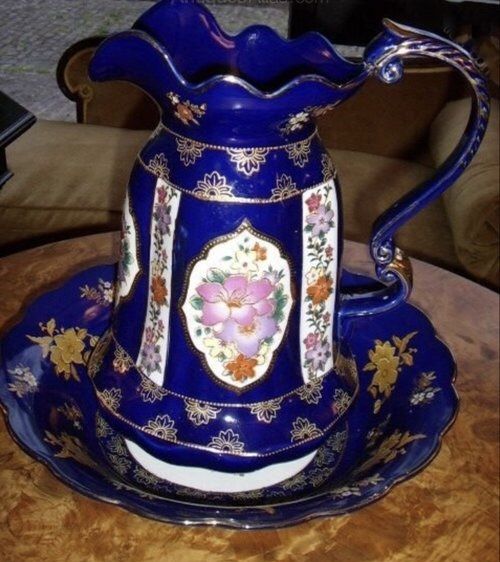
Buyers will encounter various origins and aesthetics on this page, spanning Chinese export porcelain, Japanese Imari and Satsuma productions, and European factories such as Worcester, Rockingham, and Royal Dux. The selections include pieces featuring handpainted polychrome blooms, blue and white glazes, and applied floral motifs.
The assortment reaches across multiple centuries, offering eighteenth century serving dishes alongside twentieth century art pottery. Whether styled with Rococo Revival flourishes or restrained Chinoiserie patterns, each object uses floral themes as its primary decorative language.
How they were made
Potters shaped these vessels using earthenware and porcelain bodies, which were then fired to achieve vitrified or porous foundations suitable for holding water or serving food. Artisans applied intricate surface designs using cobalt blue glazes, polychrome enamel paints, and copper lustre finishes before subjecting the pieces to secondary kiln firings.
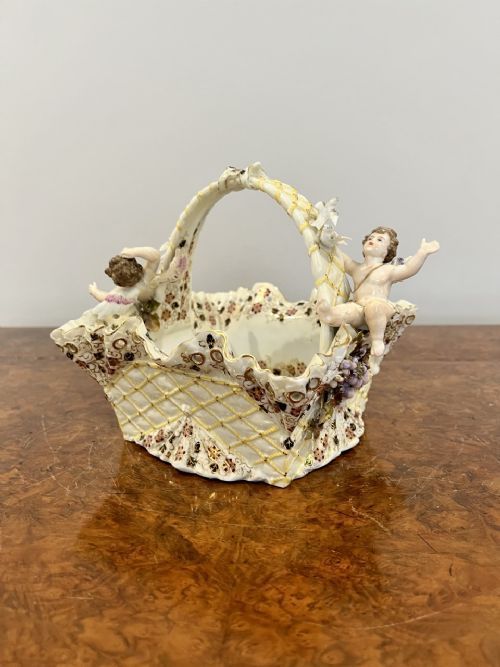
Many elaborate centrepieces and jardinières incorporate applied elements such as three-dimensional ceramic roses and hand-modelled putti figures fixed to the body prior to glazing. Gilt bronze mounts and gold leaf highlights frequently complement the fired ceramic surfaces, particularly on nineteenth century European and export items.
Ceramic Flower Bowl Retail Price Guide 2026
Typical asking prices for ceramic flower bowl among the pieces listed under this phrase on Sellingantiques today, from the lower quarter to the upper quarter. They describe what is for sale here now, not the wider market.
Listings feature porcelain, earthenware, and copper lustre materials across periods from the eighteenth to the twentieth century.
What varies in quality
The refinement of the handpainted brushwork dictates much of the distinction between ordinary and superior pieces, particularly evident in the precision of floral details and polychrome shading. Factories employing skilled ceramicists achieved cleaner lines, deeper glaze saturation, and more naturalistic depictions of botanical subjects.
Derby·Royal Worcester·Rockingham·Royal Dux·Coalport·Worcester·Samson
The Ceramic Flower Bowl Glossary
- Jardiniere
- A large decorative pot or bowl designed to hold a live plant or floral arrangement. These vessels often sit on floors or large tables and feature substantial glazed ceramic bodies.
- Centrepiece
- An elaborate ornamental vessel placed in the middle of a dining table for display. They frequently incorporate figural supports, applied flowers, and elevated bowls.
- Imari
- A style of Japanese export porcelain characterised by a palette of underglaze blue, iron red, and gold. This aesthetic heavily influenced European pottery manufacturers during the eighteenth and nineteenth centuries.
- Famille Rose
- A major family of Chinese ceramic glazes distinguished by an opaque pink or purple enamel colour palette. The technique emerged during the Qing dynasty and depicts botanical and figurative scenes.
- Gilt Bronze
- An ornamental metalwork technique involving the application of finely ground gold to a bronze base. It frequently frames nineteenth century porcelain bowls and centrepieces.
- Millefleur
- A decorative pattern translating to thousand flowers, covering the entire surface of an object with dense floral motifs. This style appears frequently on Japanese Satsuma wares.
Ceramic Flower Bowl: Frequently Asked Questions
How do I care for an antique ceramic flower bowl?
Clean these pieces gently using a soft, dry cloth to remove dust without disturbing delicate enamels or gilt highlights. Avoid submerging items with applied ceramic flowers or bronze mounts in water.
Keep them away from direct sunlight and sudden temperature changes to protect the glaze and prevent stress on historical pottery bodies.
Were these bowls used for actual flowers?
Many jardinières and flower holders served practical functions for displaying cut stems or potted plants within period interiors. Architectural jardinières often contained metal liners to protect the ceramic body from moisture.
Other large centrepieces and serving dishes functioned primarily as visual ornaments for dining tables rather than functional vases.
How can I tell Japanese export ware from European copies?
Japanese pieces from the eighteenth and nineteenth centuries often utilise specific paste compositions, local Satsuma crackle glazes, or traditional Imari iron red palettes. Examination of the foot ring and underside frequently reveals characteristic potting traits unique to Asian kilns.
European factories like Worcester or Samson produced direct interpretations of these designs, using different clay bodies and distinct factory marks.
What does Gaudy Welsh mean on a pottery bowl?
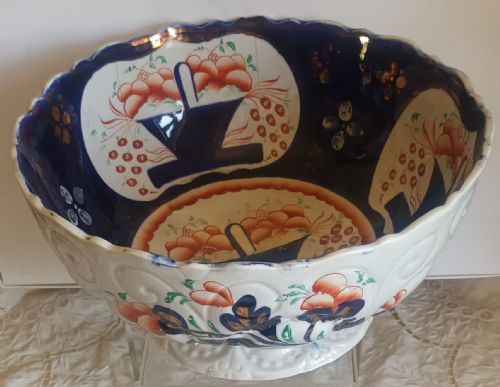
Gaudy Welsh refers to a distinctive type of British earthenware decorated with vibrant cobalt blue, copper lustre, and iron red floral patterns. The style gained popularity during the nineteenth century for domestic tea and table wares.
Pieces bearing the Basket of Flowers pattern showcase hand-applied or transfer-printed motifs typical of this regional ceramic tradition.