

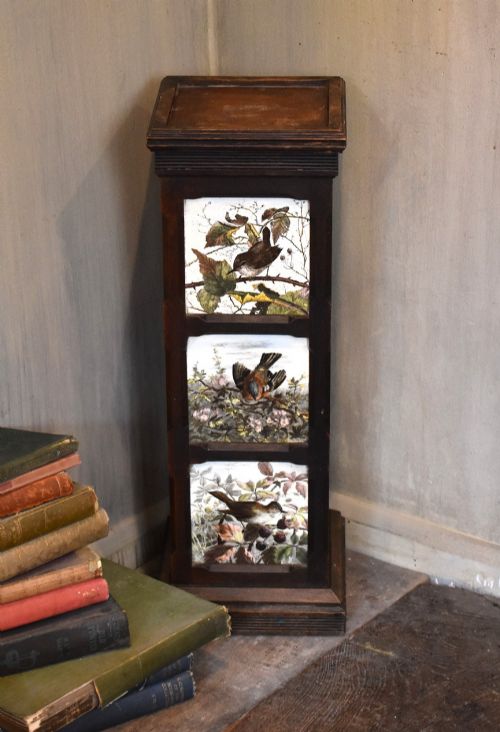


Ceramic Display Stand
A ceramic display stand brings character and vertical interest to interiors, offering a sturdy stage for plants, pottery or small treasures.
Ceramic Display Stand
A ceramic display stand encompasses diverse forms designed to elevate decorative objects, from jardinières and hatpin holders to cake stands and pedestals. When searching for a ceramic display stand, buyers encounter pieces intended to lift plants, porcelain or tableware into prominence.
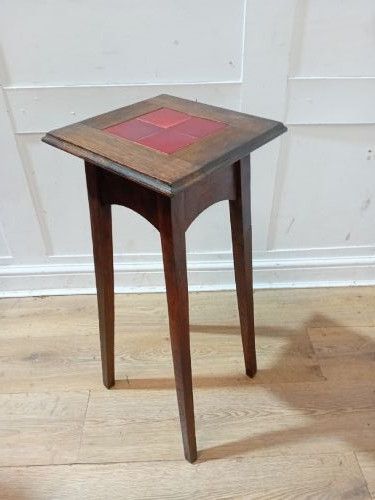
The selections span periods from the nineteenth century through the Edwardian era into the nineteen-twenties and thirties, reflecting varied domestic uses. Victorian Staffordshire pottery watch holders, Aesthetic movement tiled pedestals and Edwardian tier pieces demonstrate the breadth of this category.
Makers utilised ceramic, porcelain, earthenware and glazed surfaces, frequently pairing them with mahogany, brass, oak or ebonised wood. These combinations provided structural support for heavy vases, bowls and plates while introducing contrasting textures to a room.
Materials and construction
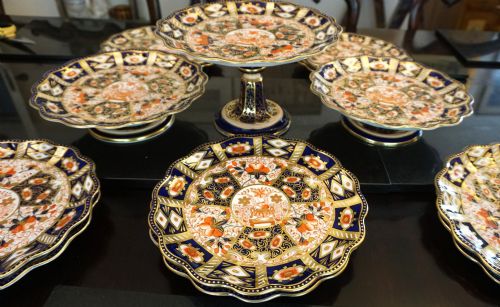
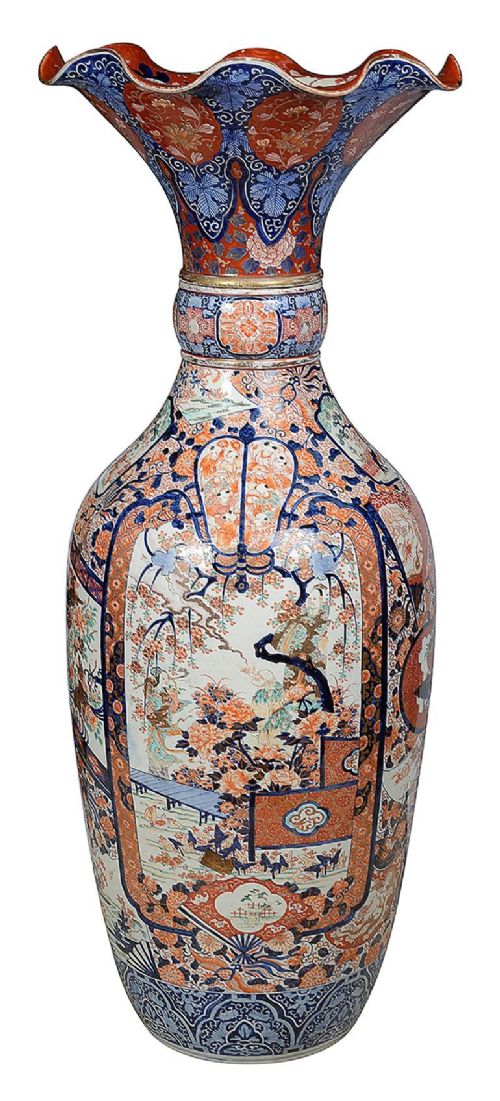
Makers relied on durable ceramic, earthenware, ironstone and porcelain bodies for the load-bearing elements and display surfaces. These ceramic components were frequently glazed, enamelled or hand-painted with patterns such as pagoda motifs and Imari designs.
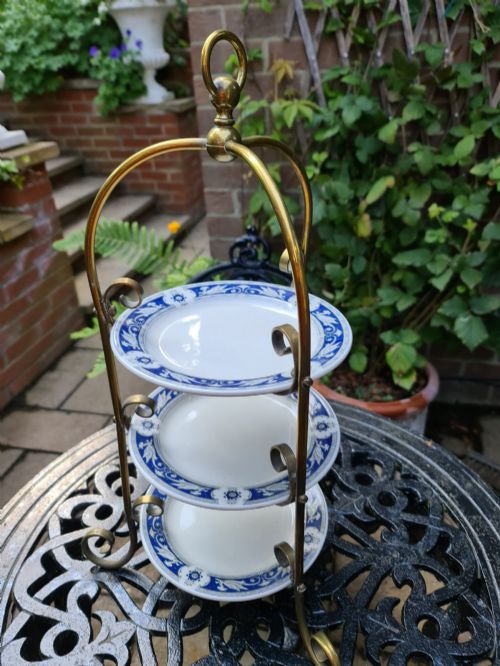
Timber frames in mahogany, padouk, oak and ebonised wood provided stable foundations and tiered structures for heavier jars, bowls and plates. Brass fittings, gold leaf accents and silver plating added structural reinforcement and decorative contrast to the ceramic sections.
Ceramic Display Stand Retail Price Guide 2026
Typical asking prices for ceramic display stand among the pieces listed under this phrase on Sellingantiques today, from the lower quarter to the upper quarter. They describe what is for sale here now, not the wider market.
Victorian households relied on whimsical porcelain watch-holders featuring sculpted figures like the Three Graces to keep timepieces safe overnight.
Distinctions in quality
Quality rests upon the precision of the ceramic body's moulding, the richness of the glaze and the crispness of hand-painted details. Superior pieces display crisp definition in transfer-printed or hand-applied patterns without blurring or firing flaws.
The integrity of the supporting framework dictates overall excellence, as well-joined mahogany, brass or earthenware mounts ensure stability. Pieces retaining their original matching pots, tiles or complementary stands demonstrate higher craftsmanship than assembled marriages.
Mason's Ironstone China·Royal Worcester·Woodlesford Art Pottery
The Ceramic Display Stand Glossary
- Earthenware
- Porous pottery fired at lower temperatures, commonly coated in an opaque glaze. It forms the body for many Victorian jardinières and watch holders.
- Imari
- Japanese export porcelain decorated in underglaze blue, iron red and gold. These colourful patterns frequently appear on large floor-standing vases.
- Jardinière
- An ornamental pot or stand designed to hold a plant or flower arrangement. They often sit on matching pedestals or floor stands.
- Ironstone
- A heavy, durable type of earthenware patented in the nineteenth century. It resists chipping and provides a sturdy surface for cheese dishes and tableware.
- Watch holder
- A small ceramic or porcelain figural stand designed to hold a pocket watch on a bedside table. Victorian examples often incorporate sculptural figures into the design.
Ceramic Display Stand: Frequently Asked Questions
What were ceramic display stands used for?
These stands served practical roles in nineteenth and early twentieth century homes by elevating plants, tableware, pocket watches and decorative ceramics off furniture surfaces.
Larger pedestals and floor vases created focal points in hallways and reception rooms, while smaller table stands organised specialised items like hatpins or cakes.
How do I style a stand in my home?
Position heavier floor-standing pieces in corners or empty alcoves to add height and architectural interest to a room. Tabletop versions suit sideboards or mantelpieces where they can support small bowls, pocket watches or seasonal arrangements.
Allow the ceramic patterns and wood tones to complement existing furniture without overcrowding the display space.
How do I date a ceramic stand?
Examine the materials, manufacturing marks and stylistic influences visible on both the ceramic elements and any supporting woodwork. Aesthetic movement and Victorian pieces often feature characteristic geometric tiles or rich foliage motifs.
Later Edwardian and Art Deco examples shift toward cleaner lines, lighter timbers and distinct porcelain figures such as flapper girls.
Are these stands sturdy enough for daily use?
Most pieces were built to support substantial weight, including heavy ironstone dishes, large Imari vases or damp plant pots. The inclusion of weighted plate stands and solid mahogany frames ensures practical stability.
Inspect the joints between ceramic sections and wooden or metal mounts to confirm secure assembly before placing heavy items upon them.