



Ceramic Display Figure
These ceramic display figures and decorative objects span the nineteenth and early twentieth centuries, offering detailed figurative work and hand-painted scenes to anchor a room.
Ceramic Display Figure
When you search for a ceramic display figure, you encounter diverse domestic ornaments ranging from Staffordshire pottery watch holders to continental porcelain groups and earthenware figures.
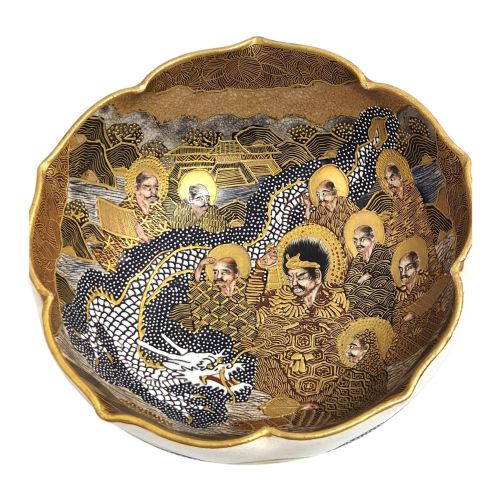
The most common versions met on this page include nineteenth-century Staffordshire figures, Bohemian porcelain fishermen, and Japanese Satsuma pieces featuring court figures.
Objects span decorative plates, vases, garnitures, and standalone figurines shaped to catch the eye in a parlour or drawing room.
How they were made
Potters shaped these pieces from earthenware, pearlware, and porcelain, applying coloured glaze, enamel, and gold leaf or gilt details.
Many items underwent high-temperature kiln firing before receiving intricate hand-painted overglaze decoration, Moriage relief work, or gilt highlights.
Ceramic Display Figure Retail Price Guide 2026
Typical asking prices for ceramic display figure among the pieces listed under this phrase on Sellingantiques today, from the lower quarter to the upper quarter. They describe what is for sale here now, not the wider market.
Listings feature 19th-century Staffordshire earthenware, Japanese Satsuma pottery, and continental porcelain figures from German and Bohemian makers.
What varies in quality
Quality rests in the crispness of the modelling, the precision of the hand-painting, and the preservation of original gilt, enamel, and glaze surfaces.
Superior examples demonstrate refined facial expressions, detailed clothing textures, and well-executed Moriage or gold leaf applications rather than simple mass-produced moulding.
Royal Dux Porcelain·Tokyo Taizan·Volkstedt Porcelain·Royal Doulton·Meissen
The Ceramic Display Figure Glossary
- Pearlware
- An early form of refined earthenware developed in Staffordshire, featuring a bluish glaze that pooled in recesses. It provides a pale ground for underglaze colours.
- Moriage
- A decorative technique used on Japanese ceramics where clay is piped onto the surface in dots or lines to create raised relief patterns. These raised areas are often highlighted with gold leaf.
- Garniture
- A set of matching vases or ornamental jars designed to be displayed together on a mantelpiece or cabinet. They typically consist of three to five pieces of graduated or matching sizes.
- Watch holder
- A Victorian ceramic object designed to securely hang a pocket watch while not in use. They often incorporate figurative groups or architectural elements at the base.
- Overglaze
- Decoration applied to pottery after the initial glaze firing, fixed by a second, lower-temperature firing. This method allows for a wider range of bright enamel colours and gold leaf.
Ceramic Display Figure: Frequently Asked Questions
What is a ceramic display figure?
A ceramic display figure is a decorative porcelain, earthenware, or pottery object shaped into human, animal, or allegorical forms. These pieces were made to sit on mantelpieces, tables, and cabinets purely for visual ornament.
They include Staffordshire pottery watch holders, continental salon porcelain groups, and Japanese Satsuma figures produced during the nineteenth and early twentieth centuries.
How were Staffordshire figures used?
Staffordshire figures and watch holders served as ornamental ornaments in Victorian homes, often displayed on mantelpieces or in parlour cabinets. They brought colour and narrative interest to domestic spaces without serving a practical function beyond holding a pocket watch.
Many depict historical events, literary scenes, or allegorical subjects like the Three Graces, reflecting the tastes of the period.
How do I identify Satsuma ware?
Satsuma ware is characterised by a crackle-glaze earthenware body, typically decorated with intricate hand-painted enamel scenes and gold leaf. Common motifs include court figures, Rakan, and floral patterns.
Pieces often feature raised Moriage work and signatures from artists or kilns such as Tokyo Taizan or Meizan, originating from Japan during the Meiji and Taisho periods.