




Ceramic Display Cover
These ceramic display cover pieces bring lidded vessels, jars, and urns into domestic spaces with distinct period character.
Ceramic Display Cover
When you search for ceramic display cover items, you are looking at lidded vessels, urns, and jars designed to ornament interior spaces. These items function as decorative focal points rather than purely utilitarian containers, bringing varied historical aesthetics into a room.
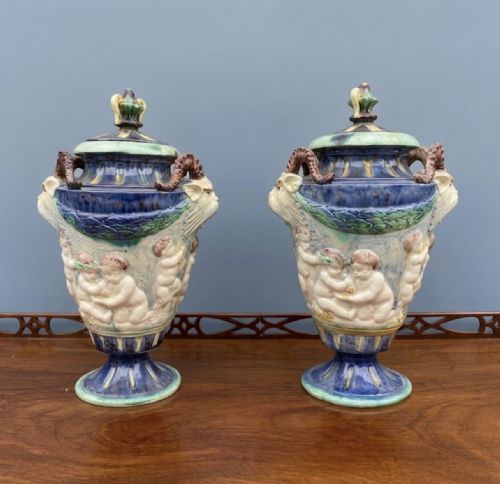
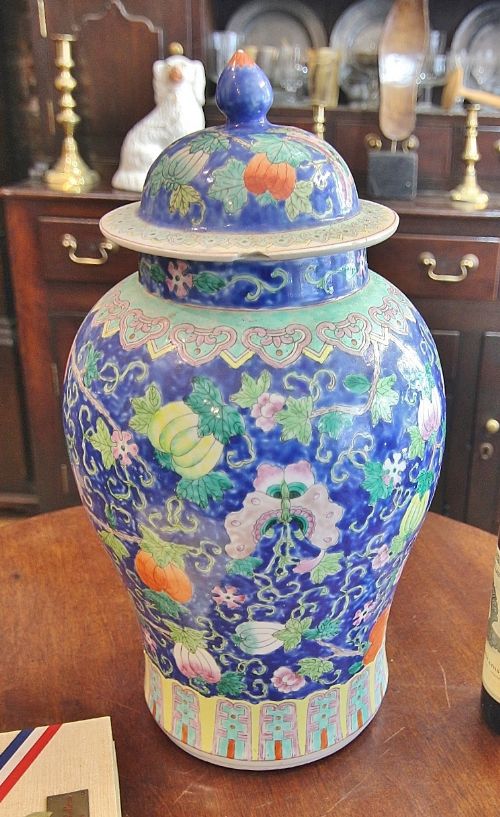
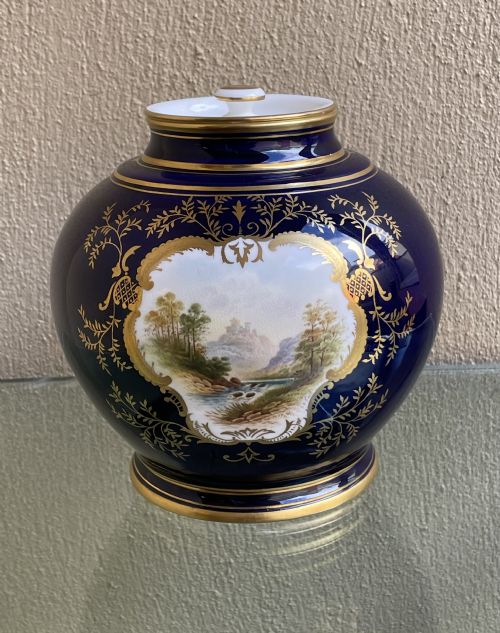
The pieces you meet on this page span the nineteenth century, Edwardian era, and the nineteen-forties. They take forms such as Japanese Imari lidded vases, Chinese jars, and classical porcelain urns.
Makers and producers represented in this group include established names like Coalport and Royal Worcester alongside traditional East Asian kilns. Each object demonstrates the specific ornamental vocabulary of its period of origin.
How they were made
Makers shaped these objects using porcelain and earthenware bodies, finishing them with lead glaze, standard glaze, or enamel. Surface decoration frequently incorporates gold leaf and gilt details to accentuate the contours of the lids and bodies.
Certain pieces integrate ormolu mounts to frame the ceramic elements, combining metalwork with fired clay. Painting techniques range from classical figurative scenes to intricate Japanese Imari and Chinoiserie patterns.
Ceramic Display Cover Retail Price Guide 2026
Typical asking prices for ceramic display cover among the pieces listed under this phrase on Sellingantiques today, from the lower quarter to the upper quarter. They describe what is for sale here now, not the wider market.
Swans painted by C Baldwyn on Royal Worcester porcelain remind us that nineteenth-century artists took bird-watching very seriously indeed.
What varies in quality
Quality in these display covers rests upon the precision of the hand-painted decoration and the clarity of the glaze. Finer examples display meticulous brushwork in the enamel and gold leaf, whereas lesser pieces show simpler application.
The integration of auxiliary materials like ormolu mounts and padouk wood elements influences the overall caliber of the object. Superior craftsmanship ensures the lid and base align harmoniously as a complete decorative unit.
E O Ball·C Baldwyn
The Ceramic Display Cover Glossary
- Imari
- A style of Japanese export porcelain characterised by underglaze blue and iron red, supplemented with gold. It became widely imitated in European factories during the nineteenth century.
- Majolica
- A type of earthenware coated with an opaque tin-lead glaze and painted with metallic oxide colours. This technique produces vibrant hues suited to decorative nineteenth-century urns and vessels.
- Ormolu
- Gilt bronze mounts applied to furniture and ceramics. It provides an ornamental metallic border that enhances the visual weight of the piece.
- Pot pourri
- A vessel designed to hold dried plant material scented with spices, featuring a pierced lid to diffuse fragrance. These jars combine practical scent dispersal with ornamental display.
Ceramic Display Cover: Frequently Asked Questions
What is a ceramic display cover?
A ceramic display cover refers to the lidded element of a decorative vase, jar, or urn intended for interior display.
These covers complete the silhouette of vessels from periods such as the nineteenth century and the Edwardian era.
How were these lidded vessels used?
These pieces functioned primarily as ornamental ornaments on tables, mantelpieces, and architectural ledges within period homes.
Some variants, such as pot pourri jars, held fragrant botanicals to freshen interior spaces.
How do I identify Imari decoration?
Imari pieces typically feature a distinctive palette of underglaze blue, iron red, and gilt detailing across the ceramic surface.
This aesthetic originated in Japan during the Edo period and heavily influenced European ceramic design.
What materials are common in these pieces?
Common materials include porcelain and earthenware finished with lead glaze, enamel, and gold leaf.
Advanced examples also incorporate metal ormolu mounts or are displayed upon auxiliary wood furniture.