





Ceramic Cupid Figure
A ceramic cupid figure brings classical mythology into domestic rooms, capturing the winged messenger in porcelain and biscuit across three centuries of European kilns.
Ceramic Cupid Figure
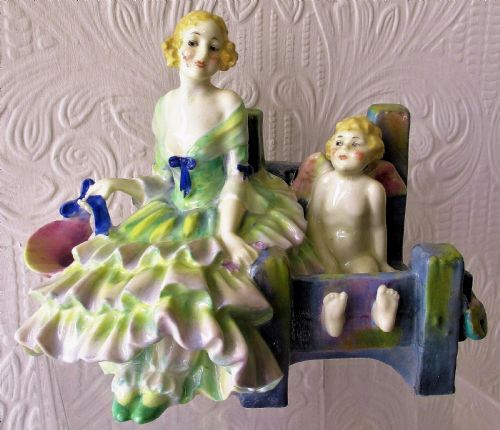
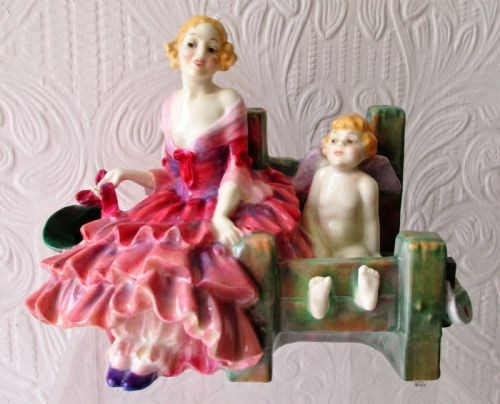
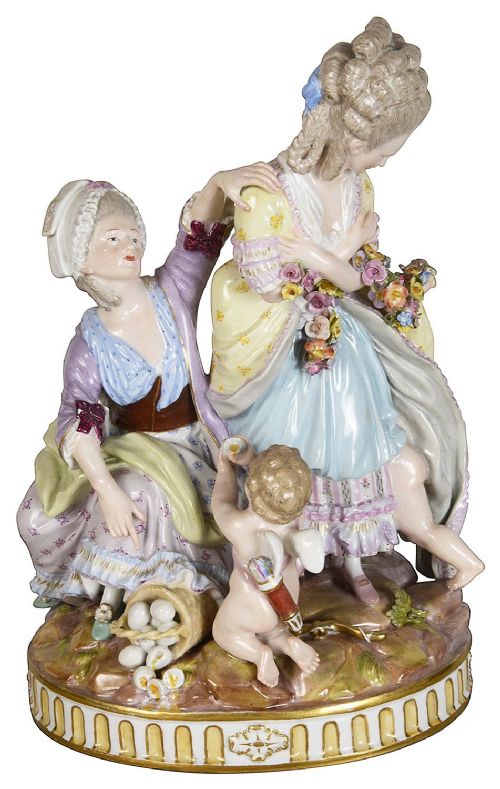
A ceramic cupid figure is a sculpted porcelain, bone china, or soft-paste porcelain representation of the classical god of love, appearing singly or within larger mythological groups. These decorative figurines span the eighteenth, nineteenth, and twentieth centuries, originating from prominent European factories such as Meissen, Derby, and Samson Paris.
Buyers encounter diverse interpretations ranging from Georgian biscuit porcelain group pieces depicting literary or mythological scenes to Edwardian and Art Deco statuettes. The forms include figures standing alone as Amor, participating in allegorical groupings like Father Time clipping wings, or rendered in glazed and enamelled finishes.
The aesthetic vocabulary shifts across eras, moving from the elaborate curves of Rococo revival and Neoclassical styling to the clean lines of twentieth-century production. Each piece reflects the prevailing sculptural tastes of its period while maintaining the central iconography of the winged child.
Materials and manufacture
Makers utilised press-moulding and slip-casting techniques to form complex figure groups before subjecting the pieces to high-temperature kiln firings. Artisans then hand-painted delicate details onto the hardened surfaces, securing polychrome pigments and metallic leaf through subsequent low-temperature firings.
Ceramic Cupid Figure Retail Price Guide 2026
Typical asking prices for ceramic cupid figure among the pieces listed under this phrase on Sellingantiques today, from the lower quarter to the upper quarter. They describe what is for sale here now, not the wider market.
Materials recorded across the inventory include enamel, bone china, soft-paste porcelain, gold leaf, and traditional ceramic glaze.
Assessing quality and execution
The distinction between tiers of production lies in the crispness of the modelling and the finesse of the hand-painting, where superior examples exhibit sharply defined facial expressions, delicate fingers, and intricate plumage on the wings. Lesser pieces display softer contours and more generalized application of enamel colours.
The sophistication of the composition also dictates distinction, as multi-figure groups with complex undercuts and stable balance require advanced mastery of porcelain shrinkage during kiln firing. Surface finish differentiates standard glazed wares from finely chased gilding and finely textured biscuit porcelain.
Royal Doulton·Meissen·Samson Paris·Derby·B. Rezl·Paul Scheurich·Johann Joachim Kändler
The Ceramic Cupid Figure Glossary
- Biscuit porcelain
- Un-glazed porcelain fired to a matte finish, prized for its smooth texture that resembles carved marble. This surface highlights fine sculptural detail without the reflective glare of transparent glazes.
- Soft-paste porcelain
- An artificial porcelain composition made from white clay and glassy frits, fired at lower temperatures than hard-paste porcelain. It was widely used in eighteenth-century European factories for its warm, creamy appearance.
- Enamel
- Opaque vitreous pigments applied to fired porcelain surfaces and fixed in a muffle kiln. These colours provide the vibrant reds, blues, and golds seen on garments and bases.
- Gilding
- The application of gold leaf or powdered gold to ceramic surfaces for decorative emphasis. It is often burnished to create a bright metallic contrast against white porcelain.
- Rococo
- An ornate artistic style characterised by asymmetrical scrolls, C-curves, and naturalistic motifs. It heavily influences the bases and framing elements of eighteenth-century figures.
Ceramic Cupid Figure: Frequently Asked Questions
How do I date an old porcelain figure?
Dating relies on identifying factory marks stamped or painted under the glaze, alongside stylistic cues from the modelling and costume. Factory archives and specialist reference books match these marks to specific production decades.
Material composition also assists in chronological placement, as early soft-paste differs significantly in weight and translucency from later bone china or twentieth-century ceramic bodies.
What is biscuit porcelain?
Biscuit porcelain is fired ceramic material left unglazed to produce a matte, tactile finish resembling marble. Eighteenth-century factories favoured this medium for mythological and allegorical sculpture because it revealed fine details.
Handling biscuit pieces requires care, as the porous surface absorbs oils and dirt more readily than glazed counterparts.
Where were these figures made?
European porcelain production centres such as Meissen in Germany and Derby in England dominated the creation of mythological figures during the eighteenth century. Later nineteenth-century factories like Samson in Paris recreated these earlier styles.
Twentieth-century iterations emerged from both large industrial potteries and individual studio sculptors working in various European countries.
How should I display a ceramic figure?
Displaying porcelain figures securely involves placing them on stable, level surfaces away from heavy foot traffic or direct sunlight. Enclosed cabinet shelving protects delicate protruding elements like wings and fingers from accidental knocks.
Maintaining stable indoor humidity prevents stress on older ceramic bodies and preserves any delicate surface gilding.