



Ceramic Character Figure
These ceramic character figure pieces bring palpable personality to a room, offering expressive portraiture and storied social types caught in clay.
Ceramic Character Figure
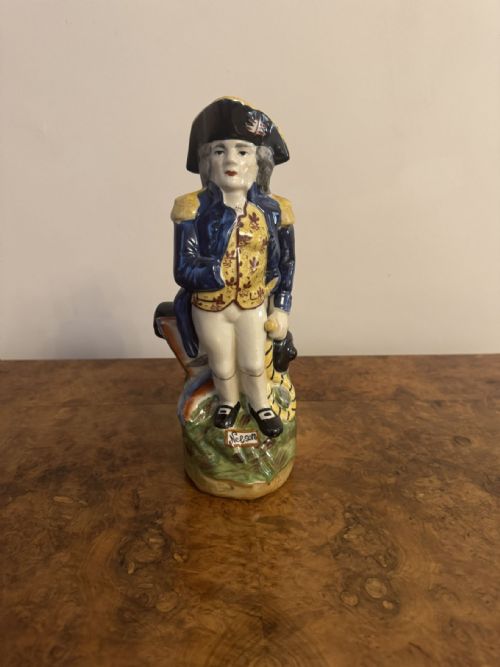
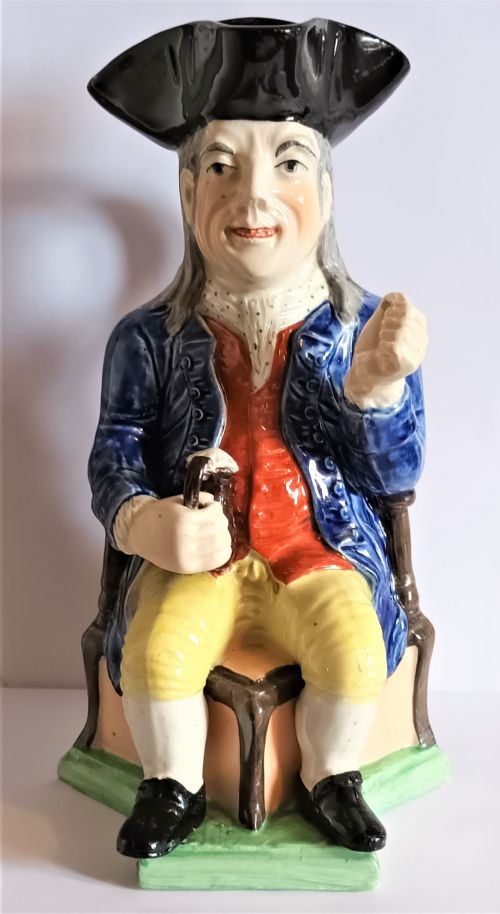
A ceramic character figure encompasses sculptural pottery portraying specific personalities, historical figures, or recognizable social archetypes. When exploring this selection, a buyer encounters everything from traditional toby jugs and figural pepperpots to portrait figurines.
The pieces on this page span the Georgian era through to the early twentieth century, reflecting centuries of modelling tradition. Victorian examples and Staffordshire pottery pieces dominate the selection, bringing distinct regional character to the category.
Forms vary widely from utilitarian vessels like jugs and pitchers to purely decorative figurines and candle accessories. Each piece captures a distinct human or animal subject, ranging from named historical commanders to generic social characters.
How they were made
Potters shaped these figures primarily in earthenware and porcelain, utilising specialised moulding techniques to achieve distinct sculptural forms. Makers applied rich lead glazes and vibrant enamels to the fired bodies to give the surfaces their characteristic sheen and colour.
Many finer details received careful hand-painting over the glaze, occasionally incorporating gold leaf accents for decorative emphasis. Factories such as Derby, Royal Worcester, and Royal Berlin employed skilled modellers and painters to execute these intricate finishes.
Ceramic Character Figure Retail Price Guide 2026
Typical asking prices for ceramic character figure among the pieces listed under this phrase on Sellingantiques today, from the lower quarter to the upper quarter. They describe what is for sale here now, not the wider market.
Mr Sankey stands shoulder to shoulder with Mr Caudle, proving that nineteenth-century shelves were full of opinions.
What varies in quality
The precision and richness of the hand-painted enamel decoration dictate the upper tiers of the range. Controlled glaze application and careful placement of colour elevate an ordinary potting into a piece of fine character.
Stevenson and Hancock·Royal Worcester·Royal Berlin
The Ceramic Character Figure Glossary
- Toby jug
- A pottery jug shaped as a full-bodied drinking figure, usually seated and holding a mug or pot of beer. These robust vessels combine functional pouring with humorous portraiture.
- Staffordshire pottery
- Ceramics produced in the Staffordshire Potteries region, known particularly for spirited nineteenth-century figures and jugs. This tradition forms the backbone of British figural pottery.
- Earthenware
- A porous, opaque pottery body fired at lower temperatures, commonly used for traditional jugs and figurines. It requires a protective glaze to hold liquids and create a smooth surface.
- Enamel
- Vitreous colours applied over a fired glaze and fixed with a secondary low-temperature firing. This technique permits a bright, varied palette on finished ceramic pieces.
Ceramic Character Figure: Frequently Asked Questions
What is a ceramic character figure?
A ceramic character figure is a sculptural pottery piece depicting a recognizable person, historical icon, or social type. These range from functional drinking jugs to decorative mantel ornaments.
They capture distinct personalities through modelling and painted detail, preserving historical humour and portraiture in clay.
How were character jugs used?
Character jugs served both decorative and practical purposes in domestic settings, often holding ale or punch during social gatherings. Their humorous designs provided a lively talking point for guests.
Over time, many transitioned into purely ornamental cabinet pieces rather than functional tableware.
How do I identify a Victorian piece?
Victorian pieces often display the robust earthenware bodies and characteristic lead glazes typical of nineteenth-century Staffordshire production. Look for the distinct painting styles and subject matter popular during that era.
Studying the base and glaze characteristics helps confirm the period of manufacture.
Where were these figures made?
These pieces originated in prominent European ceramic centres, with British Staffordshire potteries and German factories representing major production hubs. Specialised workshops applied local techniques to achieve their distinct glazes and finishes.
Regional styles often reveal the specific origin of an unmarked figure.