

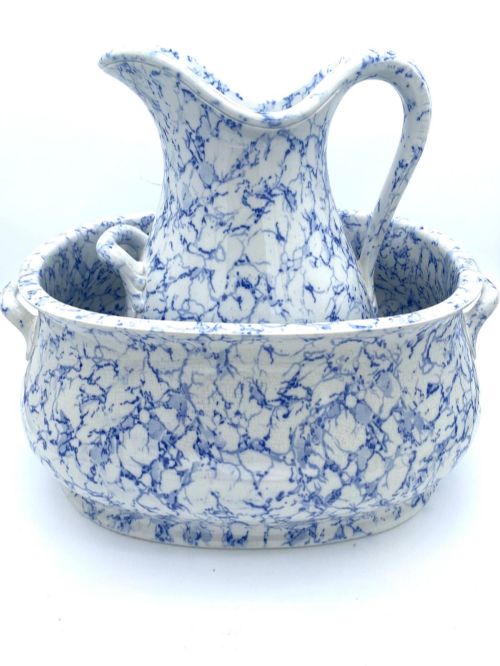


Ceramic Bath
A ceramic bath brings tactile presence and period character into a modern interior, whether you choose a large Staffordshire wash vessel or a delicate Art Deco trinket box.
Ceramic Bath
When you search for a ceramic bath, you encounter a surprisingly varied selection of sanitaryware, footbaths, and novelty items spanning several centuries. The pieces range from substantial nineteenth century footbaths and knee baths down to small porcelain powder boxes from the nineteen thirties.
You are most likely to meet large footbaths and wash sets originating from the Victorian and Regency periods, alongside Art Deco bathing belle figures and trinket boxes. These objects reflect shifting domestic habits, moving from utilitarian personal washing vessels in the nineteenth century to decorative vanity items by nineteen thirty.
Makers represented include prominent factories like Minton, Spode, Copeland, and Royal Dux, spanning styles from rustic English country to crisp Art Deco. Each period brings a distinct palette and glaze treatment, from flowing blue transfer prints to glossy porcelain finishes.
Materials and Manufacture
Potters utilised earthenware, creamware, pearlware, and porcelain to form these vessels and figures, applying liquid glazes to seal the porous clay bodies. Transfer printing allowed factories like Heathcote and Staffordshire potteries to cover large footbaths in intricate blue and white patterns before firing.
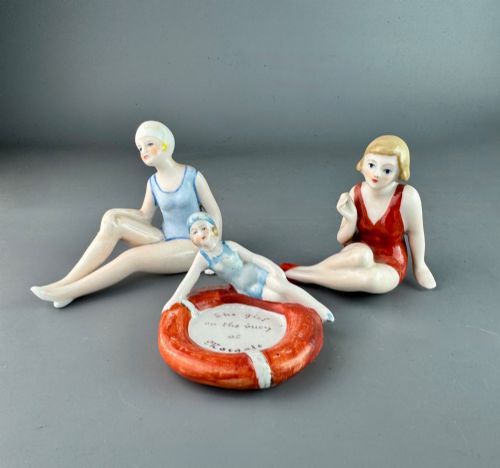
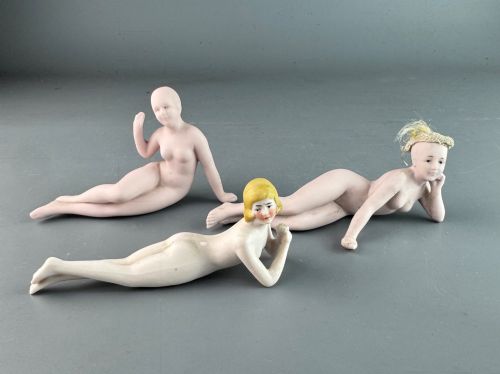
Finer decorative items from the nineteen thirties rely on porcelain shaped into figures of bathing belles and flappers, finished with hand-painted details. Composite stone also appears for heavier garden pancheons, showing how utilitarian composition adapted to different household needs.
Ceramic Bath Retail Price Guide 2026
Typical asking prices for ceramic bath among the pieces listed under this phrase on Sellingantiques today, from the lower quarter to the upper quarter. They describe what is for sale here now, not the wider market.
Listings span from Regency creamware through Victorian Staffordshire transferware to Art Deco porcelain figures.
Evaluating Quality and Finish
Quality rests in the crispness of the transfer print and the uniformity of the glaze across large surfaces like footbaths and wash vessels. Early nineteenth century creamware and pearlware demonstrate finer potting skill when walls remain thin and balanced despite the heavy weight they had to bear.
Minton·Heathcote·Spode·Copeland·Royal Dux
The Ceramic Bath Glossary
- Footbath
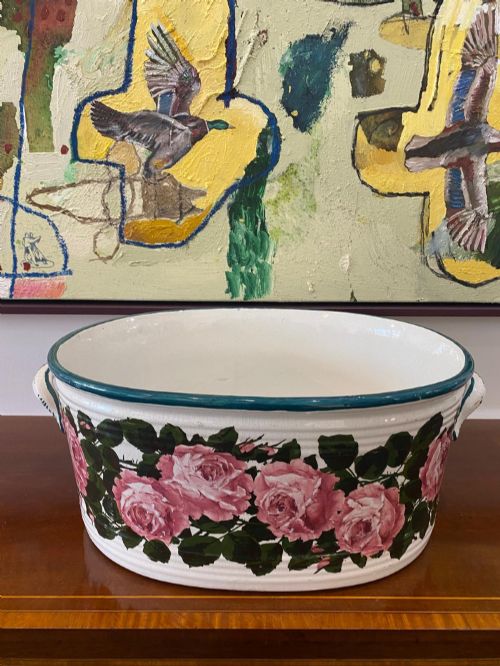
- A large ceramic vessel designed for soaking feet before the era of plumbed bathrooms. These deep basins often feature carrying handles and decorative transfer prints.
- Creamware
- A refined earthenware developed in eighteenth century England with a warm, pale yellow or ivory glaze. It gained popularity for its smooth surface and durability.
- Pearlware
- An improved Staffordshire earthenware featuring a faint bluish tint in the glaze that pooled around rims and handles, designed to mimic Chinese porcelain.
- Transfer printing
- A method of applying intricate designs to ceramics by engraving a copper plate, printing on tissue paper, and transferring the ink onto the biscuit fired clay.
- Powder box
- A small lidded container used on dressing tables for cosmetic powder during the early twentieth century. Many Art Deco examples depict bathing belles.
Ceramic Bath: Frequently Asked Questions
How do I use a footbath at home?
Antique footbaths serve wonderfully as umbrella stands, log holders by the fireplace, or striking centrepieces filled with trailing houseplants.
Their sturdy earthenware construction handles heavy everyday use, though care should be taken to protect antique glazes from abrasive materials.
How do I date a ceramic footbath?
Dating relies on identifying the ceramic body, such as creamware or pearlware, alongside the style of the transfer print and factory marks.
Victorian and Regency pieces often carry specific maker stamps or registration numbers that narrow down the production year.
What distinguishes Art Deco bathing belles?
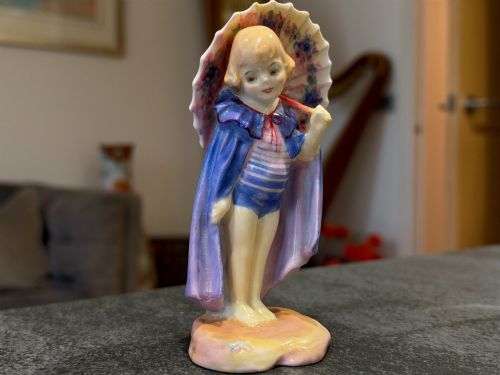
Art Deco bathing belles are porcelain figures and trinket boxes from around nineteen thirty depicting women in period swimwear and hats.
These items were produced in England and Germany as novelty dressing table accessories and reflect the leisure culture of the interwar period.