
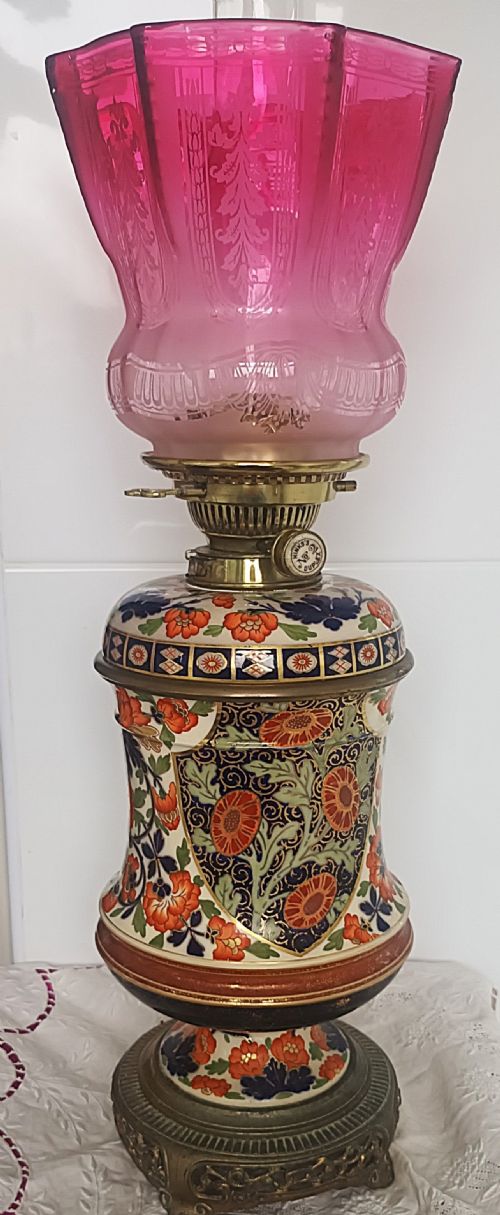
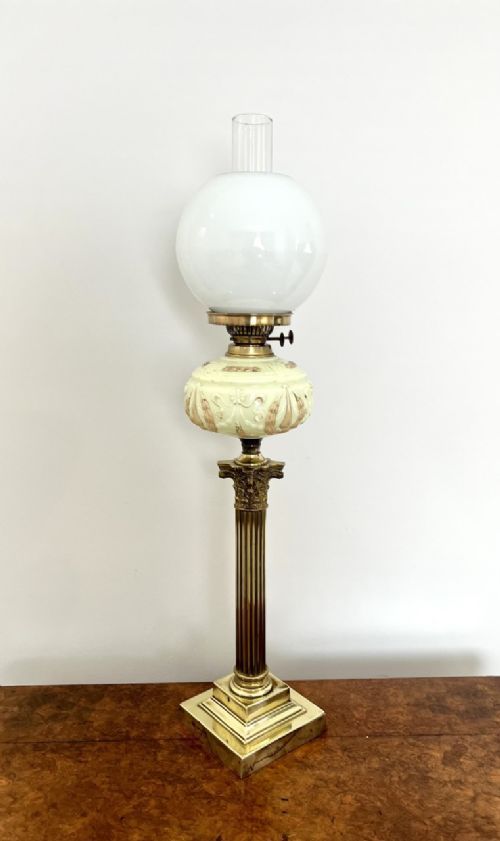


Ceramic and Brass Lamp
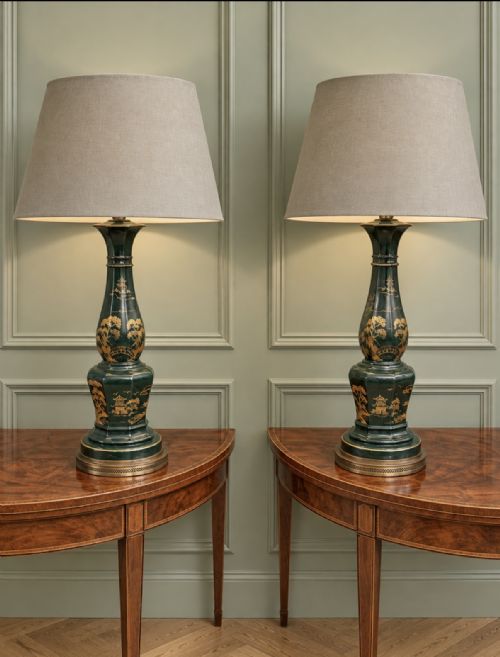
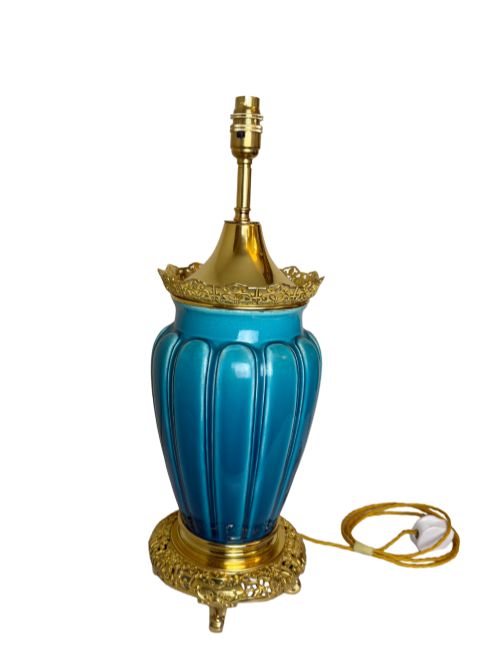
These ceramic and brass lamps combine heavy metalwork with painted pottery to illuminate a room with nineteenth-century weight and presence.
Ceramic and Brass Lamp
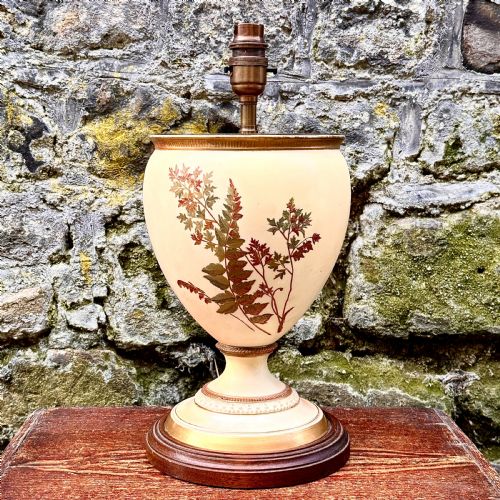
A ceramic and brass lamp brings together a pottery or porcelain body with metal mounts, often originating as Victorian oil lamps or converted vases from Chinese and European workshops.
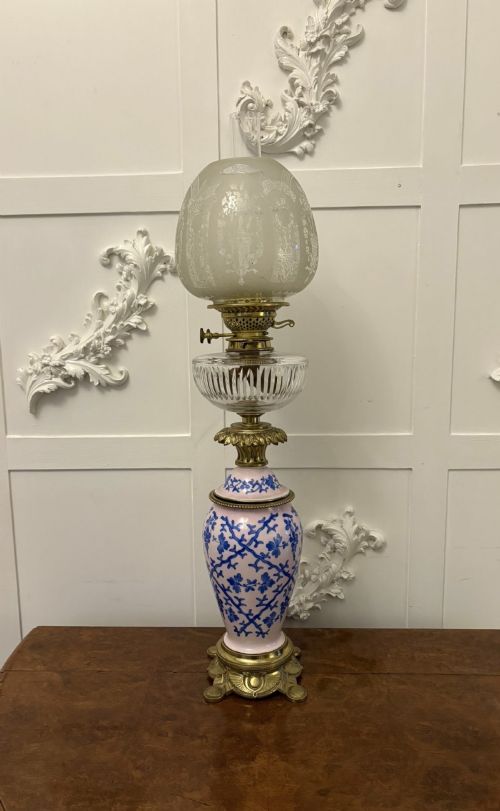
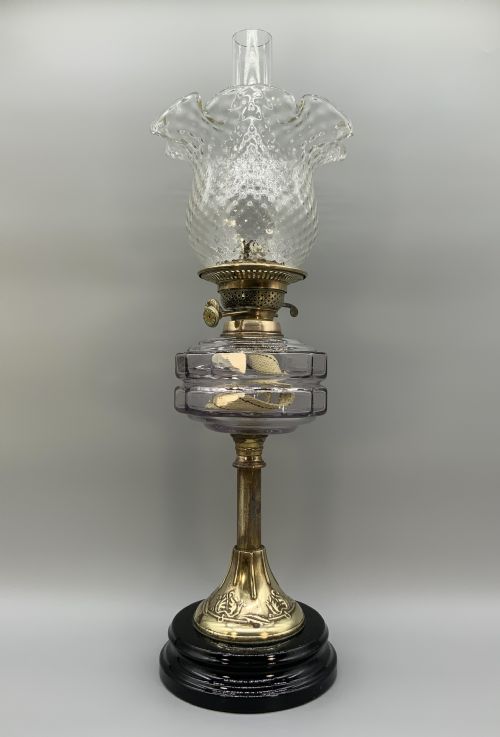
The selections span the nineteenth century into the Edwardian period, encompassing table lamps, converted ginger jars, and twin-burning oil lamps mounted on brass bases.
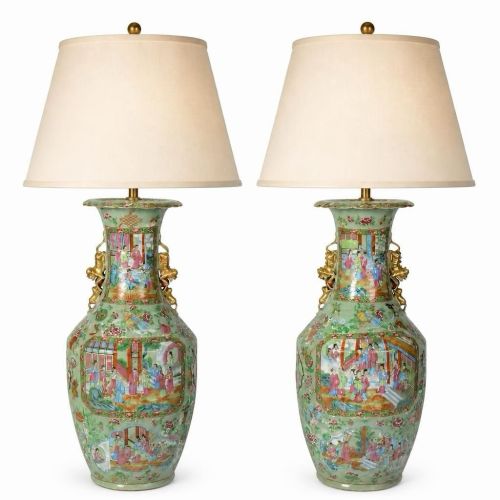
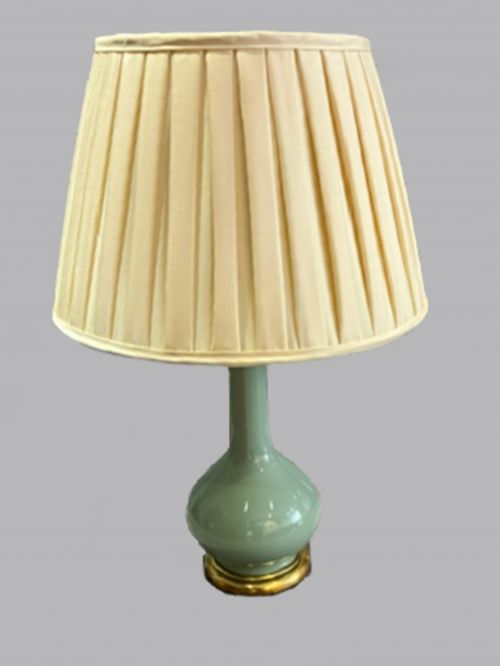
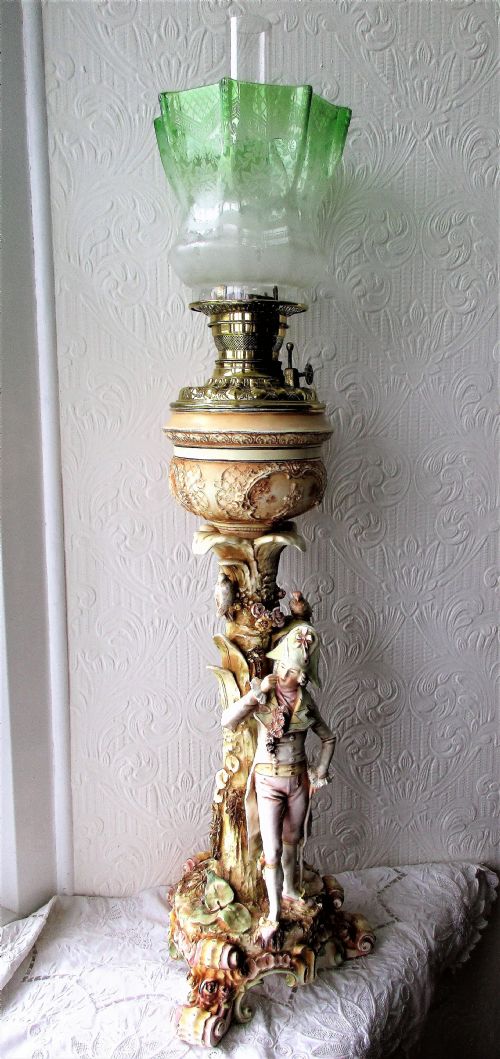
Buyers encounter everything from petite gilt bronze designs to monumental celadon vases and figural porcelain subjects, reflecting diverse domestic interiors of the past.
How They Were Made
Maker operations combined cast or spun brass components with hand-thrown or moulded ceramic bodies, securing the elements with threaded rods or bronze mounts.
Porcelain and earthenware surfaces frequently received hand-painted floral, figural, or blue and white decoration before glazing, whilst glass and fabric provided shades.
German porcelain spitz dogs moonlight as lamp bases, ready to illuminate the parlour.
What Varies in Quality
Distinctions in standard depend upon the crispness of the brass casting and the weight of the bronze mounts fitted to the ceramic bodies.
Finely executed hand-painted detail on porcelain, paired with substantial structural metalwork rather than hollow pressed components, separates the finer examples.
Royal Worcester·Sitzendorf·Hinks and Taylor Tunnicliff·Gien·C Winn·Faraday and Sons
The Ceramic and Brass Lamp Glossary
- Duplex burner
- A dual-wick mechanism common on nineteenth-century oil lamps that produced a brighter flame. These brass fittings frequently anchor the top of the ceramic reservoir.
- Celadon
- A pale green jade-like glaze applied to porcelain bodies. It appears on nineteenth-century Chinese vases later adapted for illumination.
- Gilt bronze
- Copper alloy coated with a layer of gold. It provides decorative mounts and trim for porcelain table lamps.
- Famille verte
- A palette of enamel colours dominated by green, utilised on Chinese porcelain. Pieces decorated in this style date across the nineteenth century in these records.
- Royal Worcester
- An English pottery factory producing ceramic wares. Their pieces occasionally form the body of Edwardian table lamps.
Ceramic and Brass Lamp: Frequently Asked Questions
What is a ceramic and brass lamp?
It is a light fitting that combines a pottery or porcelain reservoir or vase with brass or bronze metalwork. Many examples began life as nineteenth-century oil lamps or were later conversions from decorative vases.
These pieces use the heft of metal and ceramic to create a stable table lamp. The pairing allows for ornate painted designs supported by durable metal mountings.
Were these lamps originally oil lamps?
Many of the Victorian examples started as burning lamps using oil reservoirs before conversion to electricity. Other items began as porcelain vases or jars fitted with electrical components at a later date.
Conversion details vary across the inventory, with some retaining original burners whilst others integrate modern wiring.
How do I date a brass and ceramic lamp?
Dating relies on stylistic markers such as the presence of Victorian or Edwardian brass castings, registration marks, and the specific ceramic painting styles. Periods range from the mid-nineteenth century through to the early twentieth century.
Makers' marks stamped into the metal or painted on the ceramic base provide the most precise indication of origin.
How do I care for antique lamp brass?
Metal components require dusting with a soft, dry cloth to prevent the accumulation of grime on the brass or gilt bronze surfaces. Polishing liquids should be used sparingly to preserve the aged patina developed over decades.
Avoiding harsh abrasorts protects the original finish of both the metal mounts and the painted ceramic body.