







Ceramic Amphora Vase
A ceramic amphora vase brings classical form and rich surface glaze into a room, offering the bold curves of ancient storage vessels in decorative earthenware.
Ceramic Amphora Vase
A ceramic amphora vase adopts the classic two-handled storage profile of antiquity, reinterpreted across various European and Middle Eastern workshops. Buyers encounter large scale ornamental pieces alongside rustic Mediterranean utility jars.
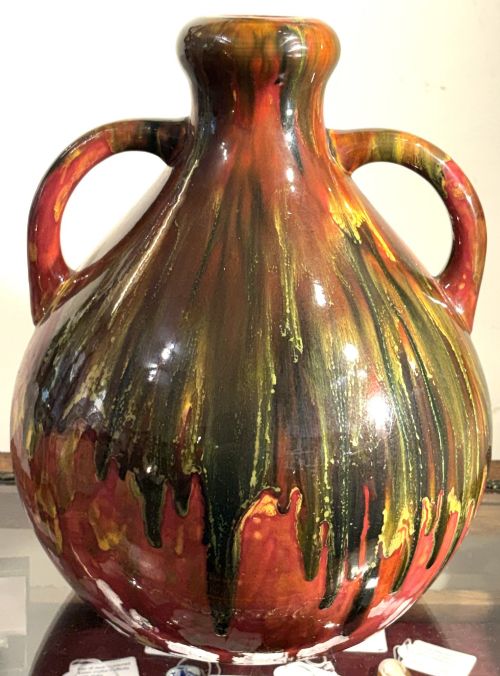
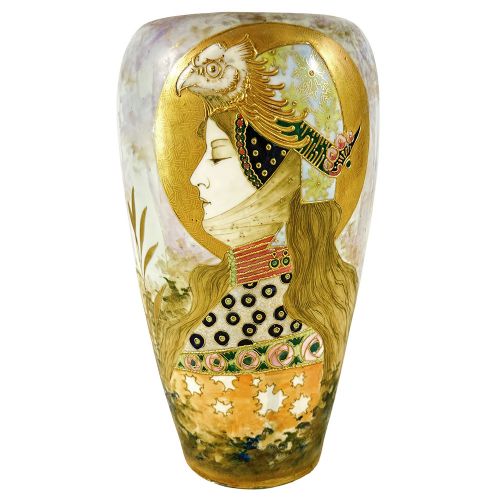
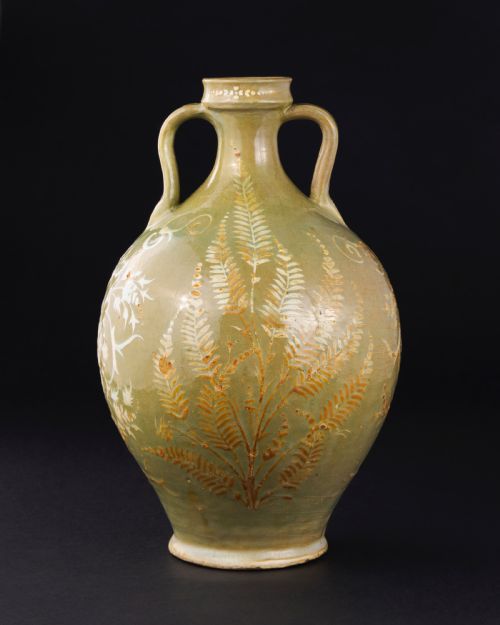
The selection ranges from Victorian art pottery and Edwardian Austrian works to seventeenth century Persian pieces and nineteenth century folk pottery. Forms vary from monumental ewers to hand painted portrait vessels.
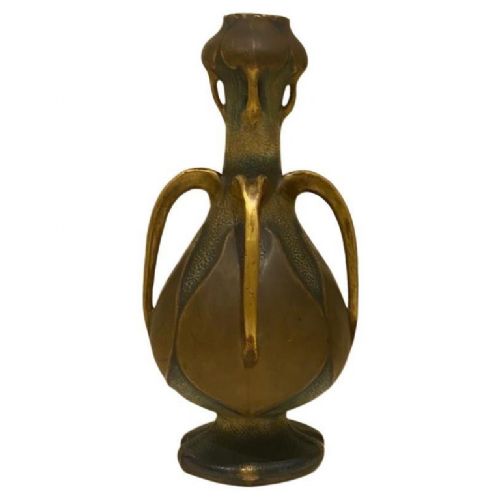
Makers drew on historicist aesthetics, producing items aligned with Art Nouveau, Moorish Revival, and Arts and Crafts design movements. Each vessel displays the characteristic twin handles and tapering body associated with the amphora tradition.
How they were made
Potters shaped these vessels from earthenware and terracotta, building substantial bodies suited to both functional storage and decorative display. The clay body was then finished with ceramic glaze, enamel, or slip.
Surface decoration frequently incorporated hand painted details and gilt highlights, particularly on Austrian art pottery and portrait pieces. Artisans also utilised gold leaf and intricate glazes to accentuate the sculptural contours of the amphora form.
Ceramic Amphora Vase Retail Price Guide 2026
Typical asking prices for ceramic amphora vase among the pieces listed under this phrase on Sellingantiques today, from the lower quarter to the upper quarter. They describe what is for sale here now, not the wider market.
Materials across these listings span simple terracotta and earthenware through to complex ceramic glazes, enamel, and gold leaf highlights.
What varies in quality
Quality rests in the execution of the surface design and the ambition of the ceramic form. Monumental Austrian pieces with complex Art Nouveau plant motifs sit at a different level from simple rustic terracotta storage jars.
The sophistication of the glaze chemistry and the precision of hand painted enamel or gilt work define the distinction between standard production and exceptional studio output.
Burmantofts·Nicholas Kannhauser·Reissner Stellmacher and Kessel·Paul Dachsel·Royal Vienna
The Ceramic Amphora Vase Glossary
- Amphora
- A two-handled jar with a narrow neck used in antiquity for the storage of oil or wine. Later ceramicists adopted this silhouette for decorative ornamental vases.
- Earthenware
- Porous pottery fired at relatively low temperatures that requires a glaze to become impermeable. It forms the structural base for much nineteenth century art pottery.
- Ewer
- A large jug with a wide spout and a shaped handle, often produced as a pair to monumental vases in nineteenth century European ceramics.
- Terracotta
- Unglazed or glazed fired clay of a brownish red colour. It appears frequently in rustic Mediterranean utility vessels and garden jars.
Ceramic Amphora Vase: Frequently Asked Questions
How do I display a large ceramic amphora vase?
These substantial vessels function best as floor-standing focal points or substantial table centrepieces where their twin handles and glazed surfaces can be appreciated without clutter.
Because many examples date from the nineteenth and early twentieth centuries, placing them away from high traffic areas protects their historical glaze and hand painted enamel work from accidental impact.
Were these vessels used for holding water?
Many items originating as Mediterranean olive jars or rustic utility pots were designed for holding liquids or dry goods in domestic settings.
Art pottery vessels from later periods served primarily decorative functions, meaning their interior glazed surfaces may not be suitable for modern flower arrangements without a protective liner.
How can I tell an Art Nouveau amphora from earlier styles?
Art Nouveau examples, particularly those from Austrian potteries around nineteen hundred, feature flowing organic motifs such as water lilies and stylised plant tendrils moulded directly into the ceramic body.
Earlier nineteenth century or seventeenth century pieces generally adhere to more restrained classical, Safavid, or Alhambra-inspired surface patterns rather than the asymmetric botanical curves of the later period.
What is the difference between terracotta and glazed earthenware here?
Terracotta pieces show the porous, reddish clay body left exposed or treated simply as part of rustic Mediterranean or folk traditions, emphasising tactile texture and earthy tones.
Glazed earthenware incorporates a protective and decorative vitreous coating, often enriched with enamel or gold leaf, which characterises the refined output of European art potteries.