

Century Oak Furniture
Century oak furniture brings enduring craftsmanship into a room, offering sturdy chests, dressers, and tables shaped across centuries.
Century Oak Furniture
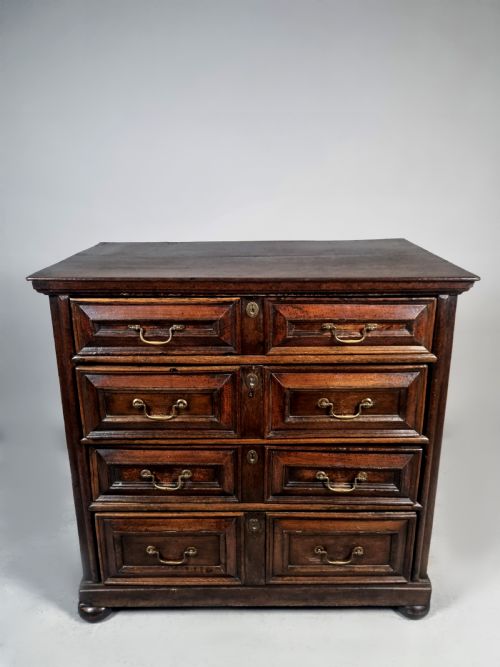
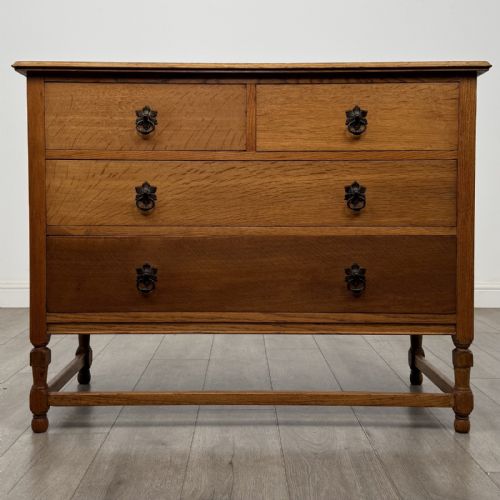
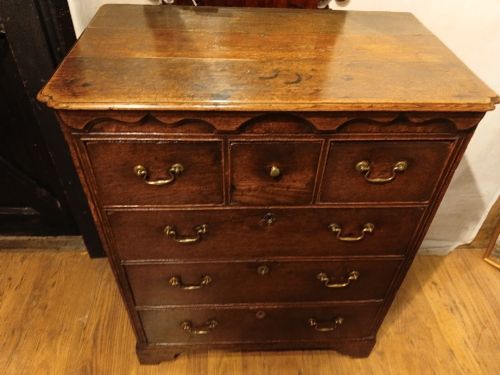
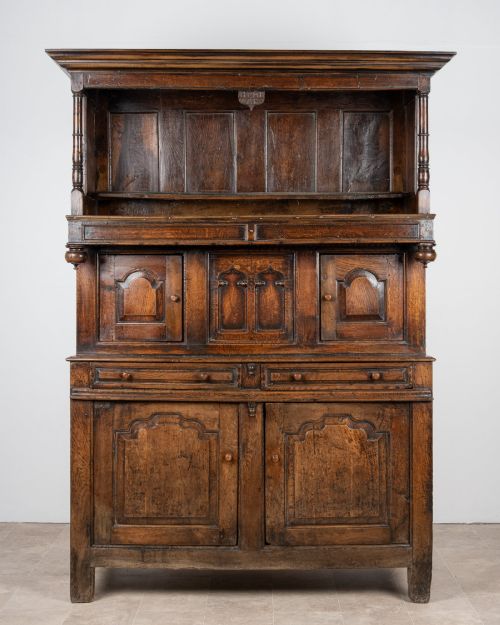
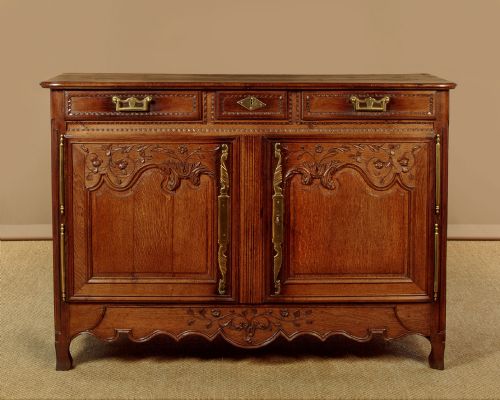
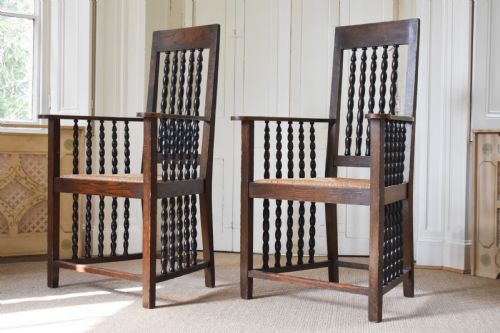
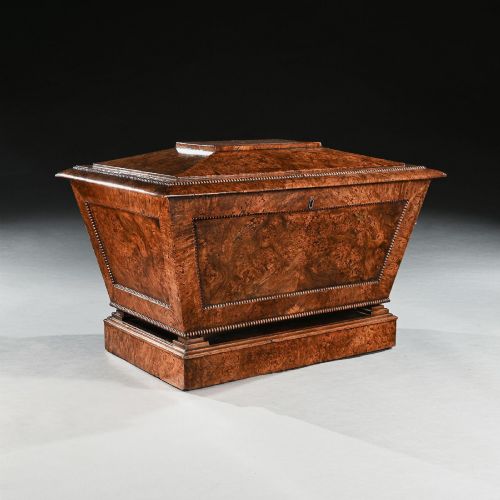
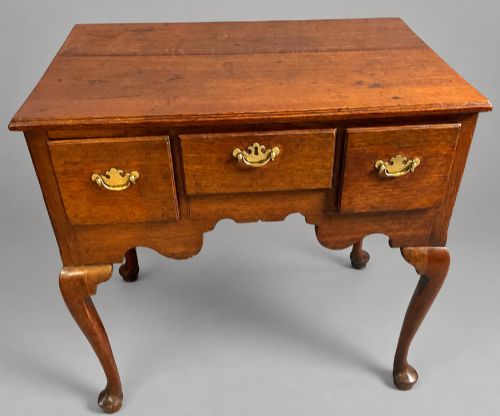
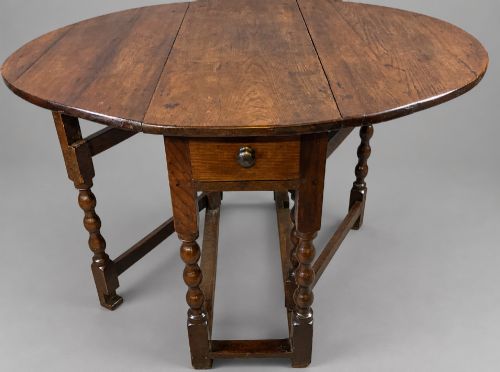
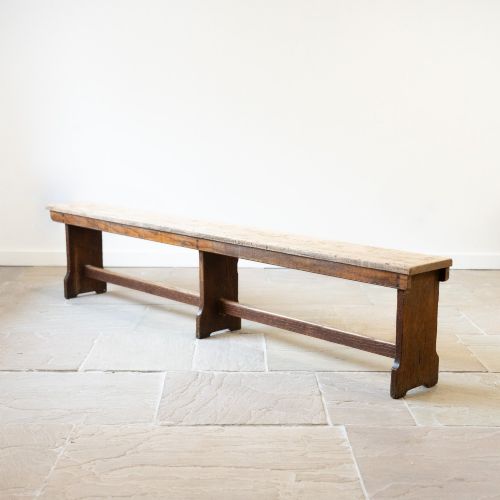
When buyers search for century oak furniture, they encounter sturdy domestic utilitarian pieces spanning the seventeenth, eighteenth, and nineteenth centuries. The selection ranges from robust joint stools and strong boxes of the sixteen-hundreds to Georgian dressers, lowboys, and chests of drawers.
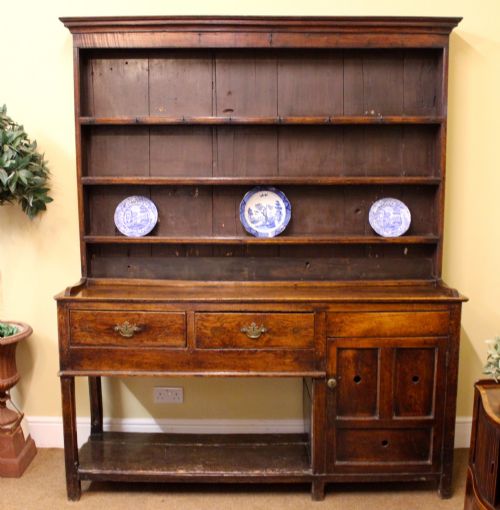
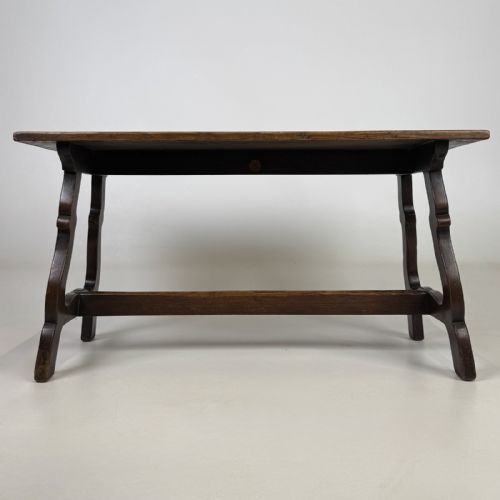
The most common forms on this page include practical storage solutions such as blanket coffers, side tables, and Welsh dressers. Country pieces alongside formal Georgian and Victorian examples reflect the enduring utility of domestic timber.
Materials and construction methods
Makers relied primarily on native oak, frequently supplemented by elm, walnut, and pollard oak for decorative grain effects. Iron hinges, brass handles, and glass panels appeared on later storage pieces and cabinets.
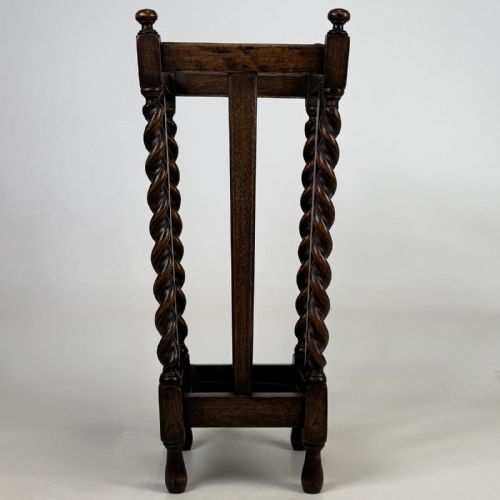
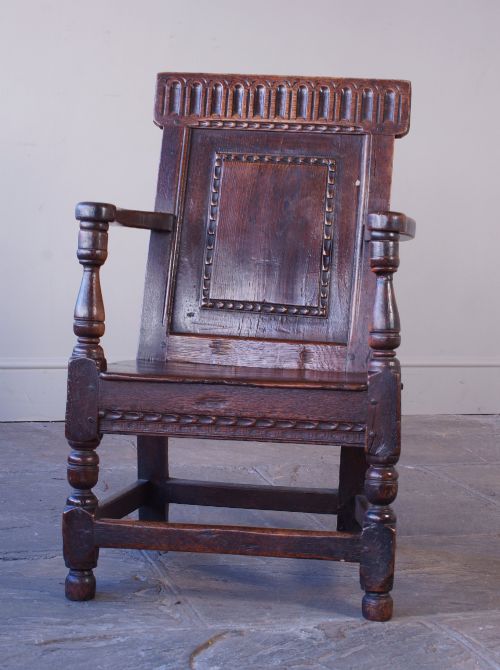
Joinery techniques relied heavily on pegged mortise and tenon joints, hand-cut dovetails on drawer construction, and solid board panels. Surfaces often show the marks of hand-planing and deep carving associated with early vernacular cabinet work.
Century Oak Furniture Retail Price Guide 2026
Typical asking prices for century oak furniture among the pieces listed under this phrase on Sellingantiques today, from the lower quarter to the upper quarter. They describe what is for sale here now, not the wider market.
Listings feature oak alongside elm, walnut, and pollard oak across seventeenth, eighteenth, and nineteenth-century periods.
Judging the quality of early woodwork
Quality rests in the integrity of the original construction, the thickness of the timber boards, and the retention of uncompromised surfaces. Pieces retaining original hardware, untouched backboards, and stable joinery stand apart from heavily restored or altered examples.
Subtleties of carving depth, proportion, and timber selection distinguish standard utilitarian items from exceptional vernacular commissions. Grain movement and the natural patina developed through generations of use define the character of the top tier.
John Moyr Smith·Rushworth's·Finnigans
The Century Oak Furniture Glossary
- Joint stool
- A sturdy wooden stool constructed with pegged mortise and tenon joints rather than turned legs driven into a seat.
- Lowboy
- A small oak or walnut table with drawers, typically used as a dressing table or side table during the seventeenth and eighteenth centuries.
- Tridarn
- A large three-piece Welsh cupboard or cabinet designed for display and storage, often featuring tiered canopies.
- Settle
- A wooden bench with high solid backs, solid board seats, and often enclosed arms to block draughts in older homes.
- Dovetail
- A joint formed by interlocking wedge-shaped fingers, commonly used to secure drawer sides to drawer fronts.
Century Oak Furniture: Frequently Asked Questions
How do I date century oak furniture?
Dating relies on examining construction methods, tool marks, and timber preparation. Hand-sawn boards, pegged joints, and original ironwork point to earlier seventeenth-century origins, while machine-cut elements and later brasses suggest Georgian or Victorian periods.
Stylistic shifts also provide clear markers. Jacobean geometric mouldings give way to cleaner Georgian lines and later Victorian revival interpretations.
Where were these oak pieces used originally?
Most items served practical daily functions in domestic or tavern settings. Dressers and cupboards organised provisions in kitchens, while chests and coffers stored linens and valuables in bedrooms.
Smaller tables and joint stools provided movable surfaces for dining and seating throughout the home. Public houses utilised heavy settles to provide sheltered seating near hearths.
How should I care for old oak surfaces?
Preserving historic timber requires maintaining stable humidity and temperature away from direct heat sources. Simple application of natural wax helps nourish the dry wood grain without sealing it beneath modern synthetic finishes.
Avoid aggressive cleaning agents that strip away accumulated patina. Gentle dusting with a soft dry cloth is sufficient for routine maintenance.
What is the difference between country and formal styles?
Country pieces utilised accessible local woods like elm and pine alongside oak, focusing primarily on utilitarian needs with simple construction. Formal urban pieces incorporated sophisticated veneers, walnut accents, and refined carving details.
Proportions and decorative motifs also distinguish the two streams. Vernacular items favored robust utility while fashionable town workshops followed changing European design trends.