

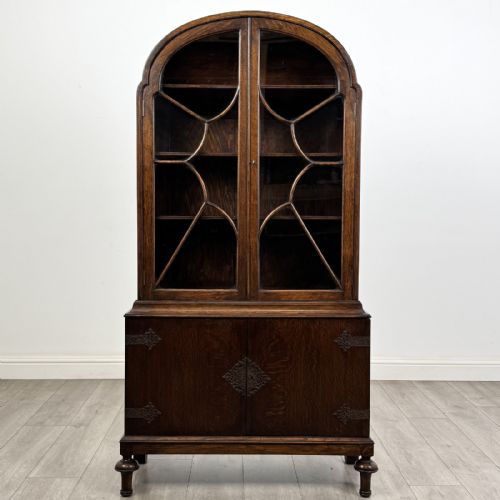
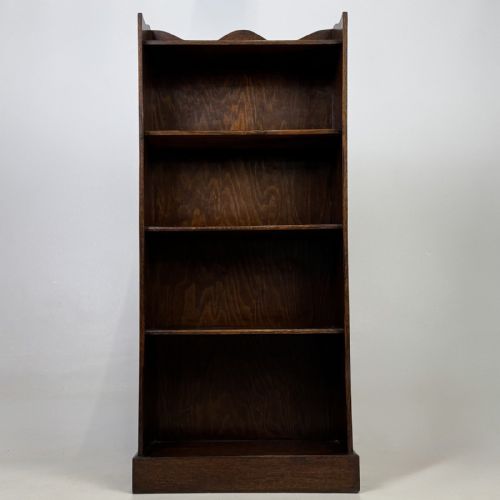
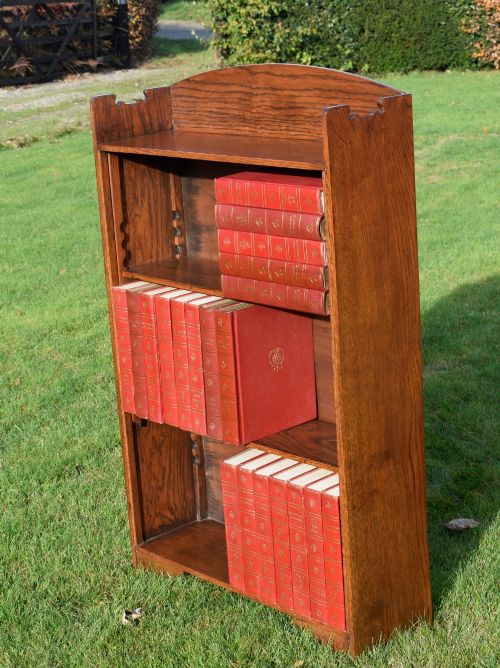
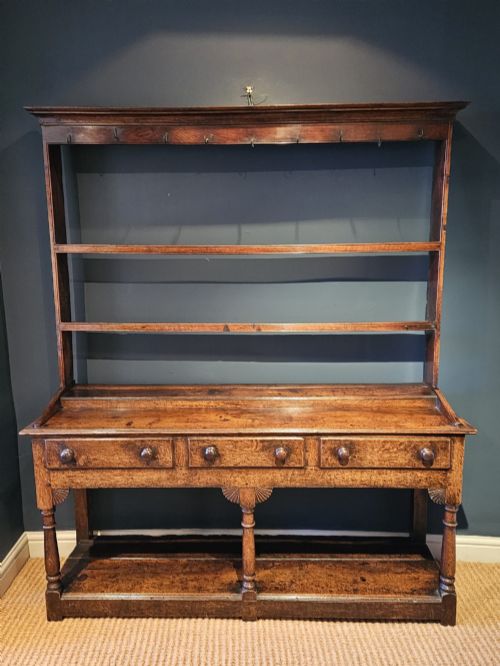
Century Oak Display
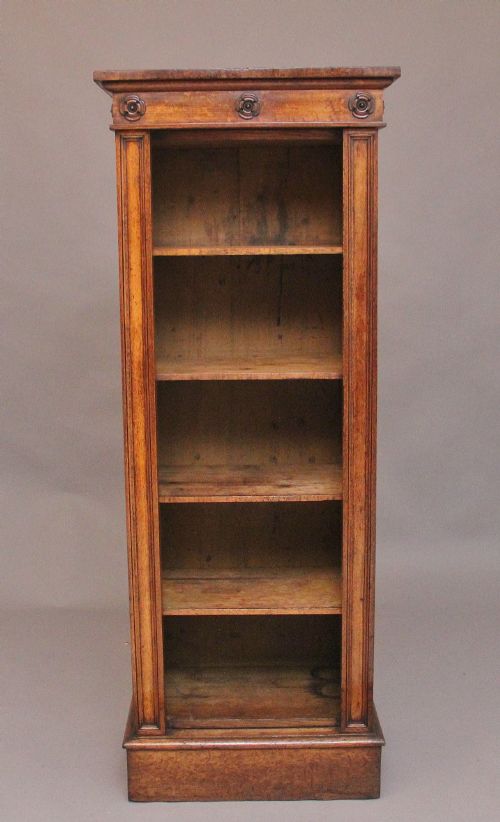
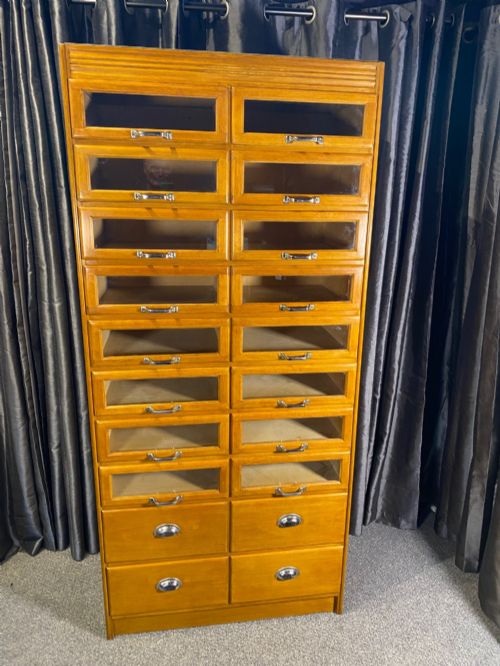
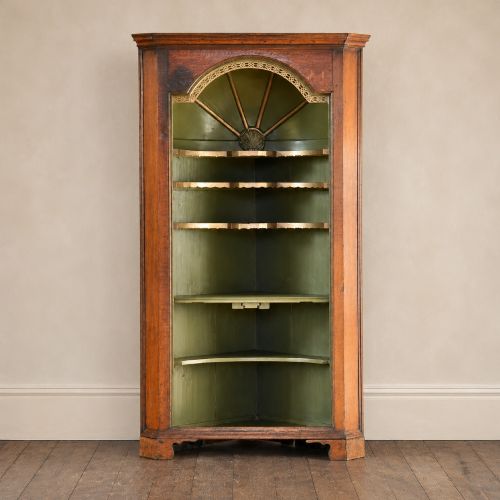
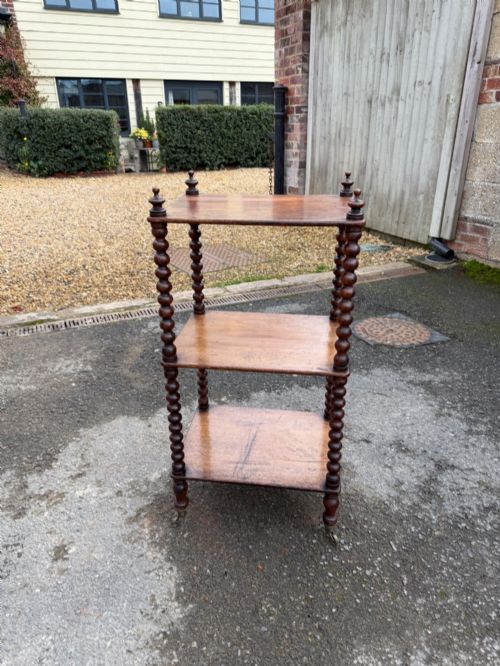
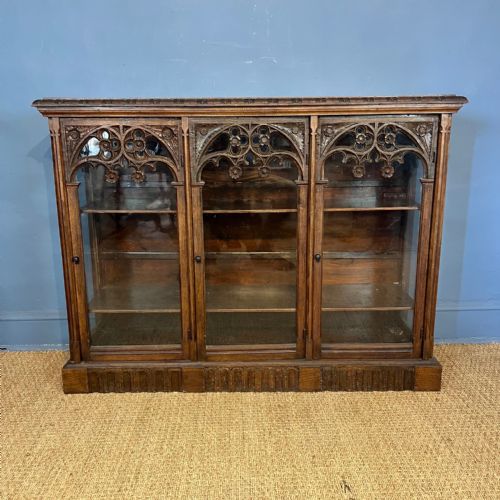
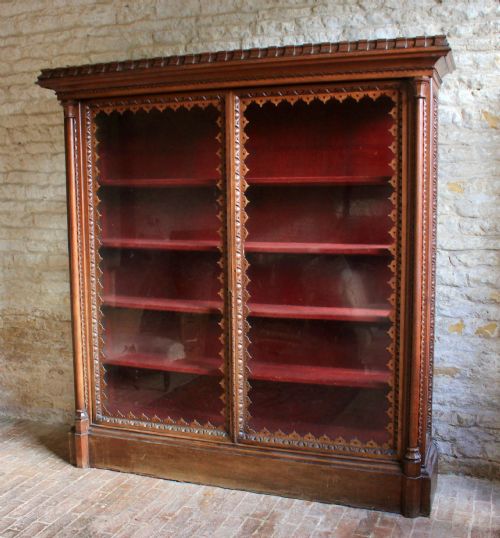
These century oak display pieces bring honest timber and glass into a room, offering sturdy housing for books, china and collected items.
Century Oak Display
A century oak display search gathers robust items built primarily from timber, spanning bookcases, display cabinets, corner cabinets and dressers. Buyers encounter pieces stretching from the 17th century through Georgian, Victorian and Edwardian eras up to the 1920s.
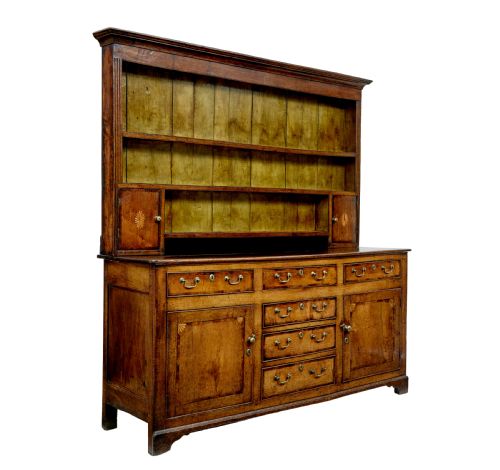
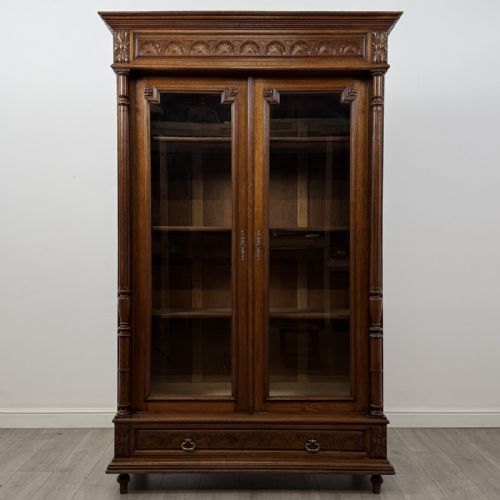
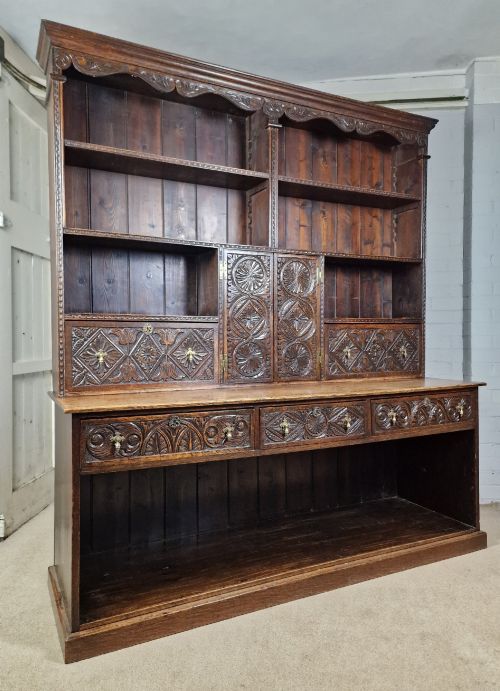
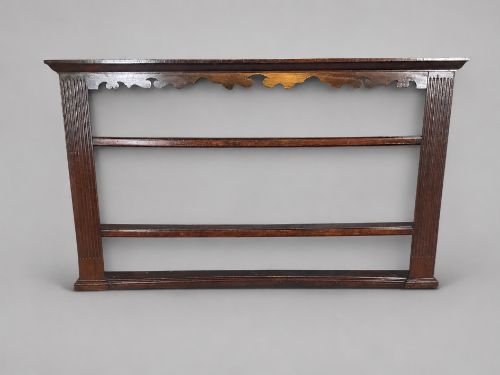
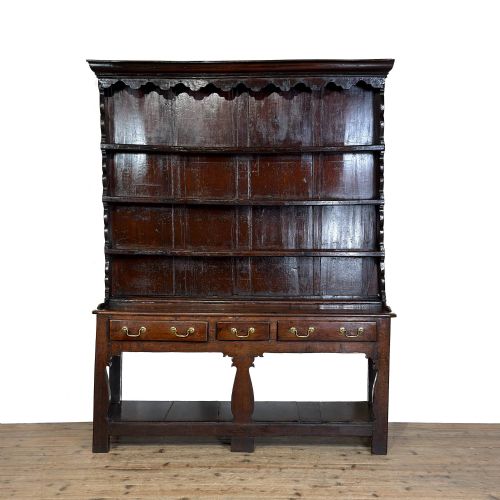
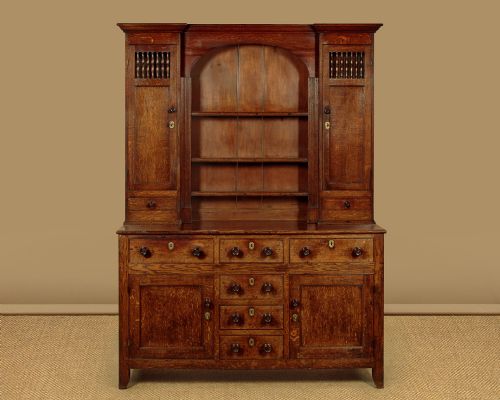
The most common forms on this page include glazed china cabinets, open bookcases, and Welsh dressers featuring open plate racks. These objects range from rustic country furniture to detailed Jacobean Revival and Arts & Crafts designs.
Makers and workshops of various scales produced these items, utilising oak alongside glass, brass, and iron hardware. The selection reflects domestic storage needs across multiple historical periods.
Materials and construction
Makers relied on solid oak as the primary structural timber, often selected for its durability and prominent grain pattern. Secondary woods sometimes appear alongside crossbanding in mahogany or walnut.
Glazing methods incorporate glass panes held by lead or wooden framing to protect contents while allowing visibility. Metal elements like brass handles, iron hinges, and cast iron details provide structural support and closure.
Surface decoration relies on carved panels, linenfold motifs, and ebonised highlights rather than heavy applied finishes. Joinery methods connect uprights, shelves, and panelled doors to endure daily household use.
Century Oak Display Retail Price Guide 2026
Typical asking prices for century oak display among the pieces listed under this phrase on Sellingantiques today, from the lower quarter to the upper quarter. They describe what is for sale here now, not the wider market.
Listings feature oak combined with glass, brass, iron, lead, and ceramic elements across various historical periods.
Quality distinctions
The standard of a piece depends upon the selection of timber and the crispness of its carved details. Superior examples exhibit well-figured oak grain and balanced proportions across doors and cornices.
Construction integrity separates standard items from exceptional ones, particularly in the fit of glazed doors and the stability of shelving. Original hardware and secondary timbers contribute to a higher grade of manufacture.
John Moyr Smith·Gillows·Heals·Ercol·Rushworth's
The Century Oak Display Glossary
- Welsh dresser
- A traditional kitchen or dining furniture form featuring base cupboards or drawers surmounted by open plate racks.
- Linenfold
- A style of carved wooden panelling that resembles folded cloth, frequently seen on cabinet doors.
- Leaded glass
- Small panes of glass held together by strips of lead within a window or cabinet door.
- Potboard
- A lower open shelf on a dresser traditionally used for storing pots and heavy kitchen utensils.
- Crossbanding
- A strip of veneer applied perpendicularly to the grain of the main surface for decorative framing.
Century Oak Display: Frequently Asked Questions
What is a century oak display cabinet?
A century oak display cabinet is a wooden storage piece featuring glass doors or open shelving designed to showcase items inside a room. These cabinets utilise solid oak framing and often include architectural mouldings or carved panels.
Such pieces range from Edwardian glazed china cabinets to Georgian corner cupboards, providing functional storage for books and ceramics while displaying the natural grain of the timber.
How do I identify a Welsh dresser?
A Welsh dresser combines a lower section of enclosed cupboards or drawers with an upper framework of open shelves known as a plate rack. This configuration allowed households to store utility items below and display decorative plates above.
Examples span from 18th century country pieces to 20th century interpretations, frequently incorporating oak construction and occasionally potboards at the very base.
Where should I place a bookcase cabinet?
Bookcase cabinets suit living rooms, studies, and dining spaces where books and collections require enclosed protection from dust. Placing them away from direct heat sources helps preserve the stability of the oak timber and any glass panels.
These pieces function effectively against flat interior walls or within corners, depending on whether the format is rectangular or built for an angle.
How do I care for antique oak furniture?
Maintaining antique oak involves keeping the timber away from extreme humidity fluctuations and sudden temperature changes. Regular dusting with a dry cloth keeps the surface clean without stripping the finish.
Avoiding harsh chemical polishes preserves the natural patina developed by the wood over generations of domestic use.