





Central Persian Weaving
Central persian weaving brings together rich rugs, carpets and textiles carrying centuries of knotted heritage into modern rooms.
Central Persian Weaving
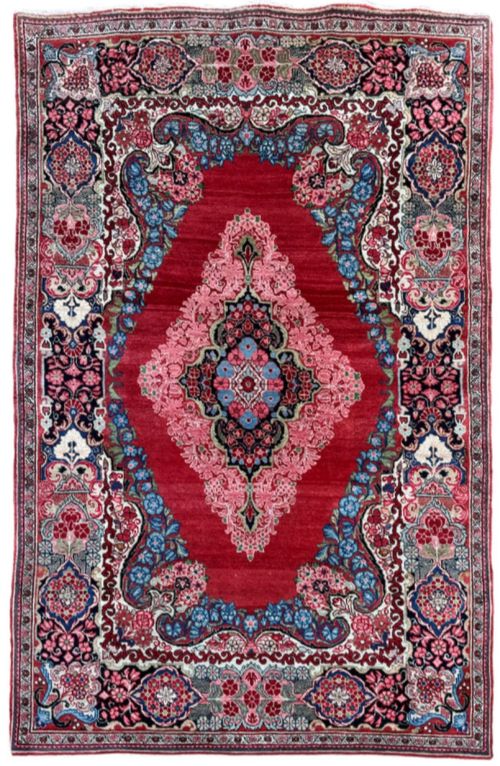
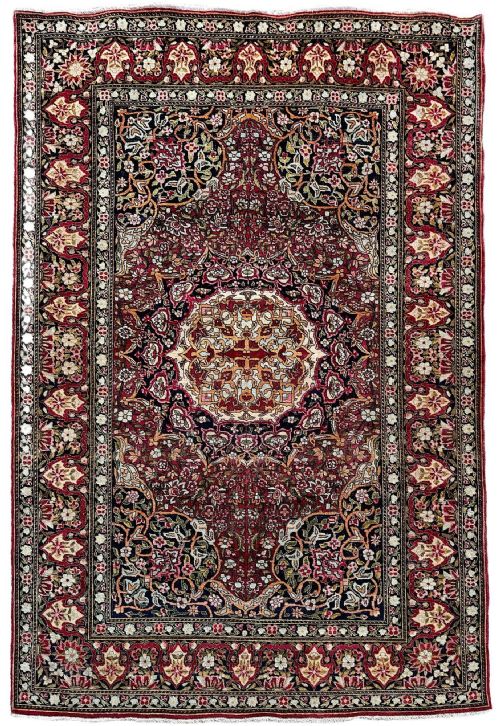
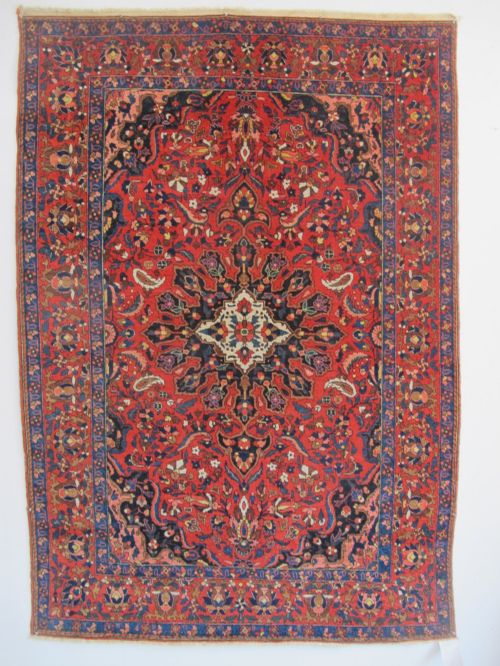
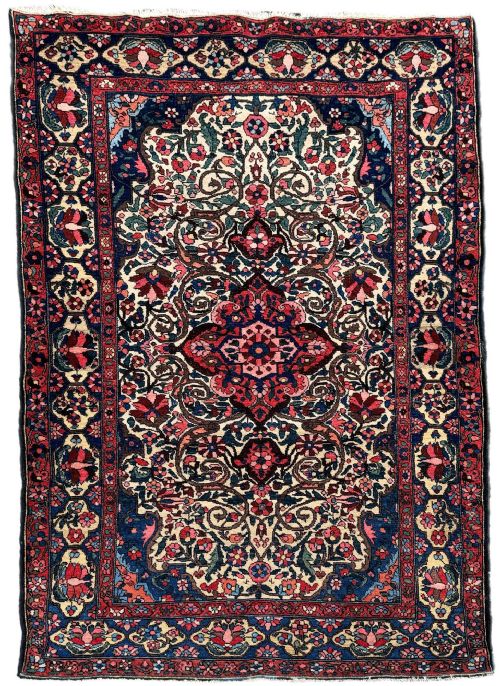
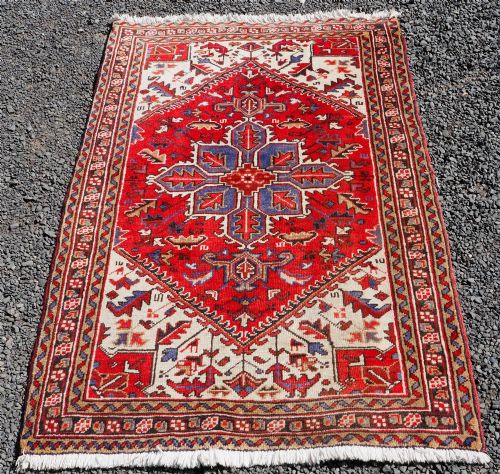
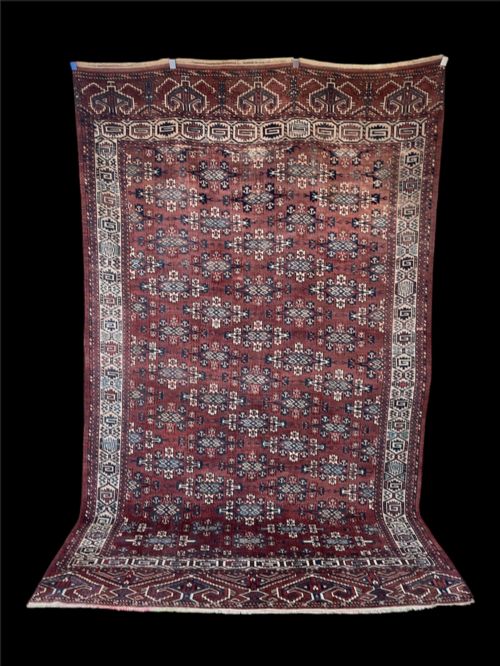
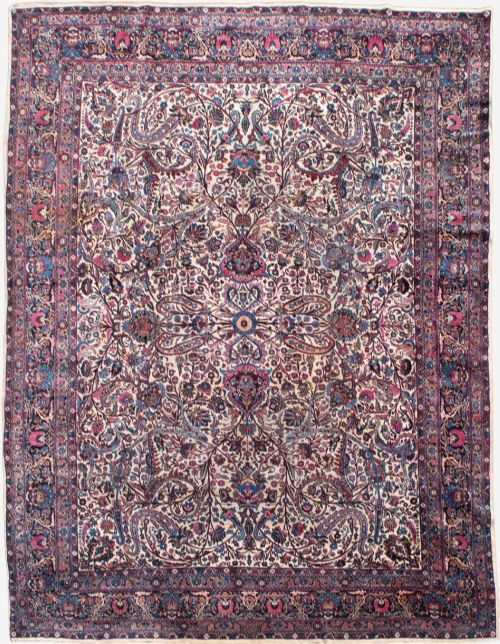
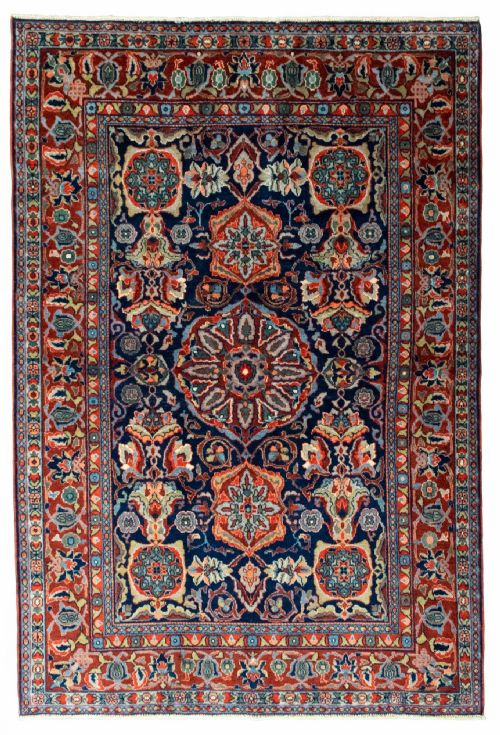
Central persian weaving encompasses rugs, carpets, area rugs, runner rugs and tribal textiles produced across historical Persian centres and borderlands. When exploring central persian weaving, buyers frequently encounter room-sized carpets alongside smaller formats such as bag faces, bread sofreh and prayer rugs.
The selection ranges from nineteenth-century tribal works to early twentieth-century town pieces. Examples originate from recognised weaving traditions including Isfahan, Tabriz, Sarouk, Bakhtiar, Kirman, Kashan and Bidjar.
The selection includes both room-sized carpets and smaller formats like bag faces and bread sofreh.
Materials and construction
Makers utilised natural materials including wool, cotton and silk for foundation and pile construction. Hand-knotted techniques predominated across regional workshops and tribal encampments.
Dyers employed natural dyes to colour the fibres, creating deep tones that developed rich patinas over time. Cotton foundations typically provided stability for dense woollen piles, while silk was reserved for finer urban pieces.
Central Persian Weaving Retail Price Guide 2026
Typical asking prices for central persian weaving among the pieces listed under this phrase on Sellingantiques today, from the lower quarter to the upper quarter. They describe what is for sale here now, not the wider market.
Listings feature items spanning the nineteenth and twentieth centuries, constructed from wool, cotton, silk and natural dyes.
Factors influencing quality
Knot density and structural tightness dictate the durability and crispness of the design. Finer wool and silk selections display greater precision in intricate medallion and floral motifs.
The choice of natural dyes influences the depth and longevity of the colour palette. Pieces with balanced proportions and well-executed borders represent the more accomplished examples of the tradition.
The Central Persian Weaving Glossary
- Medallion
- A central decorative motif placed in the middle of the rug field. This ornamental design often anchors the entire composition.
- Sofreh
- A type of woven spread utilised for serving bread or meals. These textiles often feature geometric symbols and tribal iconography.
- Pile
- The upright yarn that forms the soft surface of the carpet. It is knotted onto the warp and weft foundation threads.
- Warp
- The vertical threads stretched tightly on the loom before knotting begins. The fringe of the rug is typically a continuation of these structural cords.
- Gul
- A repeating octagonal or botanical emblem found in tribal weaving traditions. These motifs often identify specific tribal groups.
Central Persian Weaving: Frequently Asked Questions
How do I care for an antique Persian rug?
Vacuum gently without using a rotating brush bar to protect the delicate wool or silk pile. Keep the textile out of direct sunlight to prevent natural dye fading.
Rotate the rug periodically to ensure even wear across high-traffic areas in your home. Professional cleaning by a specialist in antique textiles is recommended every few years.
Where were these rugs historically used?
Town carpets graced formal reception rooms in urban Persian residences and merchant houses. Tribal pieces served nomadic families inside tents as floor coverings, blankets, and storage bags.
Smaller formats like prayer rugs and sofreh held specific ceremonial or domestic purposes. Today, these textiles transition easily into modern living spaces as focal floor art or wall hangings.
How can I tell different regional styles apart?
City pieces from centres like Isfahan or Tabriz showcase precise floral curves and silk-accented details. Tribal rugs from groups such as the Qashqai or Baluch display geometric motifs and earthy palettes.
Examining the weave tightness and foundation materials reveals whether a piece originates from an urban workshop or a nomadic camp. Border designs also provide clues to the specific region of production.
What does natural dye mean for these rugs?
Natural dyes derive from plants, insects and minerals rather than synthetic compounds. These colorants age gracefully, developing subtle variations known as abrash.
Vegetal dyes interact with wool fibres to create harmonious tones that deepen with age. This traditional dyeing method contributes to the enduring appeal of antique textiles.