


Central Persian Carpet
A central persian carpet brings rich colour, intricate design and historical depth to any room.
Central Persian Carpet
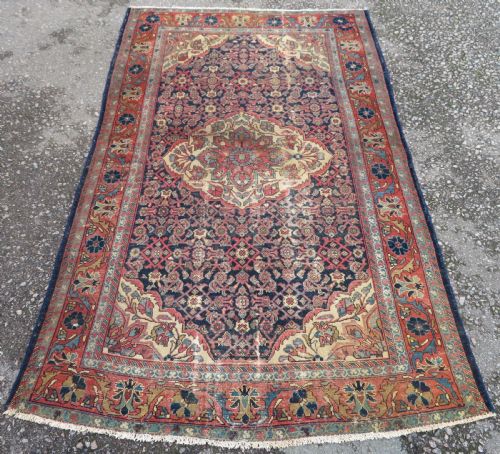
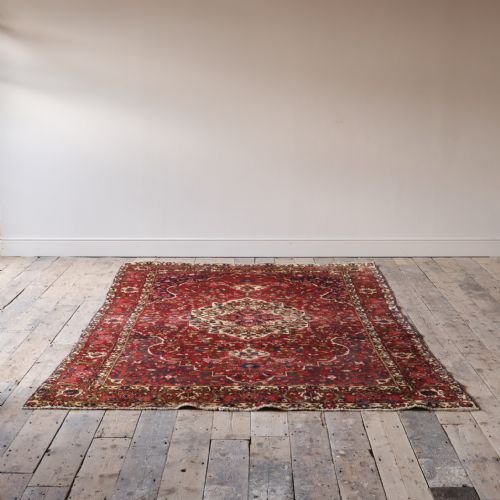
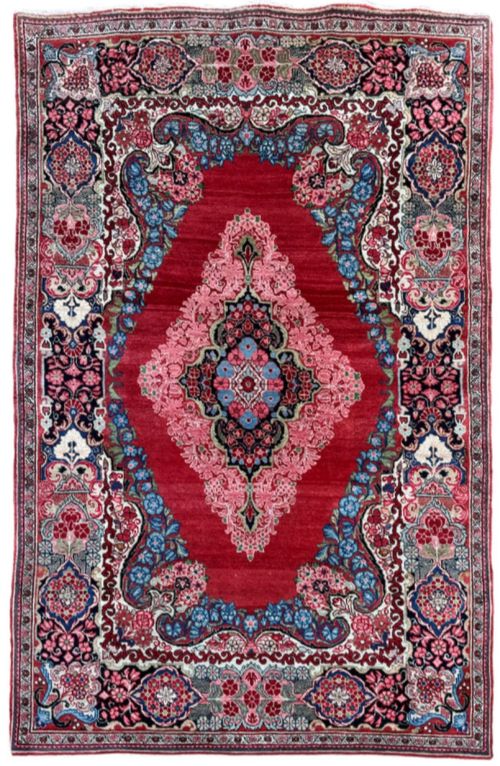
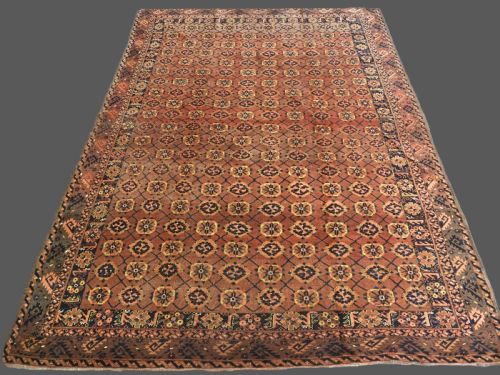
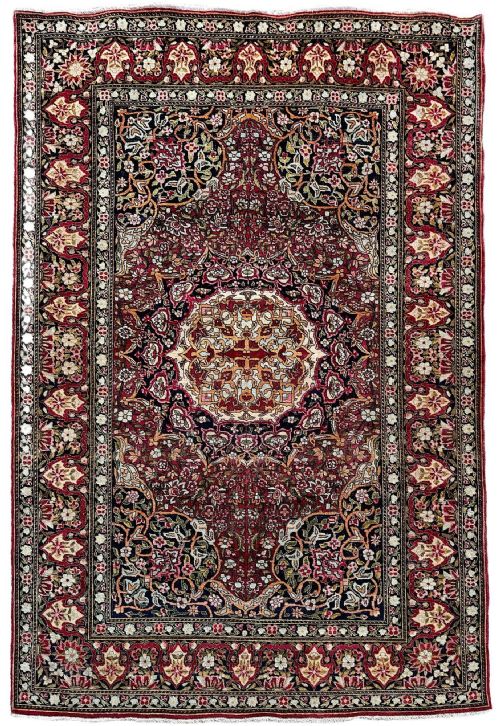
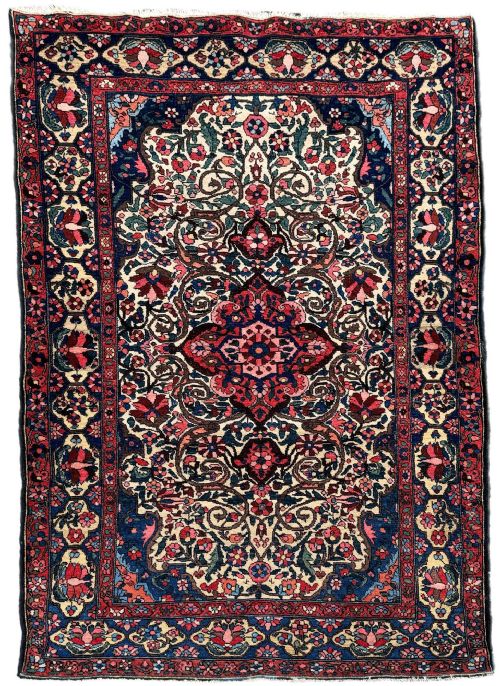
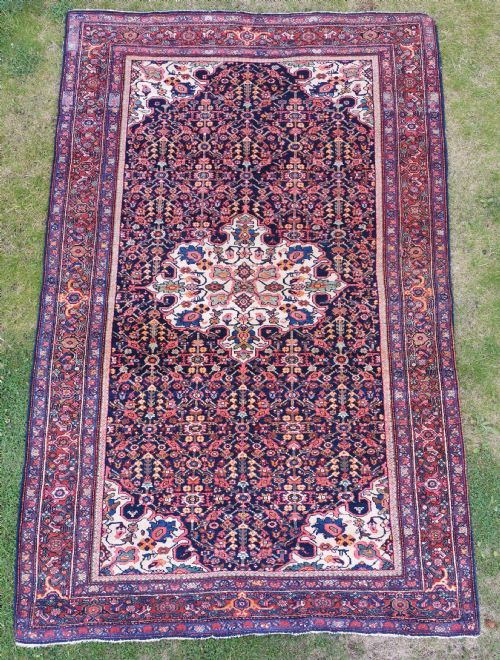
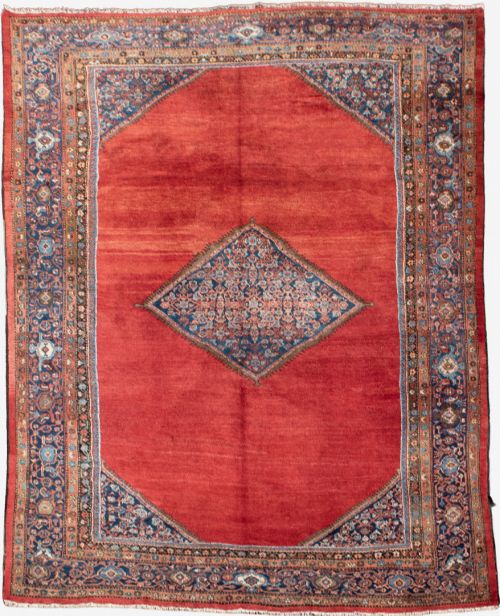
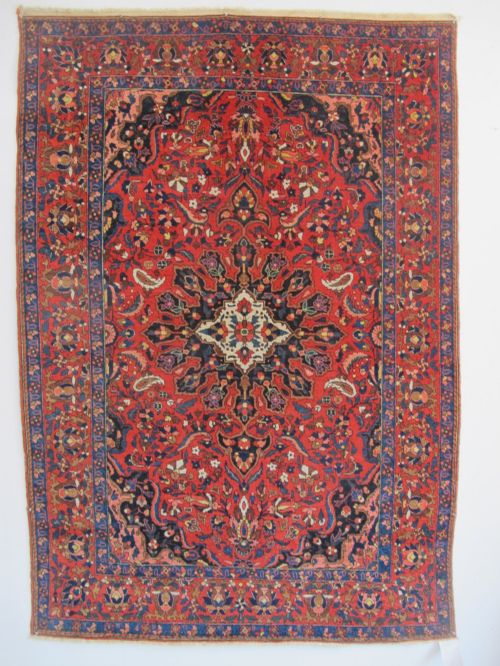
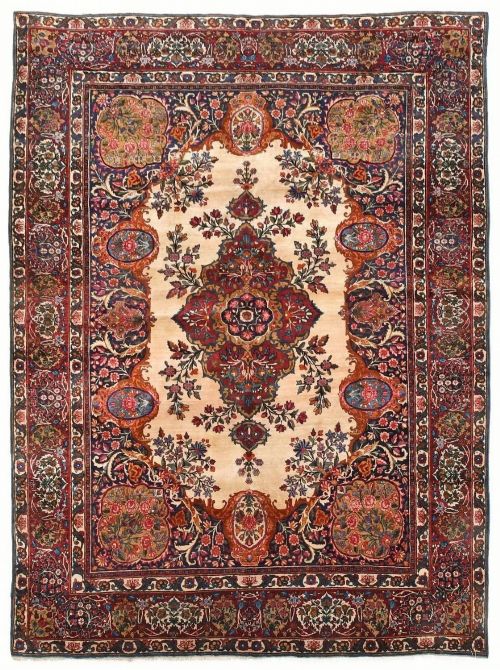
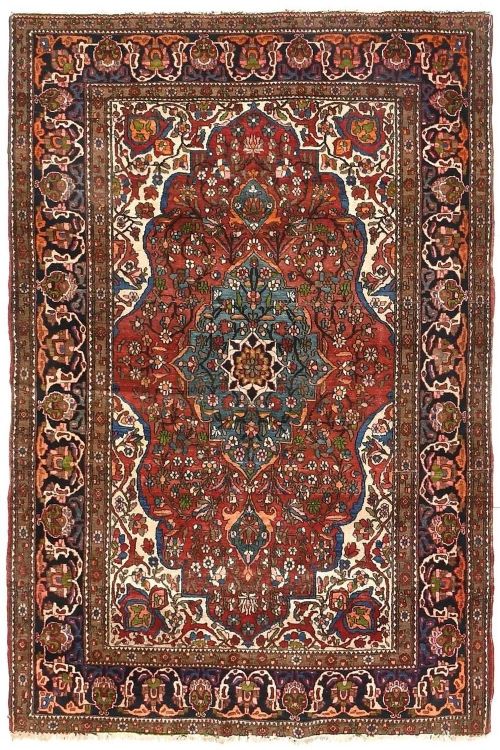
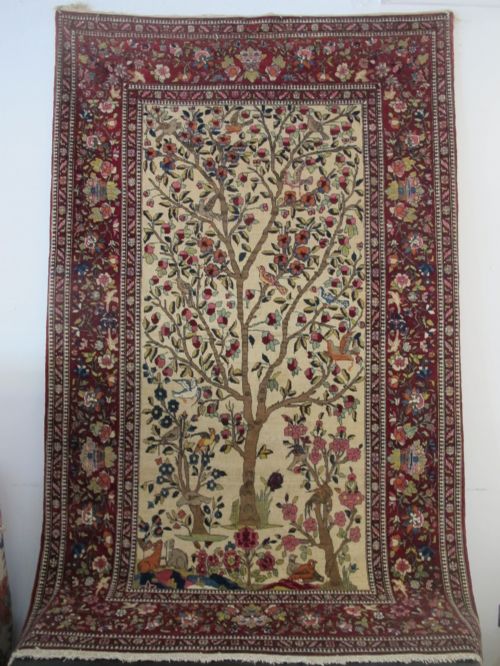
A central persian carpet embodies centuries of textile tradition, originating from weaving centres across Persia during the nineteenth and early twentieth centuries. These floor coverings range from smaller village rugs to room-sized carpets, displaying distinct regional designs such as Sarouk, Isfahan, Tabriz, and Kashan. When exploring a central persian carpet, buyers encounter woven artefacts produced in notable production hubs like Kirman, Bakhtiar, and Bidjar.
The selection here encompasses pieces dating from the nineteenth century through the 1940s, capturing the shift from traditional village workshops to larger commercial output. Forms include standard area rugs, long runner rugs, and substantial room-sized carpets designed for formal drawing rooms and country houses. Each piece reflects the aesthetic of its specific provenance, whether that is the refined medallion patterns of Isfahan or the robust tribal motifs of Bakhtiar weavers.
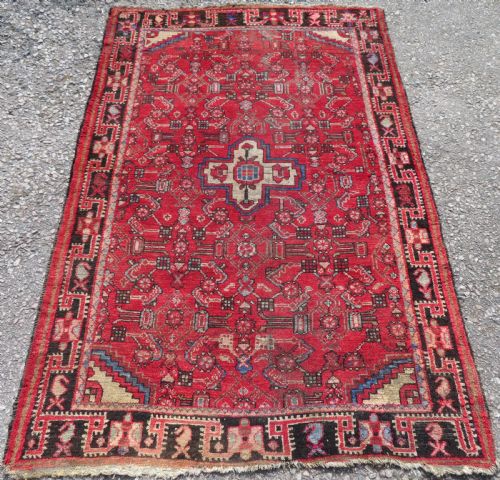
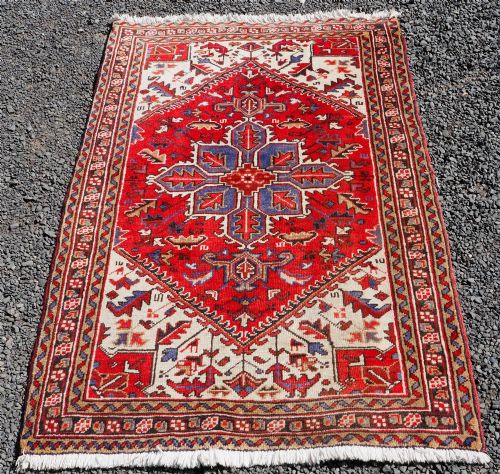
Buyers looking for a central persian carpet will find both finely knotted workshop pieces and sturdier village or tribal weaves such as Qashqai and Hamadan. The variety extends to format and scale, accommodating intimate studies alongside grand entrance halls. Selecting the right example depends on matching the scale and palette of the room to the specific aesthetic tradition of the weaving region.
Materials and construction methods
The foundation of a central persian carpet typically relies on a strong cotton or wool warp and weft, onto which pile yarns are hand-knotted. Weavers utilised natural dyes derived from plants and minerals to colour the wool and silk fibres, producing rich patinas that soften gracefully over time. Pure wool provides a resilient and dense pile, while occasional silk highlights or entirely silk foundations offer a finer texture and luminous surface.
Knitting density varies according to origin, with city workshops like Isfahan and Tabriz employing intricate knotting techniques for precise pictorial and floral details. Village and tribal pieces often display a slightly more robust construction, using thicker wool yarns spun by hand. The interplay between the foundation material and the pile density dictates how the carpet handles foot traffic and how the pile wears across decades.
Central Persian Carpet Retail Price Guide 2026
Typical asking prices for central persian carpet among the pieces listed under this phrase on Sellingantiques today, from the lower quarter to the upper quarter. They describe what is for sale here now, not the wider market.
Village weavers occasionally inserted intentional small irregularities into geometric patterns to ward off the evil eye.
Distinctions in quality and execution
Quality in a central persian carpet rests upon the precision of the knotting, the fineness of the materials, and the integrity of the design layout. Superior examples exhibit high knot density per square inch, allowing complex curvilinear motifs and sharp medallion outlines to remain crisp and legible. The choice of materials also elevates a piece, where lustrous wool or fine silk yields a softer hand and deeper chromatic resonance.
The consistency of the natural dyes and the balance of the overall composition further separate standard pieces from exceptional ones. Master workshops achieved harmonious colour saturation without muddy transitions, ensuring the palette aged gracefully over generations. Structural integrity, including the survival of original borders and selvedges, marks the difference between a heavily restored textile and a well-preserved survivor.
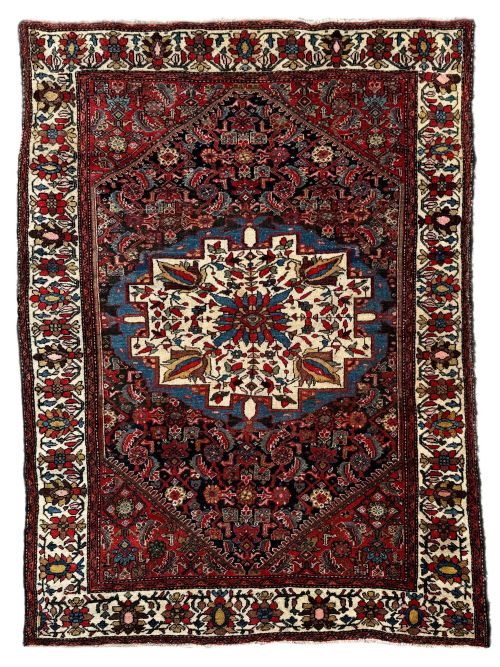
Ahmadi Isfahan
The Central Persian Carpet Glossary
- Warp
- The vertical threads stretched tightly on the loom before weaving begins, forming the foundational skeleton of the carpet.
- Weft
- The horizontal threads passed back and forth through the warp threads to secure the rows of knots in place.
- Pile
- The cut ends of the knotted yarn that form the soft upper surface of the carpet, determining its thickness and feel.
- Medallion
- A symmetrical ornamental design element placed at the absolute centre of the carpet field, often featuring floral or geometric elaboration.
- Selvedge
- The reinforced outer edges of the carpet running parallel to the warp, bound to prevent the sides from fraying.
- Natural dye
- Colourants extracted from organic sources such as plants, roots, and insects rather than synthetic chemical compounds.
Central Persian Carpet: Frequently Asked Questions
How do I clean a central persian carpet?
Routine maintenance requires gentle vacuuming without a rotating brush bar to protect the delicate wool or silk pile. Professional cleaning by a specialist familiar with antique textiles is necessary to address deeper soil and preserve the natural dyes.
Water and harsh commercial detergents must be avoided, as moisture can weaken cotton foundations and cause fugitive colours to bleed. Promptly blotting spills with a dry white cloth prevents permanent staining without disturbing the fibres.
Where were these carpets originally woven?
Production was centered in specific towns, cities, and tribal regions across Persia, each developing distinct aesthetic traditions. Urban centres like Tabriz, Isfahan, and Kashan produced refined workshop carpets, while nomadic and village groups such as the Qashqai and Bakhtiar created bolder, geometric designs.
These geographical distinctions dictated the materials utilised, the knot density, and the typical colour palettes. Understanding the origin helps identify the regional style and workshop practices behind an individual piece.
Are these carpets suitable for heavy traffic areas?
Wool carpets with a dense, sturdy pile withstand moderate foot traffic in living rooms and dining spaces quite well. Selecting a thick village or tribal weave provides the durability needed for busy corridors or family rooms.
Finer silk pieces or very old, delicate room-sized carpets are better suited to low-traffic environments like bedrooms or formal parlours. Using a quality underlay beneath any rug adds cushioning and prevents slipping, extending the lifespan of the foundation.
How can I tell the age of a carpet?
Dating relies on examining the dyes, the materials, the structural wear, and stylistic indicators characteristic of specific decades. The presence of natural dyes often points to pieces produced before synthetic alternatives became widespread in the late nineteenth century.
Structural details such as hand-spun wool and variations in knotting irregularity also provide clues to the period of manufacture. Comparing the design motifs to documented examples from known eras helps narrow down the decade or century of origin.