




Cavalier Portrait Oil Painting
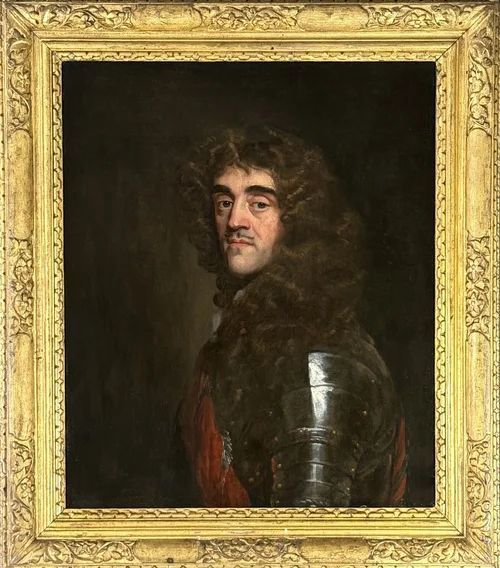
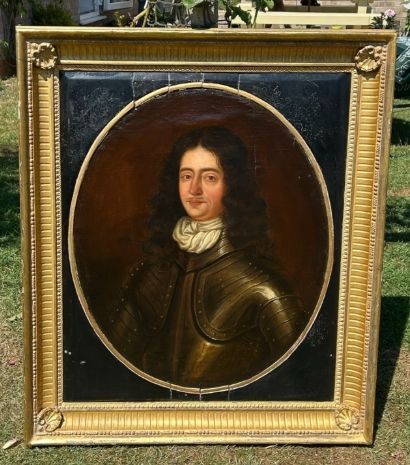
A cavalier portrait oil painting captures the dashing attire and military swagger of seventeenth-century gentlemen or the historicist revivals that followed.
Cavalier Portrait Oil Painting
A cavalier portrait oil painting depicts figures in historic military attire, often featuring armour, flowing hair, and rich sashes associated with the seventeenth century. These works span genuine seventeenth-century origins and later nineteenth-century revivals through academic historicism and provincial English schools.
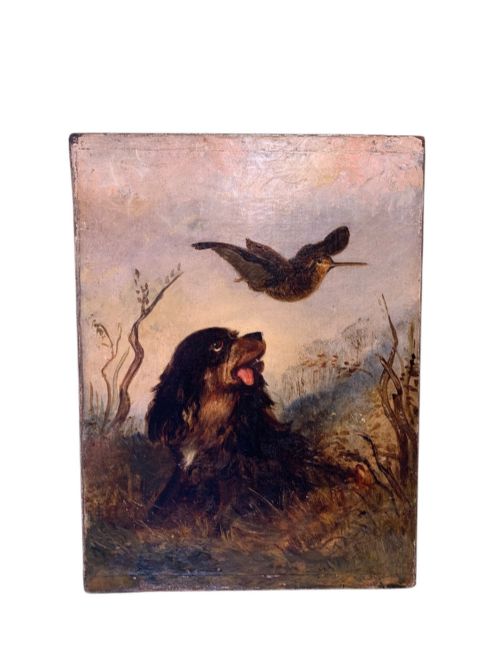
Buyers will encounter half-length compositions on canvas or wooden panel alongside genre historical scenes and canine subjects linked to the theme. The selection includes works from Dutch schools and named historical artists working in distinct historicist styles.
Materials and construction
These works utilise oil pigment applied to stretched canvas or wooden panel supports, capturing fine detail in costume and expression. Frames are frequently formed from giltwood or gilded wood, providing period-appropriate ornamentation.
The technique relies on layered oil application to build rich textures in fabrics such as red sashes and Van Dyck dress. Painters employed traditional glazing methods to achieve depth in armour and drapery.
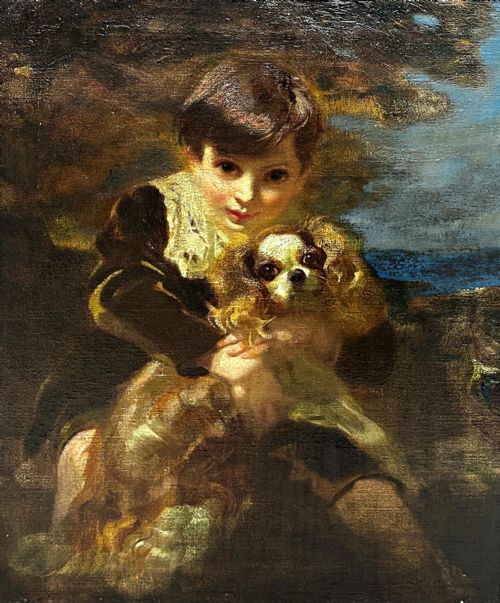
Several portraits cleverly use lapdogs to steal the limelight from stern military commanders.
Assessing quality and execution
The integration of the subject with the background setting distinguishes superior academic or period pieces from simpler provincial works. Original framing in period giltwood also contributes to the integrity of the piece.
John Greenhill·Ernest Crofts·Frank Owen Salisbury·Adolphe Alexandre Lesrel·William Arthur Breakespeare·Cavaliere Alessandro Capalti
The Cavalier Portrait Oil Painting Glossary
- Canvas
- A heavy woven fabric stretched across a wooden frame to serve as a support for oil painting. It provides a slightly textured surface that interacts with the applied pigment.
- Giltwood
- Wood carved and coated with gold leaf or a gold-coloured metallic finish. This material is traditional for framing historical portraits.
- Academic historicism
- An artistic style rooted in rigorous academic training that recreates historical scenes with detailed accuracy. It was particularly popular during the nineteenth century.
- Wooden panel
- A rigid flat piece of timber used as a painting support instead of canvas. Panels were favoured in earlier centuries and offer a smooth surface for minute detail.
Cavalier Portrait Oil Painting: Frequently Asked Questions
What is a cavalier portrait?
A cavalier portrait is an artwork depicting a man dressed in seventeenth-century fashion, typically featuring long hair, a hat with feathers, armour, and a sash.
These pieces range from authentic seventeenth-century creations to nineteenth-century romantic revivals celebrating historical military aesthetics.
How do I identify the period?
Dating relies on examining the canvas preparation, stretcher construction, pigment characteristics, and the style of the frame.
Nineteenth-century historicist works often display academic precision and brighter palettes compared to genuine seventeenth-century originals.
Where were these paintings displayed?
Historically, such portraits hung in country houses, libraries, and formal reception rooms to project lineage, military prestige, or an appreciation for history.
Today, they suit studies, drawing rooms, and traditional interiors seeking a focal point with narrative depth.
Why are dogs included in some portraits?
Dogs, particularly King Charles spaniels, frequently appear in these compositions as symbols of loyalty, companionship, and aristocratic leisure.
Artists sometimes paired human subjects with pets or created dedicated sporting and genre portraits featuring the animals.