

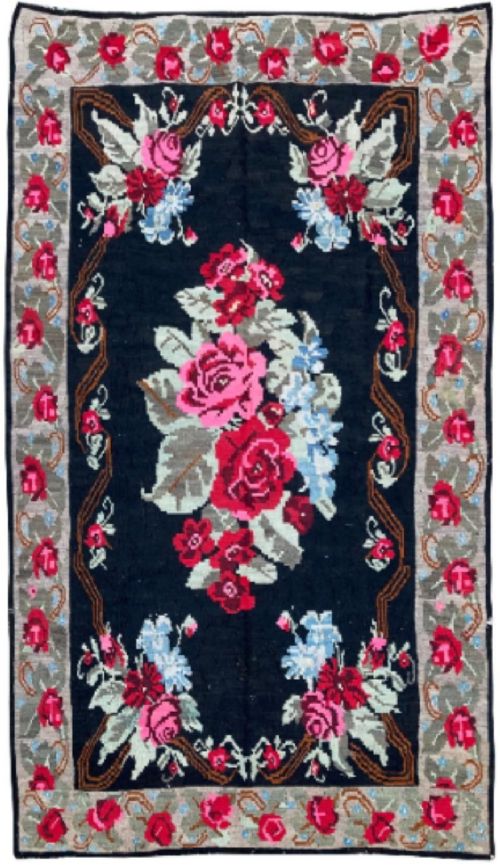
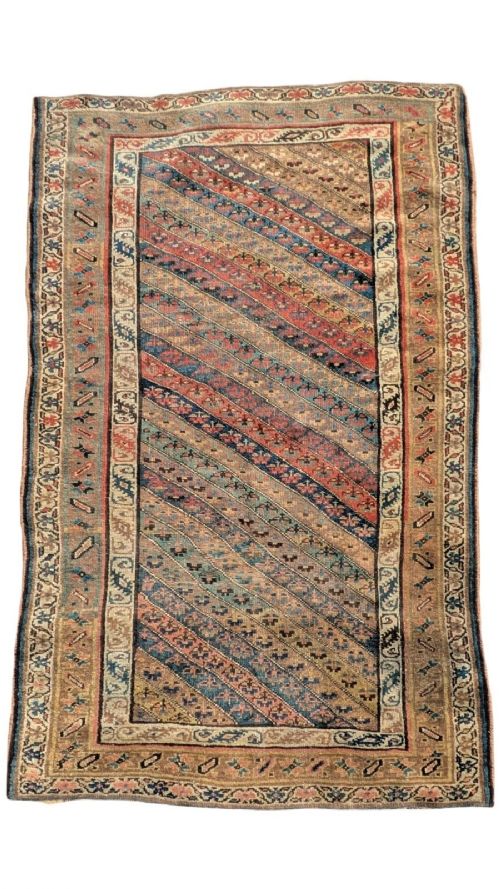
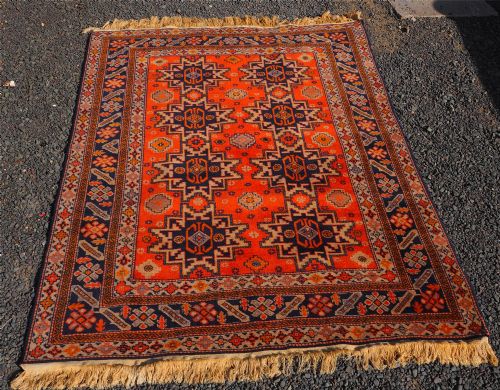
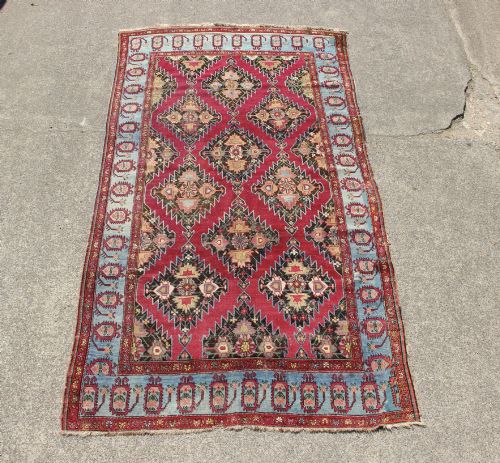
Caucasian Weave Rug
A caucasian weave rug brings centuries of nomadic design tradition and rich regional motifs straight to your floor.
Caucasian Weave Rug
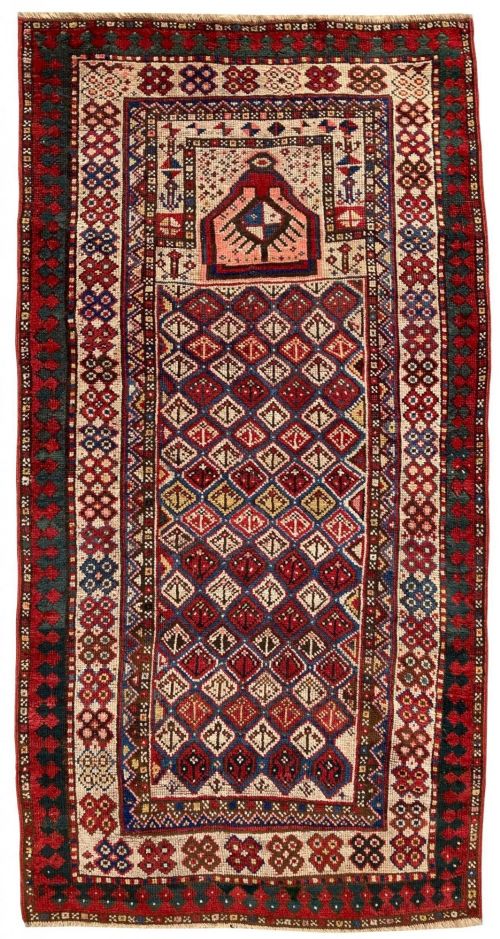
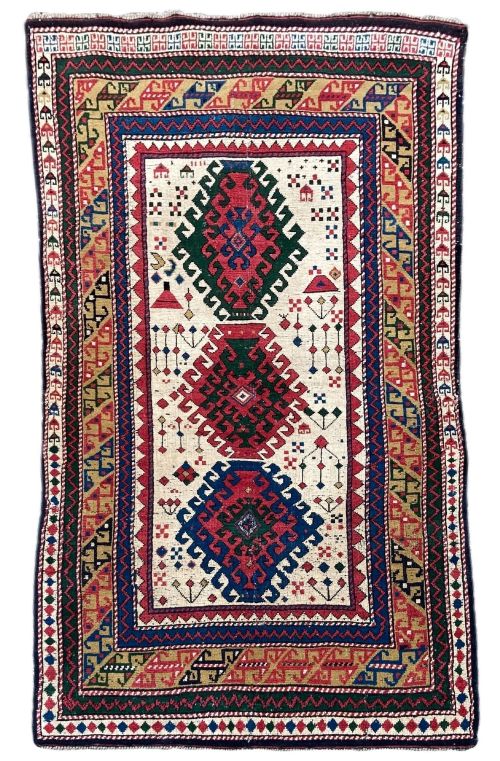
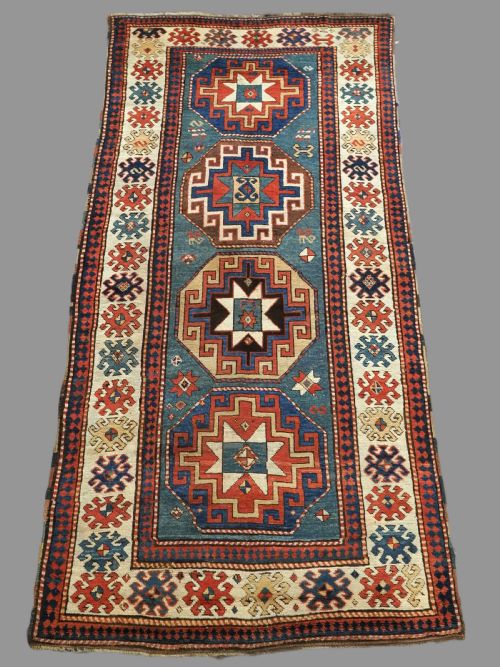
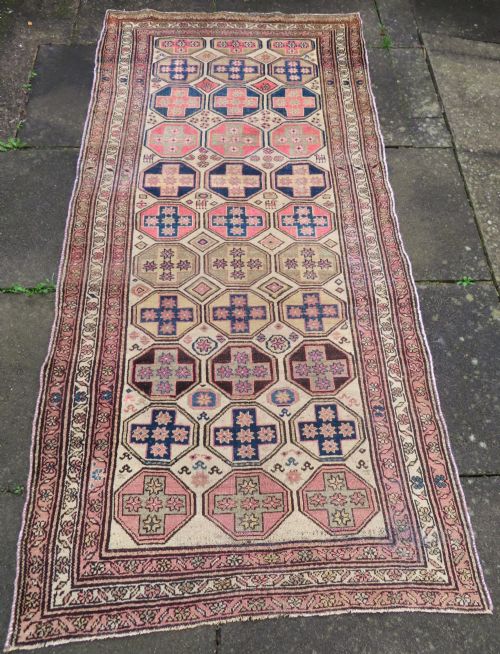
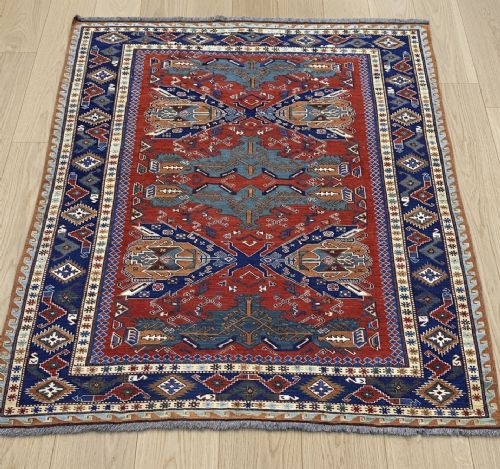
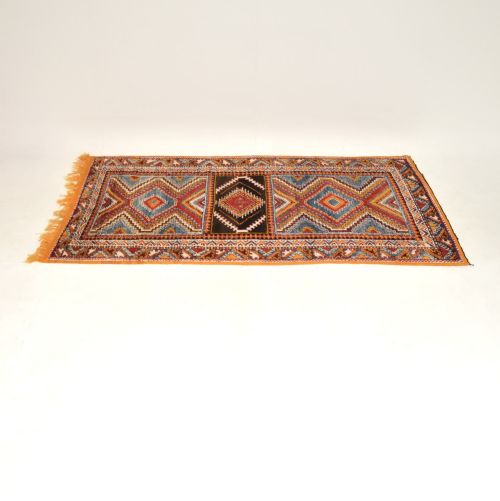
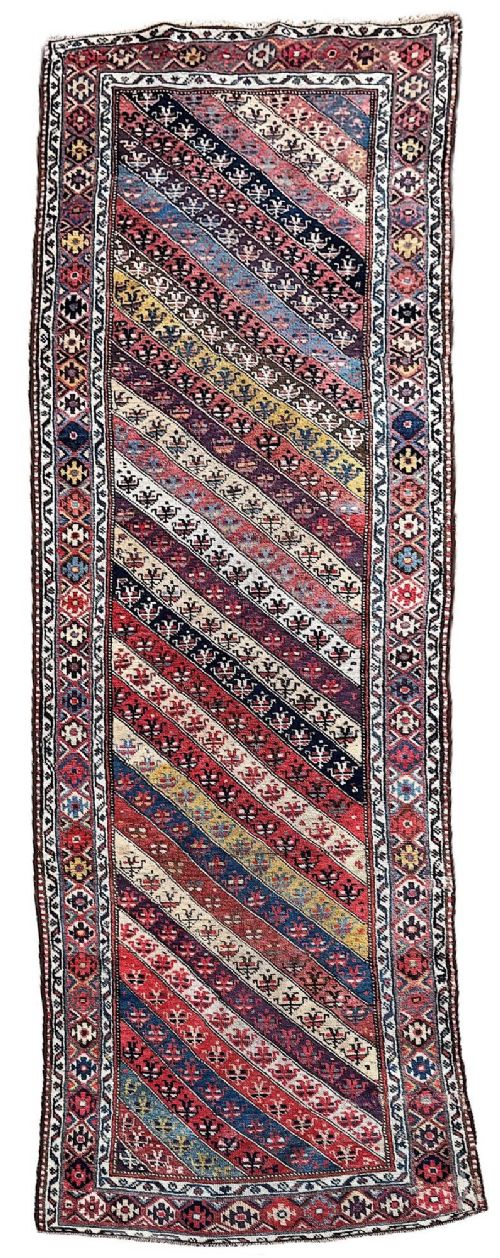
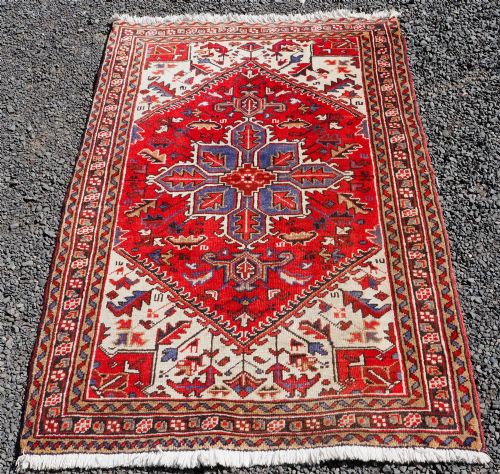
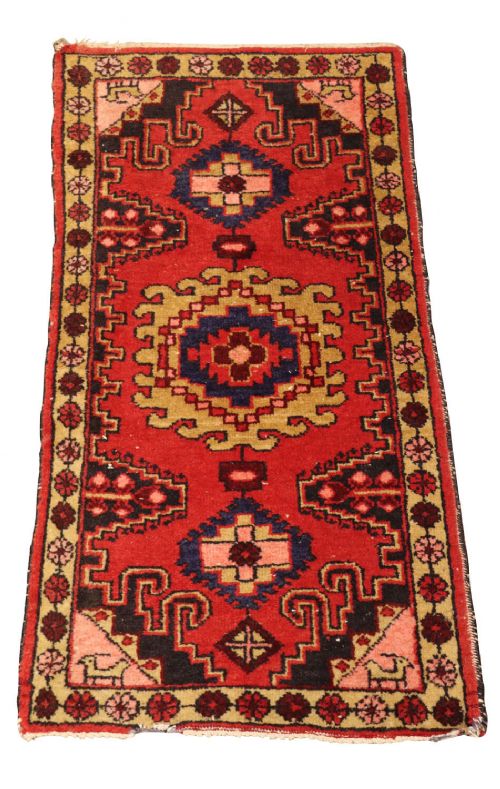
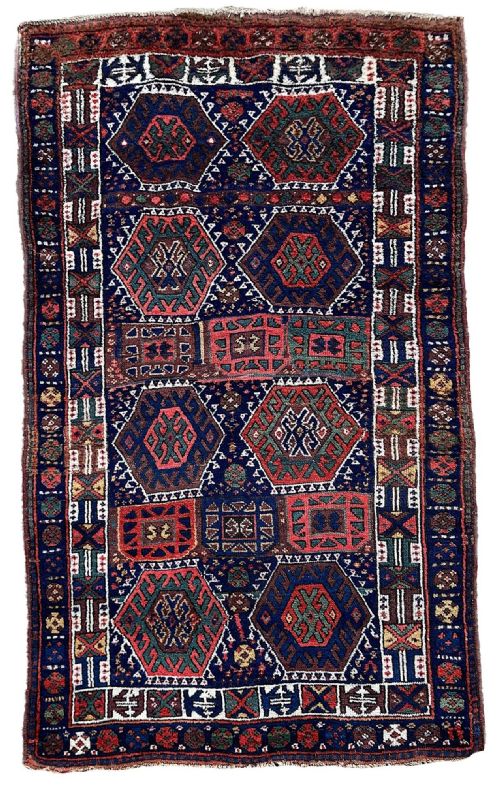
When you search for a caucasian weave rug, you encounter hand-knotted and flat-woven floor coverings originating from the Caucasus region. These textiles include specific regional styles such as Kazak, Gendje, Shirvan, Karabagh, and Soumak pieces.
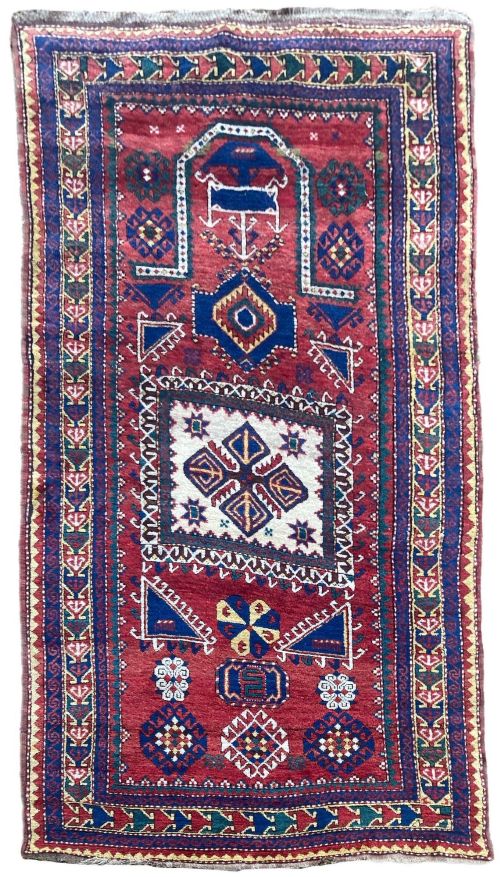
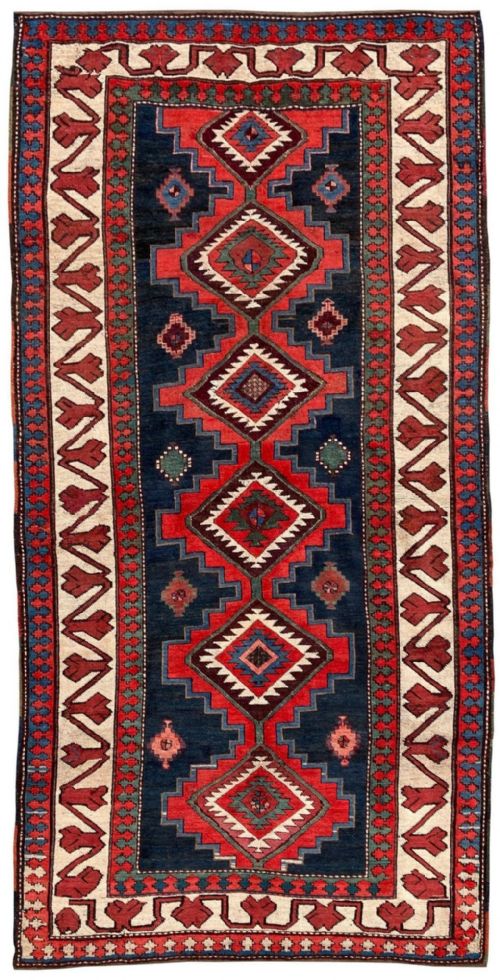
The most common formats found here are traditional area rugs, runners, and village carpets dating from the mid-nineteenth century through the early twentieth century. Many examples display geometric medallions, animal motifs, and prayer designs characteristic of tribal and nomadic production.
Makers utilised local weaving traditions passed down through generations in mountainous districts. The resulting floor coverings range from compact saddle-bags and kelims to large room-sized carpets.
Materials and Construction
Weavers constructed these textiles predominantly using wool and hand-spun wool for the pile and foundation, often combined with cotton foundations in later pieces. Natural dyes provided the deep reds, blues, greens, and yellows that define the palette of these village and tribal works.
Production techniques include both dense pile knots and flat-weaving methods such as Soumak work, where supplementary weft-wrapping creates a durable, tapestry-like surface. Wooden looms set up in nomadic camps or village homes supported the slow process of building each intricate geometric pattern.
Caucasian Weave Rug Retail Price Guide 2026
Typical asking prices for caucasian weave rug among the pieces listed under this phrase on Sellingantiques today, from the lower quarter to the upper quarter. They describe what is for sale here now, not the wider market.
Listings feature periods spanning from the mid-nineteenth century to the 1930s, utilising wool, cotton, silk, and natural dyes.
Factors of Quality
Quality in these textiles depends heavily on the precision of the knotting, the handle of the wool, and the purity of the natural dyes. Tighter knot counts allow for sharper geometric definition in medallions and border motifs.
The stability of the foundation and the preservation of original wool pile also determine durability and longevity. Pieces retaining rich, uncompromised dye colours show greater visual depth across the surface.
The Caucasian Weave Rug Glossary
- Kazak
- A type of rug produced by various tribes in the central and southern Caucasus, known for bold geometric patterns and strong primary colours.
- Soumak
- A flat-weave technique involving a wrap-stitch method that creates a durable fabric without a cut pile.
- Kilim
- A tapestry-woven carpet or rug produced without a pile, featuring flat surfaces and sharp geometric designs.
- Prayer Rug
- A textile featuring a central mihrab or niche design, traditionally used for individual daily prayers.
- Gendje
- A style of carpet from the town of Gendje in the eastern Caucasus, often characterised by repeated diagonal or star motifs.
Caucasian Weave Rug: Frequently Asked Questions
How do I identify a Kazak rug?
Kazak rugs are distinguished by bold geometric medallions, primary colour palettes of red, blue, and ivory, and relatively thick wool piles. They originate from specific tribal groups in the Caucasus mountains during the nineteenth and early twentieth centuries.
Look for large octagons, hooked polygons, and distinct animal or human motifs within the field. The wool is typically lustrous and hand-spun, showing minor irregularities that point to traditional village production.
What is the difference between a rug and a kilim?
A traditional pile rug is created by knotting individual strands of wool to a foundation warp and weft, producing a soft, fuzzy surface. A kilim is a flat-weave textile with no pile, constructed by tightly interlacing warp and weft threads.
Because kilims lack a pile, they are lighter and thinner, functioning well as floor coverings, wall hangings, or decorative covers. Both styles utilise wool, cotton, and natural dyes common to Caucasian and Persian tribal weaving.
Where were these textiles made?
These pieces were produced across the Caucasus region, encompassing areas that modern geography divides among Armenia, Azerbaijan, Daghestan, and Georgia. Nomadic confederations and village weavers in districts like Shirvan, Karabagh, and Kazak created these works.
Local sheep provided the wool, while regional plants and minerals supplied the natural dyes used in the workshops. Each district developed distinct weaving structures and symbolic motifs.
How should I care for an antique rug?
Protect antique wool textiles by vacuuming gently without a rotating beater bar to avoid pulling the hand-knotted pile or fragile warp threads. Keep the piece out of direct, intense sunlight to prevent fading in natural dye colours.
Rotate the rug periodically to ensure even wear across high-traffic areas. Professional cleaning tailored to antique wool is recommended when deep maintenance is required.