





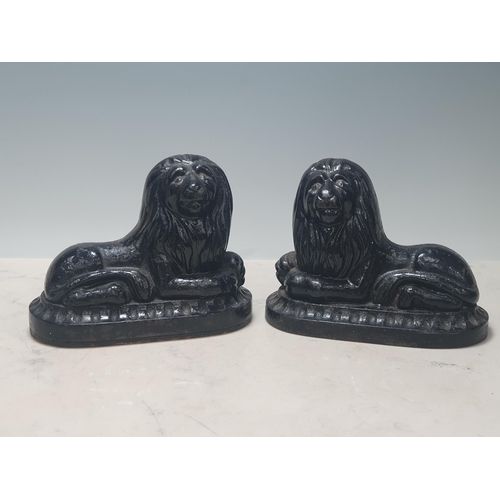
Cast Metal Lion Sculpture
These cast metal lion sculpture pieces bring a commanding presence to an interior, built from sturdy materials meant to endure.
Cast Metal Lion Sculpture
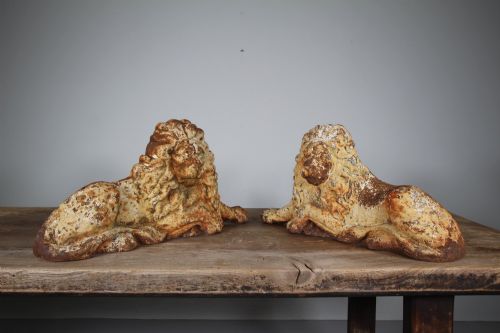
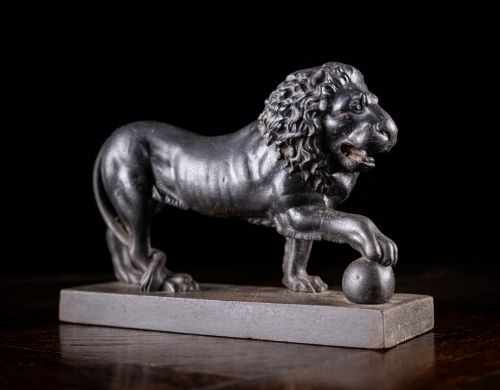
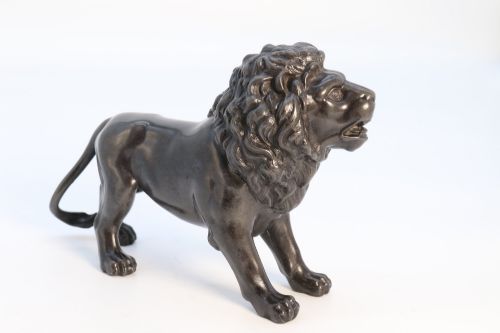
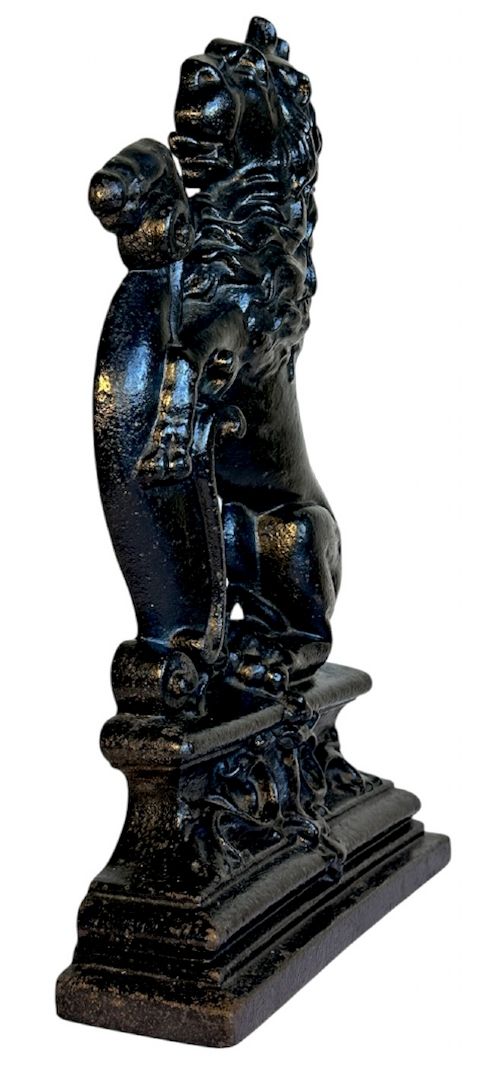
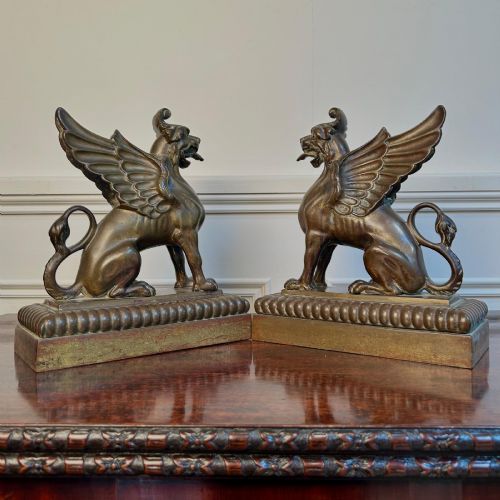
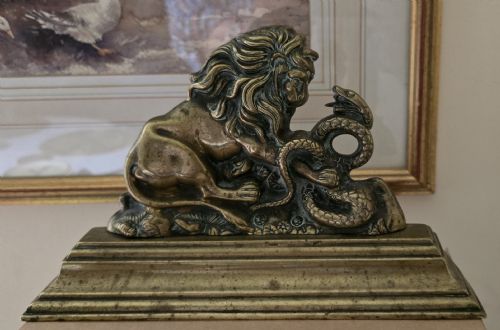
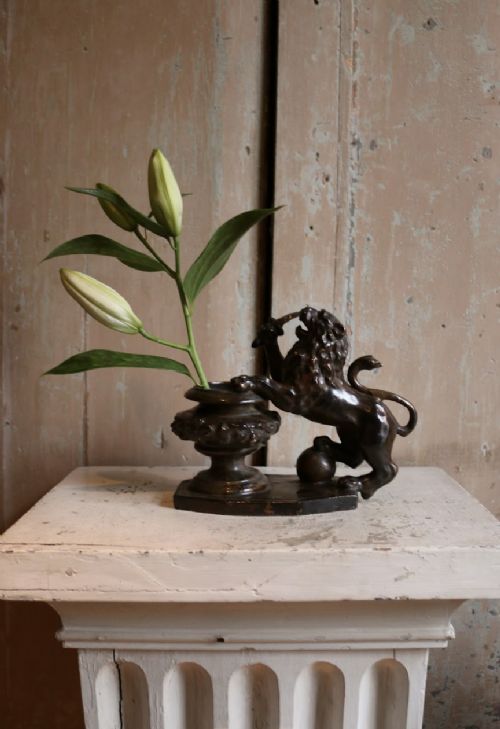
A cast metal lion sculpture serves primarily as functional decor, appearing frequently on this page in forms such as doorstops, door porters, bookends, inkwells, and freestanding figures. The pieces draw upon historical motifs including Regency, Victorian Gothic Revival, Baroque, and Neoclassical Revival aesthetics.
Makers shaped these subjects across the nineteenth and early twentieth centuries, utilising materials ranging from cast iron and bronze to brass and pewter. You will encounter both single figures and matched pairs designed for domestic utility and display.
Materials and production methods
Working with heavier metals required skilled pattern-making and casting techniques to ensure balanced proportions, particularly in functional items like doorstops and door porters that needed substantial weight at the base.
Cast Metal Lion Sculpture Retail Price Guide 2026
Typical asking prices for cast metal lion sculpture among the pieces listed under this phrase on Sellingantiques today, from the lower quarter to the upper quarter. They describe what is for sale here now, not the wider market.
Listings feature works cast in bronze, cast iron, brass, and pewter across the nineteenth and early twentieth centuries.
Assessing quality in metalwork
Quality reveals itself in the crispness of the casting and the sensitivity of the finishing work, where finer pieces display sharp definition in the fur and claws rather than smoothed-over surfaces. The weight of the metal and the stability of the stance also indicate the care taken during production.
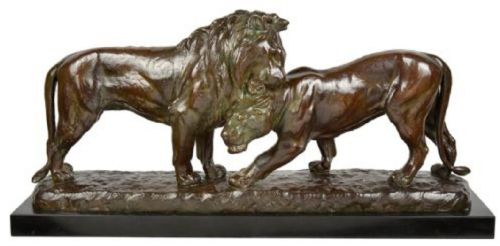
The sophistication of the design dictates the upper tier of these works, distinguishing standard utilitarian doorstops from finely chased bronze studies and patinated figures produced by established artisans.
C Omin·Louis Riche
The Cast Metal Lion Sculpture Glossary
- Patina
- The surface sheen and coloration developed through age and handling. It indicates the natural weathering of bronze, brass, or iron over decades.
- Door porter
- A heavy moveable doorstop fitted with an upright handle. This form allows the object to be easily carried and placed against heavy interior doors.
- Recumbent
- Lying down while keeping the head raised. This specific posture is common among cast iron and bronze lion figures designed for hearths or portals.
- Chasing
- The manual refinement of a metal casting using small hammers and punches. Artisans use this technique to sharpen surface details after the piece leaves the mould.
Cast Metal Lion Sculpture: Frequently Asked Questions
How do I use a heavy door porter?
Place the piece directly against the interior door using the upper handle to hold it firmly in position against drafts.
The substantial weight of the cast iron or bronze keeps the heavy portal stable without damaging the flooring.
Where should I place bronze bookends?
Position the pair at either end of a row of heavy volumes on a sturdy shelf or desk surface.
The dense metal provides the necessary friction to keep large books upright and organised.
How do I care for cast iron?
Dust the surface regularly with a dry cloth and avoid placing the object in damp environments to prevent rust.
Applying a light microcrystalline wax helps protect the painted or bare metal finish over time.
What defines Neoclassical Revival style?
This aesthetic draws heavily on classical Greek and Roman motifs, emphasising symmetry, dignity, and classical restraint in sculptural forms.
Lion figures from this tradition often mirror ancient heraldic poses and monumental architectural elements.