





Cast Metal Bookends
Cast metal bookends hold your volumes steady while bringing heavyweight presence and sculptural weight to any desk or shelf.
Cast Metal Bookends
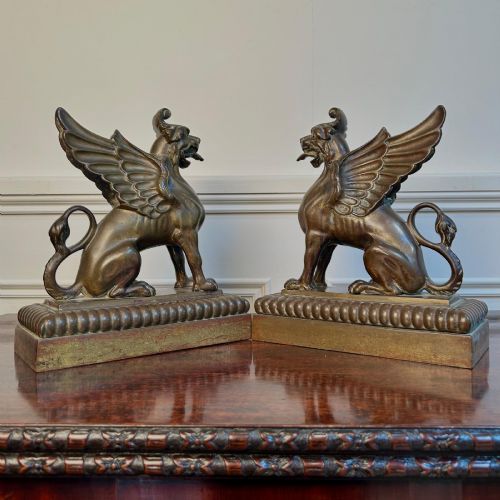
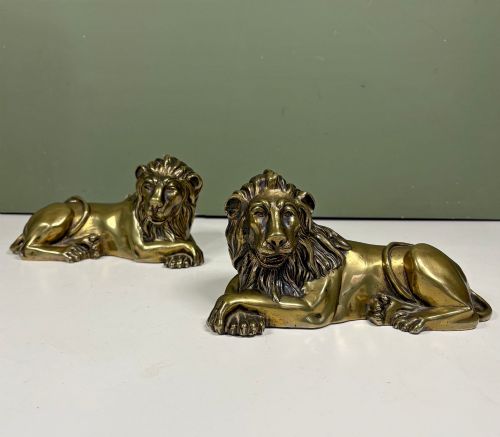
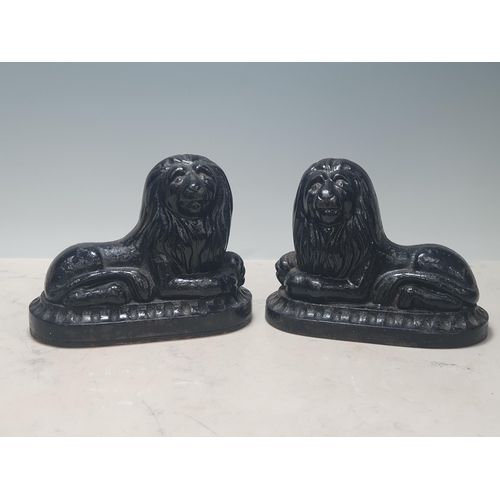
Cast metal bookends represent a sturdy class of heavy supports designed to keep rows of books upright through sheer weight and robust construction. The examples collected under cast metal bookends include substantial pairs shaped as lions, griffins, bulldogs, and literary figures.
Most entries span the nineteenth and early twentieth centuries, drawing on Victorian, Art Deco, and Neoclassical styles. You will find pieces cast in bronze, brass, iron, and patinated metal, often mounted on heavy bases.
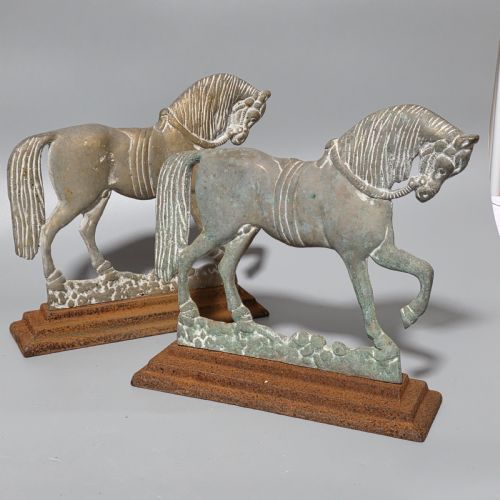
Moulded animal figures dominate the selection, ranging from Grand Tour classical lions to painted French foo dogs and sea lions. These utilitarian objects double as small sculptures that reflect the decorative tastes of their respective periods.
How they were made
Foundries produced these items using traditional casting methods in bronze, brass, and cast iron, pouring molten metal into detailed moulds. The resulting heavy blanks received hand-finishing, patination, or surface paint to accentuate the sculptural details.
Certain specimens feature cold-painted bronze finishes applied after the initial casting process, while others rely on the natural dark patina of aged bronze or iron. Heavier iterations incorporate marble or wood elements to add extra ballast at the base.
Materials represented in the current selection include bronze, cast iron, brass, marble, wood, and patinated metal.
What varies in quality
The choice of base material also dictates the tactile appeal and overall heft of the object. Solid bronze and heavy brass command attention through their substantial weight and enduring surfaces, distinguishing them from lighter painted iron equivalents.
C Omin
The Cast Metal Bookends Glossary
- Cast iron
- An iron-carbon alloy poured into a mould to create rigid, heavy objects. It provides the heavy ballast needed to support large rows of books without tipping.
- Patinated metal
- Metal treated with chemicals or heat to produce a rich surface colour and protective finish. This process highlights the sculptural contours of the casting.
- Cold painted
- A method where paint is applied to cold bronze without subsequent firing. This technique allows for detailed polychrome decoration on small animal sculptures.
- Grand Tour
- A cultural journey of Europe undertaken by wealthy young men in the eighteenth and nineteenth centuries. It popularised miniature bronze copies of classical antiquities and sculptures.
Cast Metal Bookends: Frequently Asked Questions
What metals are used for these bookends?
These supports utilise bronze, brass, and cast iron, sometimes enhanced with patinated finishes or cold-painted colours. Some pairs incorporate marble or wood bases to increase overall weight.
Heavier metals ensure the objects stay firmly planted when holding up heavy volumes on a shelf.
How do I date a pair?
Dating relies on stylistic clues, material finishes, and casting techniques characteristic of periods like the Victorian era or Art Deco. Nineteenth-century examples often lean towards classical animal subjects and heavy brass.
Later twentieth-century pieces frequently adopt streamlined Art Deco motifs and distinct portrait figures like William Shakespeare.
Were these always meant to hold books?
Many foundries produced heavy metal castings that served multiple decorative purposes around the home, including doorstops and desk ornaments. Similar lion and dog designs appear interchangeably as door porters and shelf supports.
Their substantial weight made them equally suitable for keeping heavy ledgers upright or propping open interior doors.
How do I care for cast metal?
Maintenance requires gentle dusting with a soft, dry cloth to protect the original patinated surface or paintwork. Avoid using abrasive cleaning agents or polishes that might strip away historic finishes.
Keeping them in stable indoor conditions prevents moisture from affecting iron components and painted details.