




Cast Metal Arms
These cast metal arms bring heavy heraldic presence, lighting, and sculptural weight to a room through bronze, iron, and brass.
Cast Metal Arms
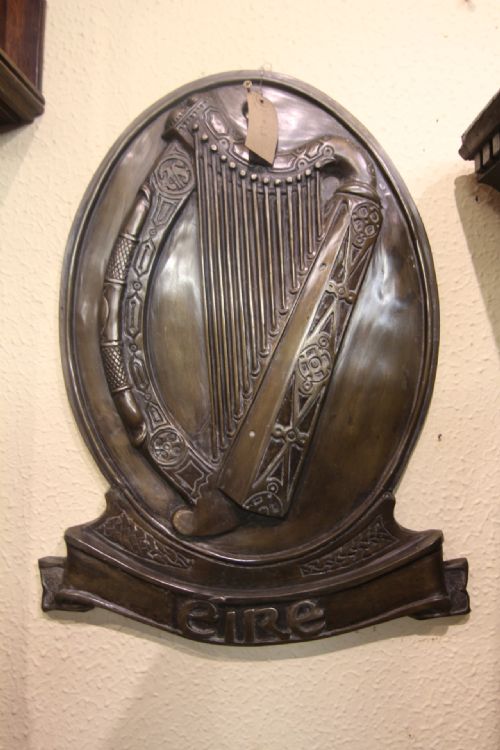
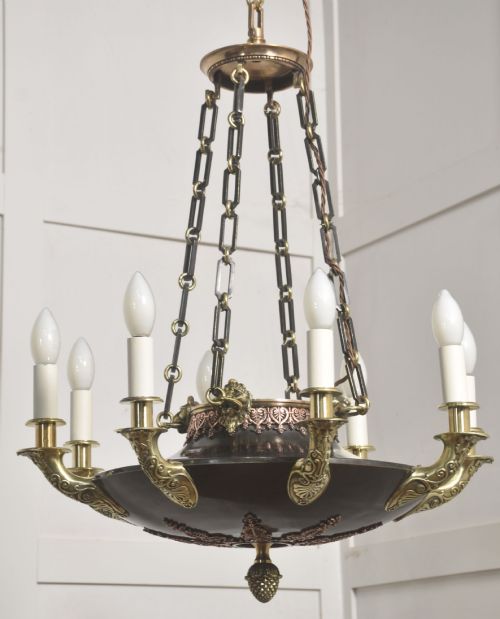
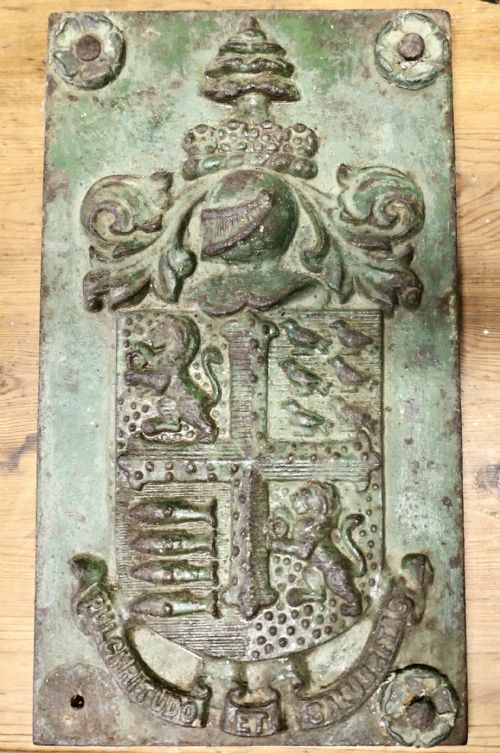
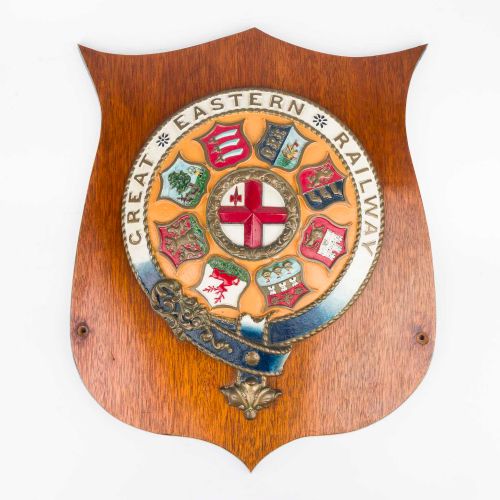
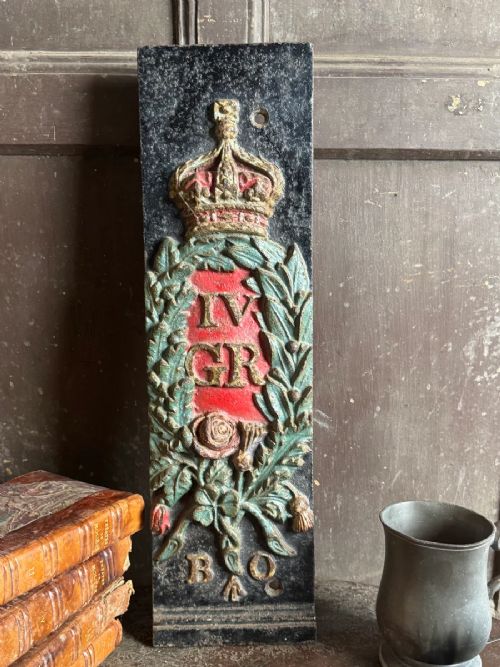
When you search for cast metal arms, you encounter a varied assembly of heavy wall plaques, armorial crests, chandeliers, and lighting fixtures spanning multiple centuries. The selection ranges from nineteenth-century iron and bronze heraldic shields to twentieth-century brass wall lights and desk lamps.
You are most likely to meet nineteenth-century cast iron and bronze pieces on this page, often bearing coats of arms or configured as multi-armed wall sconces and chandeliers. These objects draw on Victorian, Edwardian, and earlier revival styles, reflecting civic pride, military ordnance, or domestic illumination.
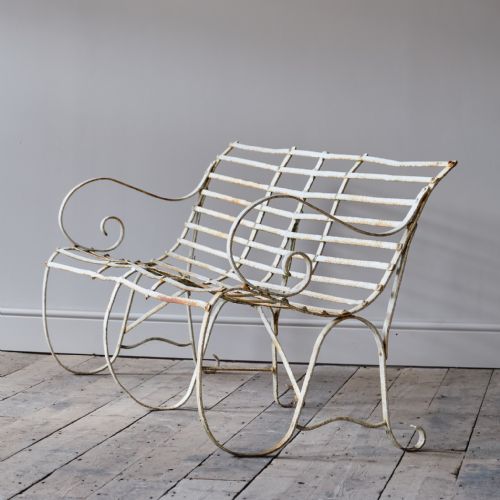
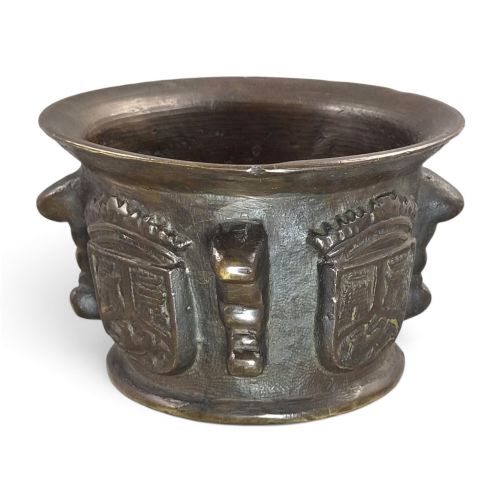
The objects also encompass smaller sculptural forms, such as Grand Tour bronze models of human forearms, apothecary mortars, and garden benches utilising iron strap work. Each piece relies on the rigidity and durability of cast metal to hold fine detail, whether in a municipal crest or the branching arms of a light fitting.
Distinctions in quality
Material composition and surface treatment further define the upper tier of the range. Solid bronze and heavy cast iron with period patinas or deliberate surface gilding outclass later, lighter alloys and utilitarian castings that lack the definition and substantial weight expected of fine metalwork.
Cast Metal Arms Retail Price Guide 2026
Typical asking prices for cast metal arms among the pieces listed under this phrase on Sellingantiques today, from the lower quarter to the upper quarter. They describe what is for sale here now, not the wider market.
One exceptional piece freezes a moment in time: an Italian Grand Tour bronze model of a child's hand.
Hawkins
The Cast Metal Arms Glossary
- Armorial
- Relating to heraldry or armorial bearings. These plaques and crests display specific family or institutional coats of arms.
- Patina
- The surface sheen or coloration developed through age and chemical treatment. A natural patina enhances the visual depth of bronze and cast iron pieces.
- Ormolu
- Gilded bronze utilised in decorative French mounts and light fittings. This finish provides a bright, luxurious metallic surface.
- Sconce
- A wall-mounted lighting fixture with multiple arms or candle holders. These fixtures project light outward using cast metal brackets.
- Mortar
- A heavy bowl used with a pestle for grinding materials, frequently cast in bronze. Antique examples often feature decorative armorial friezes.
Cast Metal Arms: Frequently Asked Questions
What are cast metal arms?
These pieces comprise structural architectural plaques, armorial crests, and multi-armed lighting fixtures formed from bronze, iron, and brass. They serve both decorative and functional roles in interiors.
Items range from heavy municipal iron coats of arms to domestic bronze wall lights and chandeliers dating across several centuries.
How do I date a cast iron plaque?
Dating relies on stylistic clues, such as Victorian or Edwardian heraldic motifs, alongside the specific texture and finish of the cast iron. Municipal and military pieces often reference specific historical regiments or railways.
Maker signatures or specific casting marks, when present, help narrow down the period of production between the eighteenth and twentieth centuries.
Where should I hang a heavy bronze crest?
Due to the substantial weight of solid bronze and cast iron plaques, secure wall fixings directly into studs or masonry are essential. They suit entrance halls, libraries, or studies where their architectural presence commands attention.
Ensure the mounting bracket matches the load-bearing capacity of the specific piece, particularly for larger armorial shields.
How do I care for antique brass and bronze?
Maintenance requires gentle dusting with a soft cloth to protect the historical patina and surface finishes like paint or silverplating. Avoid abrasive cleaners that strip away the aged character of the metal.
Keeping the pieces in stable indoor environments prevents moisture damage and preserves the original cast surface details.