



Cast Iron Mirror
A cast iron mirror brings heavy sculptural weight and robust industrial character to an interior.
Cast Iron Mirror
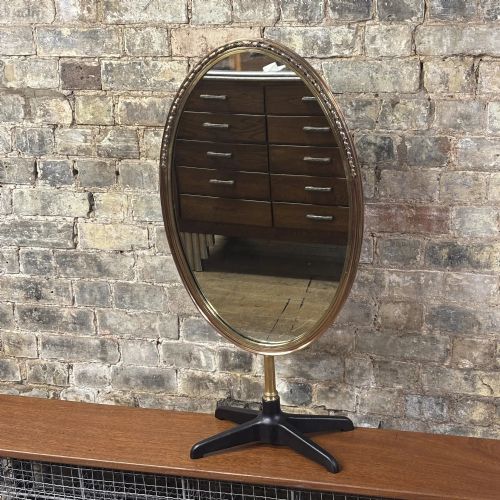
A cast iron mirror combines rigid metal framing with reflective glass, spanning wall-mounted pieces, large overmantels, and dressing accessories. These objects emerge frequently from nineteenth-century Victorian and Edwardian workshops, alongside industrial and Rococo Revival forms.
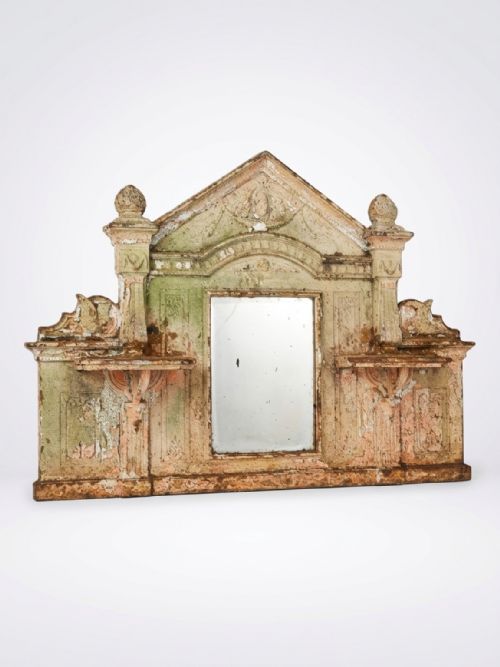
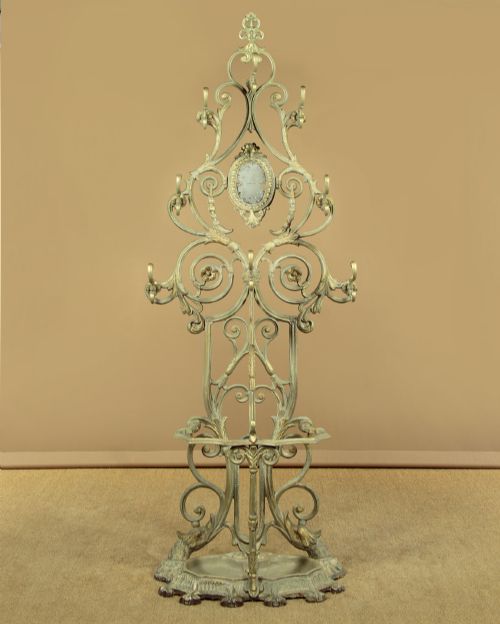
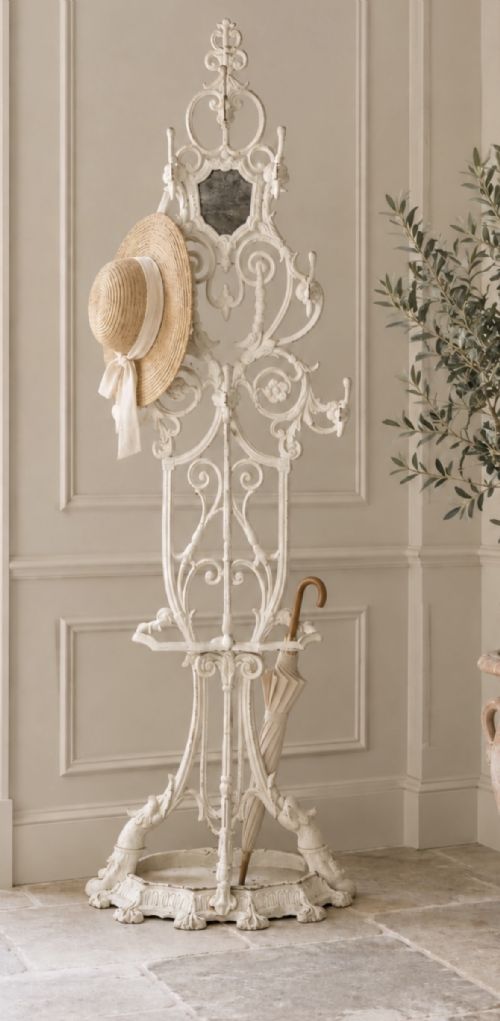
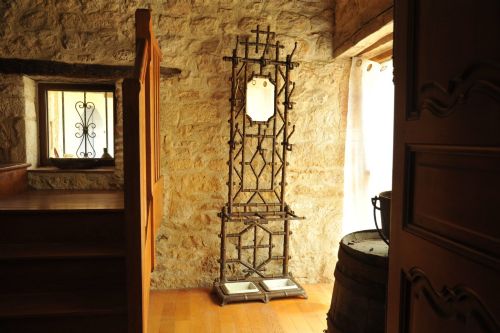
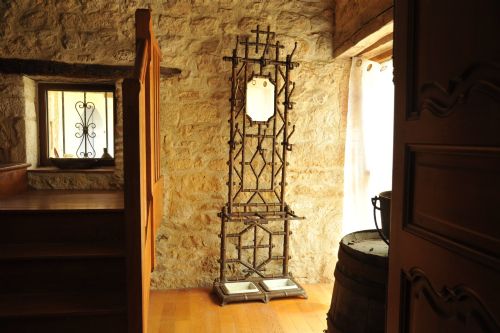
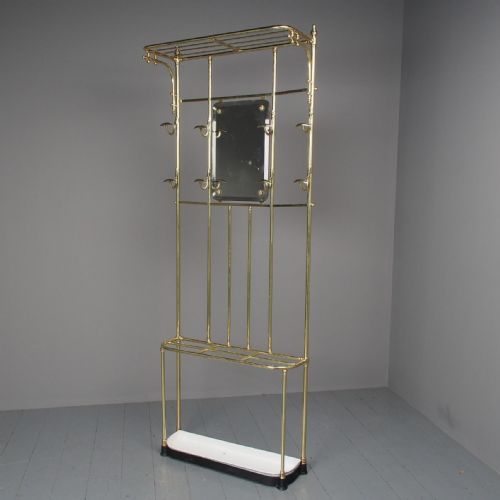
Buyers often encounter heavy wall mirrors and overmantel pieces designed for principal rooms, sometimes incorporating integrated coat hooks or umbrella stands in hall furniture. The selection ranges from domestic wall sconces and window mirrors to grand architectural frames.
Origin influences style significantly, with French and American pieces appearing alongside British works. Victorian examples often display ornate scrollwork, cherubs, or specific foundry inscriptions.
Materials and casting techniques
Foundries poured molten iron into sand moulds to create intricate relief decoration, achieving crisp surface detail that lighter metals could not hold. Craftsmen then finished the heavy frames with painted surfaces, sometimes incorporating brass fittings or marble elements.
Mirror glass is fitted behind the robust metal aperture, occasionally paired with secondary materials like faux bamboo moulding or decorative friezes. The sheer density of the metal required sturdy structural bracing, particularly for large overmantel and hall stand formats.
Some hall stands double as umbrella storage, proving that even a heavy iron mirror can help manage a rainy day.
Defining factors of quality
Quality rests in the crispness of the cast relief and the depth of the decorative moulding, where superior foundries produced sharp, undercut details rather than soft contours. Maker attribution, such as work from Coalbrookdale, elevates certain pieces through documented foundry design and clear markings.
The integrity of the original surface finish and the retention of secondary materials like brass hooks or fitted marble bases distinguish finer examples. Proportion and structural completeness, particularly in large overmantels and hall stands, determine the overall presence of the piece.
Coalbrookdale
The Cast Iron Mirror Glossary
- Overmantel mirror
- A large horizontal mirror designed specifically to hang on the wall directly above a fireplace mantelpiece. These pieces often feature decorative friezes and scroll tops.
- Faux bamboo
- A decorative moulding technique that imitates the segmented stalks of natural bamboo. This style appears frequently on nineteenth-century French hall stands and mirror frames.
- Coalbrookdale
- A famous nineteenth-century Shropshire ironworks known for producing highly decorative cast iron furniture, umbrella stands, and mirrors. Their pieces often bear registration marks or foundry stamps.
- Rococo Revival
- A nineteenth-century design style characterised by asymmetrical scrollwork, naturalistic shell motifs, and flowing curves. This aesthetic heavily influenced ornate mirror frames of the period.
Cast Iron Mirror: Frequently Asked Questions
How do I hang a heavy cast iron mirror?
Because of the considerable weight of the metal frame and glass, these mirrors require heavy-duty fixings secured directly into structural wall studs or masonry.
Professional installation is recommended to ensure the wall anchors can safely support the load without slipping.
Where should I place a cast iron overmantel mirror?
An overmantel mirror sits naturally above a fireplace, reflecting light and anchoring the proportions of the chimney breast.
They also function effectively on large expanse walls in hallways or living spaces to draw light across the room.
How do I clean a painted cast iron frame?
Dust the frame gently with a dry, soft cloth to prevent particulate accumulation in the recessed decorative relief.
Avoid abrasive cleaners or excess moisture that could compromise painted surfaces or vintage mirror silvering.
How can I tell a Victorian cast iron mirror from a later piece?
Nineteenth-century examples typically display sand-cast textures, heavier gauge iron, and traditional fastening methods behind the glass.
Maker attributions and period-specific motifs like Victorian Gothic or Rococo Revival styling also help confirm the era.