






Cast Iron Fireplace Surround
These cast iron fireplace surround options bring robust period character to a room, ranging from grand Victorian combination grates to early cooking ranges.
Cast Iron Fireplace Surround
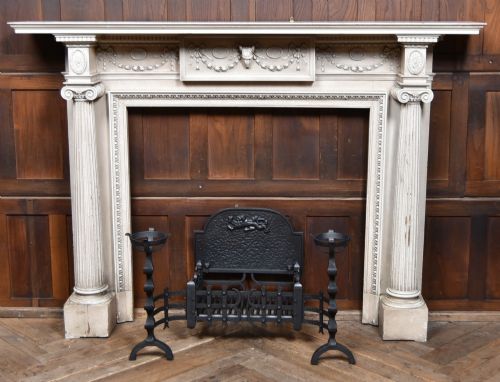
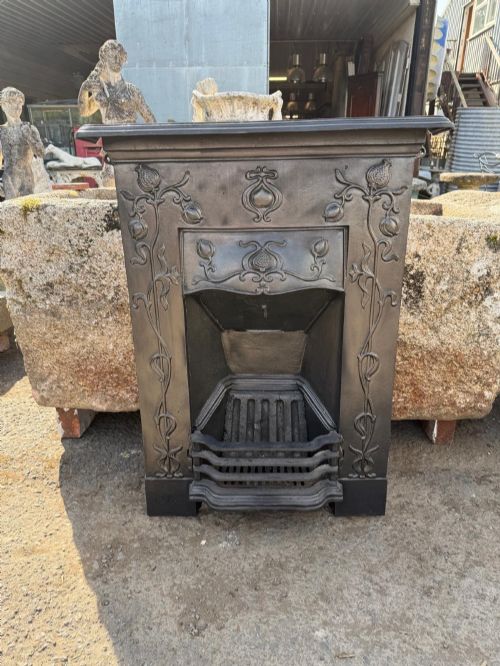
When you search for a cast iron fireplace surround, you encounter heavy hearth furniture and architectural fixtures primarily originating from the Victorian and 19th Century periods. These items include combination fireplaces, cooking ranges, and hearth surrounds designed to anchor a room.
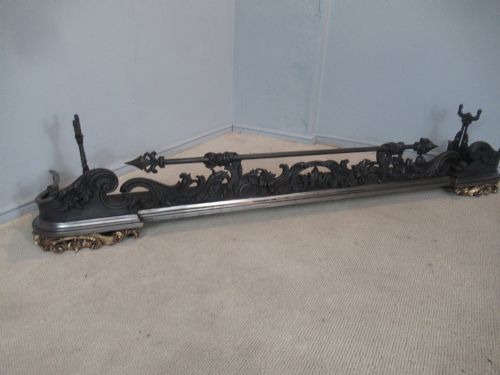
The selection frequently spans associated metalwork such as adjustable fire fenders, fireguards, and grates made in iron, steel, and brass. You will also meet occasional French Empire and French Rococo influenced designs alongside Georgian pieces.
How they were made
Foundries utilised heavy cast iron as the primary structural material, often paired with contrasting elements of brass, steel, and bronze. Artisans shaped these metals through casting, forging, and metalworking techniques suited to high heat environments.
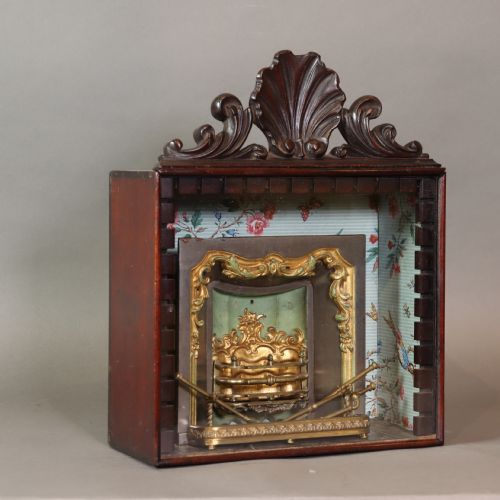
Some examples incorporate secondary materials like timber and wood in associated mantels, or delicate gilt-brass and paper details on smaller decorative objects.
Cast Iron Fireplace Surround Retail Price Guide 2026
Typical asking prices for cast iron fireplace surround among the pieces listed under this phrase on Sellingantiques today, from the lower quarter to the upper quarter. They describe what is for sale here now, not the wider market.
What varies in quality
Quality rests in the crispness of the cast iron detail and the complexity of the design, distinguishing standard functional grates from ornate ornamental pieces. The integration of mixed metals, such as brass mounts or steel bars, elevates the finish of individual pieces.
Condition and originality dictate value at this level, particularly where decorative gilding, patination, and secondary materials remain intact rather than replaced.
Coalbrookdale
The Cast Iron Fireplace Surround Glossary
- Combination fireplace
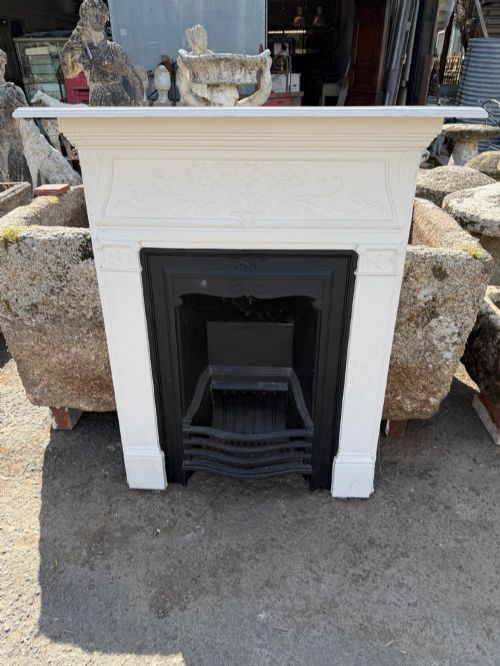
- A single-piece unit where the mantel, surround, and grate are cast as one integral structure. This style became dominant during the Victorian period.
- Fire fender
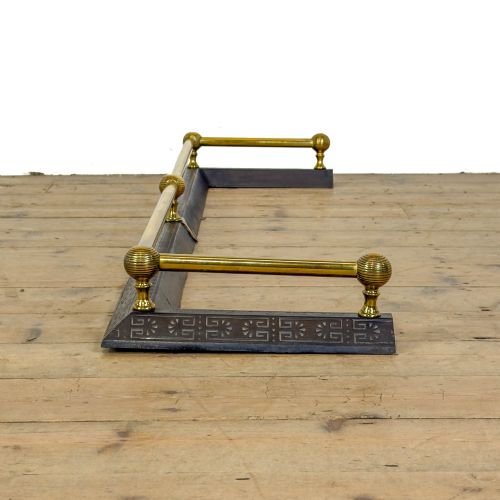
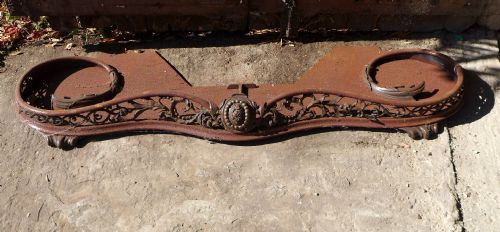
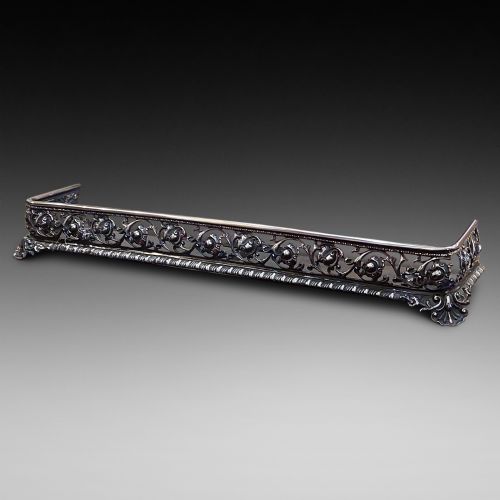
- A low metal barrier placed on the hearth in front of the fireplace to contain sparks and ash. They appear in brass, iron, steel, and bronze, sometimes with adjustable frames.
- Cooking range
- An early iron kitchen apparatus designed for food preparation as well as room heating. These heavy units represent the utilitarian side of nineteenth-century metalwork.
- Armorial
- Decoration featuring a coat of arms or heraldic symbols. These motifs appear on early cast iron and metalwork pieces to denote lineage or status.
Cast Iron Fireplace Surround: Frequently Asked Questions
What is a combination fireplace?
A combination fireplace integrates the mantel, surround, and grate into a single cast iron unit. This design was widely produced during the Victorian era for domestic heating.
Such pieces offer a complete architectural solution for a chimney breast without requiring separate surrounds and inserts.
How do I style a fire fender?
A fire fender sits directly on the hearth to frame the fireplace opening and protect the flooring from stray embers. Nineteenth-century examples in brass, iron, and steel add defined structure to the fireplace base.
Ensure you measure the hearth width carefully, as some surviving fenders feature adjustable frames to fit varying hearth dimensions.
What materials were used?
Cast iron forms the primary body of these hearth fixtures, chosen for its durability and heat retention properties. Makers frequently combined this with brass, steel, bronze, and occasional timber or wood.
Finer decorative examples incorporate gilt-brass mounts and detailed surface casting to enhance the visual impact of the metal.
How do I identify Victorian pieces?
Victorian fireplace surrounds and fenders typically display robust cast iron construction with ornamentation influenced by Gothic, classical, or aesthetic movement styles. Look for makers' marks and characteristic foundry work from the nineteenth century.
The presence of integrated grates or combination forms points strongly toward mid-to-late nineteenth-century British domestic design.