


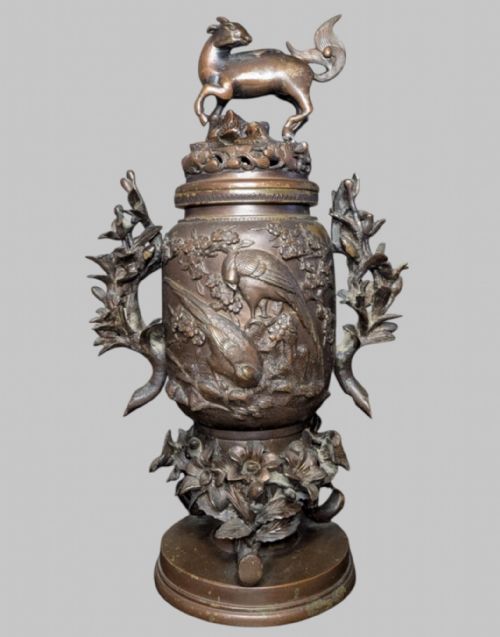


Cast Handle Vessel
A cast handle vessel brings weight and historic form to a room, spanning centuries of metalworking traditions from East Asia to Europe.
Cast Handle Vessel
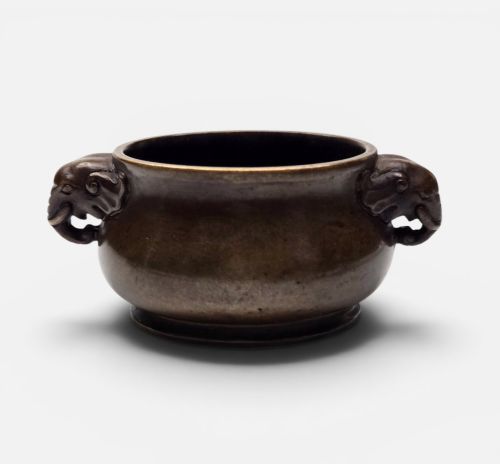
A cast handle vessel encompasses utilitarian and ritual objects such as censers, ewers, mortars, and large display vases produced across diverse historic periods. Buyers encountering this category will frequently discover pieces featuring integral handles formed directly during the primary casting process.
The selection ranges from sixteenth-century Ming dynasty censers and seventeenth-century scholar's vessels to nineteenth-century European Grand Tour campana-shaped urns and Japanese Meiji period bronze vases. Chinese archaic-style bronzes and ritual food bowls sit alongside French neoclassical trophy vases and heavy English pharmaceutical mortars.
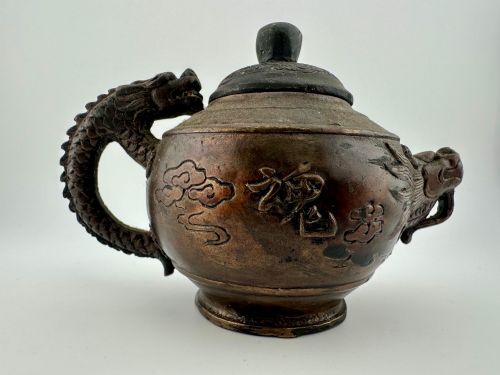
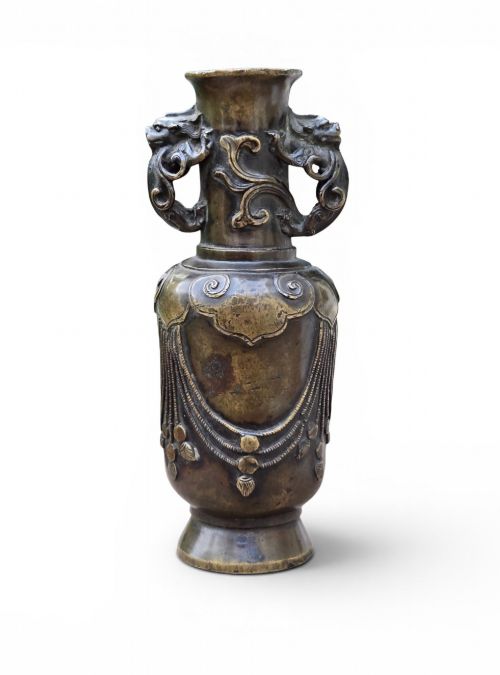
Vessels take many forms, from slender hu vases and handled teapots to monumental altarpieces and decorative jardinières. Each object relies on a robust metal body designed to support prominent handles, whether shaped as dragons, masks, dolphins, or classical figural motifs.
Materials and casting techniques
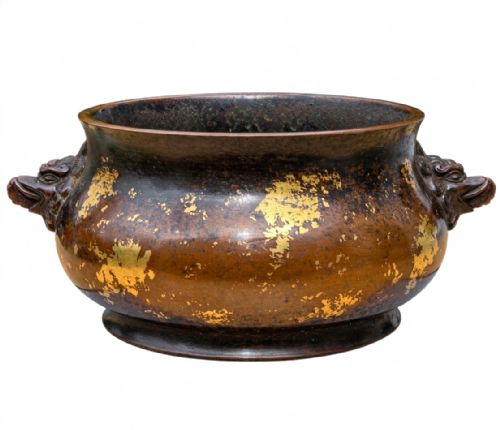
Makers utilised bronze, brass, and copper alloy as the primary structural materials, often pouring molten metal into complex moulds to achieve substantial weight and resonant wall thickness. Some surfaces received specialist treatments including gold leaf application, champlevé enamel inlay, and deliberate patination to age the metal.
Handles and decorative elements like taotie masks or figural deities were cast integrally with the main body or attached securely during construction. Iron also appears in specialised items like Japanese tetsubin water kettles, demonstrating the versatility of ferrous and non-ferrous casting methods.
Japanese Meiji period examples and Chinese Qing dynasty bronzes form a major portion of the available decorative urns and incense burners.
Distinctions in craftsmanship
Quality reveals itself in the crispness of the chased and finished details following the primary pour, distinguishing sharp relief work on dragon motifs or classical figures from softer, less defined castings. The balance of the vessel, the structural integration of the handle, and the acoustic resonance of the metal indicate the skill of the original foundry.
Surface treatments further separate standard production from masterworks, with sophisticated patination, controlled gilt-splashing, and intricate enamel work requiring superior technical patience. Pieces originating from recognised traditions like the Takaoka school or bearing clear reign marks demonstrate greater fidelity to historic forms.
Kibundo
The Cast Handle Vessel Glossary
- Censer
- A vessel used for burning incense during ritual or domestic practices. Many feature prominent handles and pierced covers.
- Ewer
- A large jug with a wide spout and a substantial handle, traditionally used for pouring water or wine.
- Patination
- The natural or chemical alteration of a metal surface over time. It produces varied coloration that protects the bronze and adds visual depth.
- Champlevé
- An enamelling technique where troughs are dug into the metal surface and filled with vitreous paste before firing.
- Archaistic
- A later artistic style deliberately imitating the forms, motifs, and patination of much older ancient ritual bronzes.
Cast Handle Vessel: Frequently Asked Questions
What is a cast handle vessel used for?
These metal items served practical, decorative, and ritual purposes across different cultures. Examples range from apothecary mortars for grinding ingredients to censers for burning incense and large urns designed for interior display.
Over time, many utilitarian forms transitioned into purely decorative objects. European Grand Tour pieces and Asian bronzes alike were prized by collectors for their sculptural presence in domestic spaces.
How do I identify the period of a bronze vessel?
Dating relies on examining the stylistic vocabulary, casting methods, and surface patination specific to particular eras. Ming and Qing dynasty pieces often feature distinct archaistic motifs, seal marks, or ritual forms.
European pieces frequently draw on neoclassical or Victorian design idioms. Comparing handle attachments and alloy coloration helps narrow down the century of manufacture.
Are handles cast separately or with the vessel?
Foundry techniques varied according to the design and regional tradition. Many robust handles were cast simultaneously with the body as an integral unit to ensure structural strength.
In other instances, complex figural handles were cast independently and joined securely to the main vessel body. Examining the interior junctions often reveals the method used.
How do I care for antique bronze and brass?
Historic metal surfaces benefit from minimal intervention to preserve their original patination and stable oxidation layers. Dusting gently with a soft, dry cloth is usually sufficient for regular maintenance.
Avoid abrasive cleaners, chemical polishes, or excessive handling that might strip away centuries of accumulated finish. Maintaining stable indoor humidity protects both the metal and any enamel inlay.