





Cast Bronze Knockers
Cast bronze knockers are substantial architectural hardware pieces from earlier centuries that bring genuine period character to an entrance.

Cast Bronze Knockers
Cast bronze knockers are heavy metal fixtures designed for front doors, encompassing everything from utilitarian iron designs to decorative bronze pieces. When you search for cast bronze knockers, you encounter architectural hardware spanning several centuries, including Victorian revivals and Continental examples.
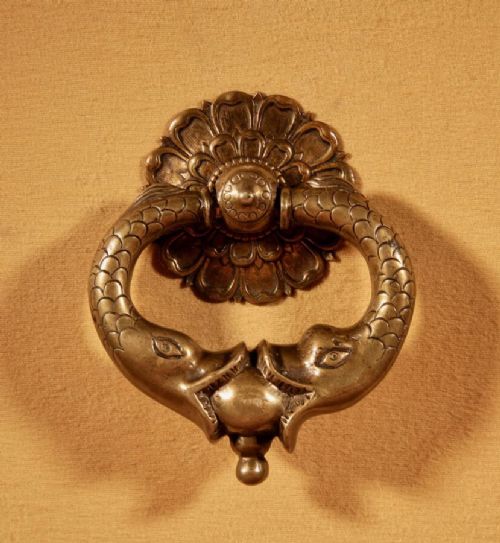
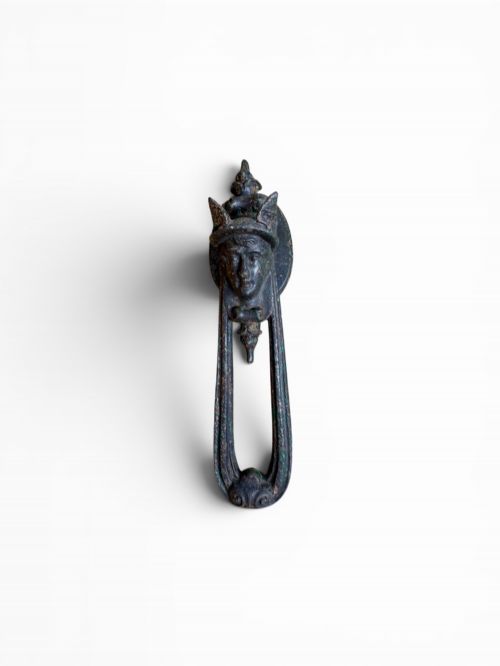
The most common items you meet on this page are nineteenth century pieces drawing on neoclassical or gothic motifs, often styled as hands, animal masks, or classical heads. These objects serve both a practical function and a decorative purpose, mounted directly onto exterior timber doors.
How they were made
Makers utilised traditional metalcasting techniques, pouring molten bronze, brass, or iron into moulds to achieve solid forms with high relief detail. Hand finishing and polishing followed the casting process, creating the distinct tactile surfaces seen on lion masks, sphinxes, and ram heads.
Cast Bronze Knockers Retail Price Guide 2026
Typical asking prices for cast bronze knockers among the pieces listed under this phrase on Sellingantiques today, from the lower quarter to the upper quarter. They describe what is for sale here now, not the wider market.
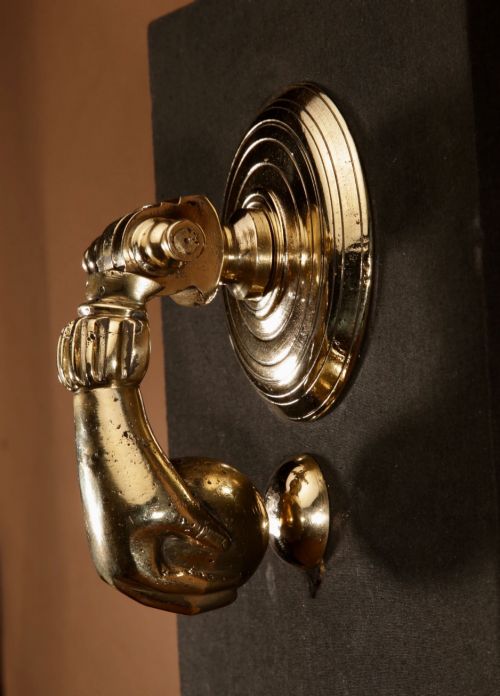
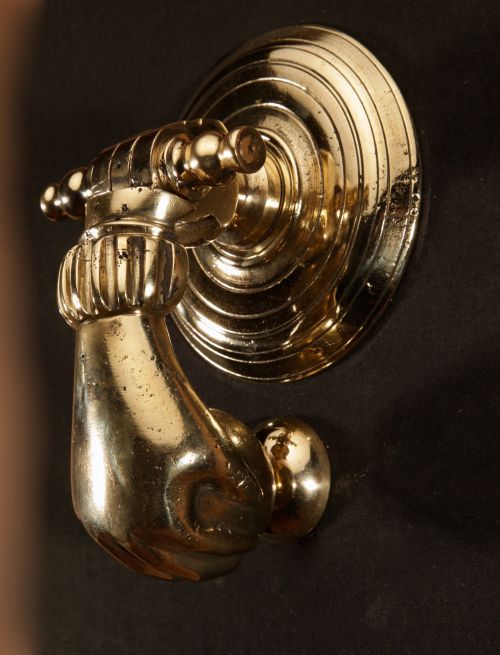
Several knockers take the literal form of a hand, ready to rap on wood for all eternity.
What varies in quality
The integrity of the original mountings and the quality of the alloy also determine the standard of a piece. Heavier bronze castings with intact backplates and striking plates represent the higher end of the range compared to lighter brass or iron variants.
The Cast Bronze Knockers Glossary
- Bronze
- An alloy consisting primarily of copper, traditionally mixed with tin, used for its strength and rich patination in architectural hardware.
- Neoclassical
- A style drawing inspiration from the classical art and culture of ancient Greece and Rome, frequently appearing in nineteenth century door furniture.
- Patina
- The surface sheen and colour acquired by bronze and brass over decades of exposure to air and handling.
- Backplate
- The mounting plate attached to the door that supports the pivoting knocker mechanism and protects the timber surface.
Cast Bronze Knockers: Frequently Asked Questions
How do I date a cast bronze knocker?
Dating relies on stylistic clues, the composition of the metal, and the manufacturing methods visible on the reverse side of the casting. Earlier pieces from the seventeenth and eighteenth centuries often display hand-filed surfaces and distinct patination compared to later nineteenth century revival examples.
Examining the screw holes and fixing methods also helps establish age, as machine threads differ from older hand-cut fixings. Comparing the design motifs to known architectural styles of the period provides further confirmation.
Can I mount an antique knocker on an exterior door?
Most cast bronze knockers and architectural hardware pieces are robust enough for daily use on external timber doors. Bronze and brass withstand weather well, developing a deeper surface patina when exposed to the elements.
Ensure that the fixings match the weight of the casting and that the striking plate is positioned correctly to prevent damage to the door surface. Regular checking of the screws keeps the hardware secure.
What motifs are common on these knockers?
Common motifs include stylized human hands, animal forms such as lions and ram heads, and classical figures like Hermes or Egyptian sphinxes. These designs reflect the aesthetic preferences of the nineteenth century and earlier Continental periods.
Geometric shapes like laurel wreaths and architectural letter box combinations also appear among the selections. Each motif relates directly to the decorative tastes of its manufacturing era.
What is the difference between bronze and brass hardware?
Bronze contains primarily copper and tin, resulting in a heavier weight and a darker, warmer tone as it ages. Brass is an alloy of copper and zinc, which typically yields a brighter golden colour when polished.
Both materials were cast using similar techniques, but bronze was often selected for finer sculptural detail and greater durability in heavy architectural use.