



Cast Brass Plaque
A cast brass plaque delivers industrial and domestic history directly to your wall, offering robust metalwork from the Victorian era onwards.
Cast Brass Plaque
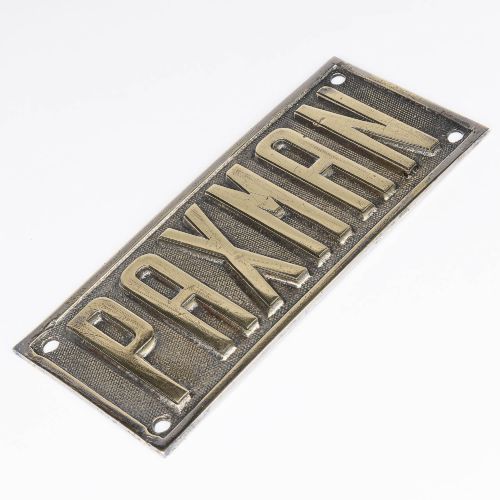
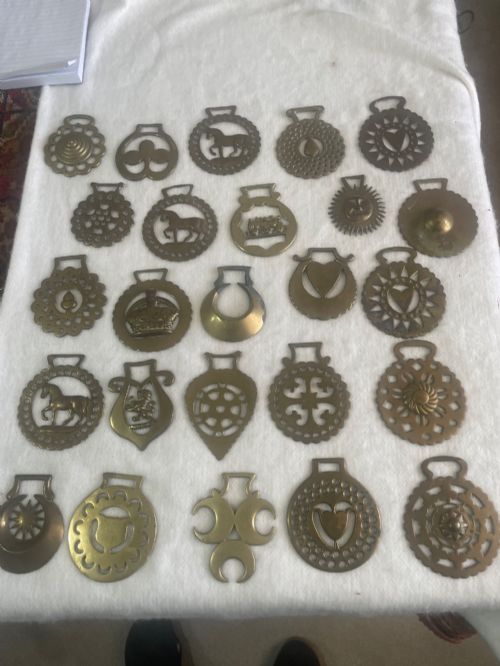
When you search for a cast brass plaque, you encounter a selection of heavy metal items ranging from early twentieth century boiler plates and decorative wall plaques to horse brasses and equestrian hooks. These pieces capture utilitarian manufacturing and decorative arts across multiple eras, including Victorian, Edwardian, and Art Deco periods.
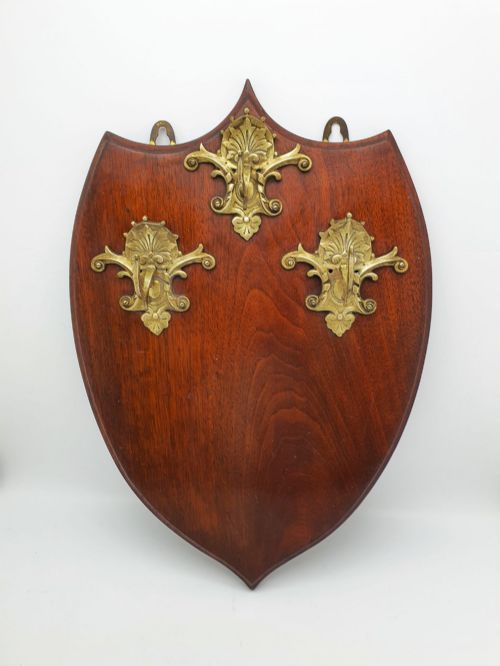
The versions most likely to meet you on this page include mahogany wall plaques fitted with brass coat hooks, painted locomotive signs, and cast brass items featuring neoclassical motifs or animal heads. Makers and manufacturers stamped or cast their identities into these objects, preserving the industrial heritage of Britain.
How they were made
Makers utilised foundry casting techniques to shape molten brass, bronze, and iron into plates, signs, and mounts. These metals were often combined with timber backings such as mahogany and oak to create functional wall-mounted items.
Finishes varied from polished metal surfaces to painted details on iron and steel elements. Artisans secured these plaques using robust iron locks, brass hooks, and structural mounts designed for heavy daily use.
Cast Brass Plaque Retail Price Guide 2026
Typical asking prices for cast brass plaque among the pieces listed under this phrase on Sellingantiques today, from the lower quarter to the upper quarter. They describe what is for sale here now, not the wider market.
Ram's heads and horse heads stare out from these walls, keeping a watchful, glassy-eyed vigil over your hallway.
What varies in quality
The standard of a cast brass plaque rests upon the crispness of the foundry casting and the depth of relief in the metalwork. Sharply defined lettering on boiler plates and intricate detailing on animal heads denote superior craftsmanship.
Material integration also separates standard items from finer pieces, particularly where solid mahogany or oak backings complement the cast metal components. Original painted surfaces and authentic patina enhance the visual weight of the object.
Milners of Liverpool
The Cast Brass Plaque Glossary
- Cast brass
- An alloy of copper and zinc poured into a mould to create solid decorative or utilitarian objects. This technique allows for intricate relief work and durable finishes.
- Boiler plate
- A heavy metal plate affixed to industrial machinery, displaying manufacturer details and operating specifications. These plates offer a direct link to early twentieth century engineering.
- Neoclassical
- A style inspired by classical antiquity, featuring symmetrical designs, urns, and foliate motifs. This aesthetic appears on nineteenth century metal platters and decorative mounts.
- Equestrian
- Pertaining to horses and horseback riding, seen in items such as horse brasses and crop hooks. These pieces often incorporate animal heads and harness ornaments.
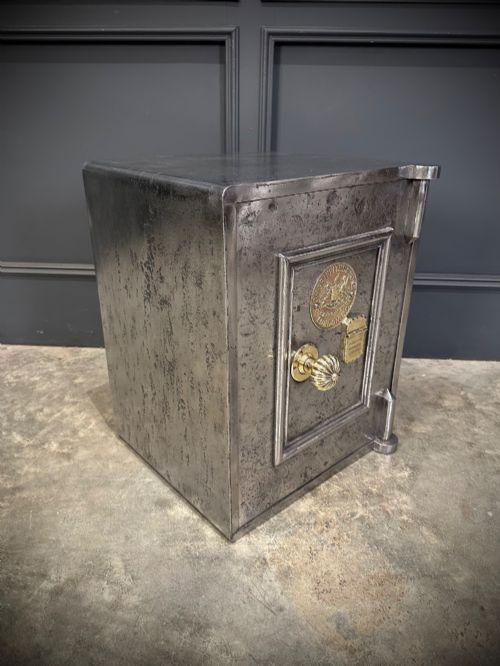
- Patent safe
- A secure storage box featuring a specialised cast iron lock mechanism. Milners of Liverpool produced notable examples during the Victorian era.
Cast Brass Plaque: Frequently Asked Questions
What is a cast brass plaque?
A cast brass plaque is a rigid metal object produced in a foundry, often serving as an industrial label, a decorative wall piece, or a functional mount.
These items range from boiler plates and locomotive signs to equestrian hooks and decorative platters spanning the nineteenth and twentieth centuries.
How were these metal plaques used?
Many of these pieces served practical functions in industrial settings, transport networks, and domestic hallways. Boiler plates identified machinery, while mounted brass hooks and equestrian pieces held garments and riding crops.
Other items functioned purely as decorative wall art or commemorative signage within homes and public buildings.
How do I hang a heavy metal plaque?
Due to the substantial weight of cast brass, iron, and timber combinations, secure wall fixings are essential. Utilising appropriate wall anchors and engaging direct studs ensures safe support.
Many pieces arrive with integrated mounting holes or sturdy backplates designed for straightforward installation.
How do I identify the period of a metal plaque?
Dating relies on stylistic clues, manufacturing techniques, and specific lettering fonts. Victorian and Edwardian pieces frequently display neoclassical motifs or traditional equestrian designs, whereas later twentieth century items reflect Art Deco influences or industrial railway aesthetics.
Manufacturer names and patent stamps stamped directly into the metal also provide clear historical markers.