



Cast Brass Miniature
These cast brass miniature pieces are small-scale models and functional desk ornaments from past centuries, offering detailed metalwork for collectors.
Cast Brass Miniature
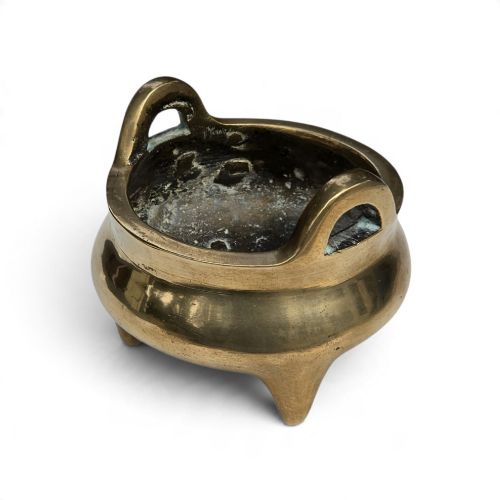
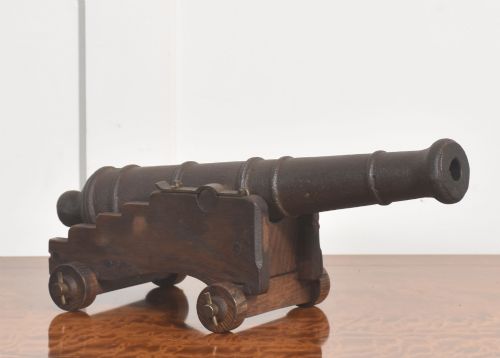
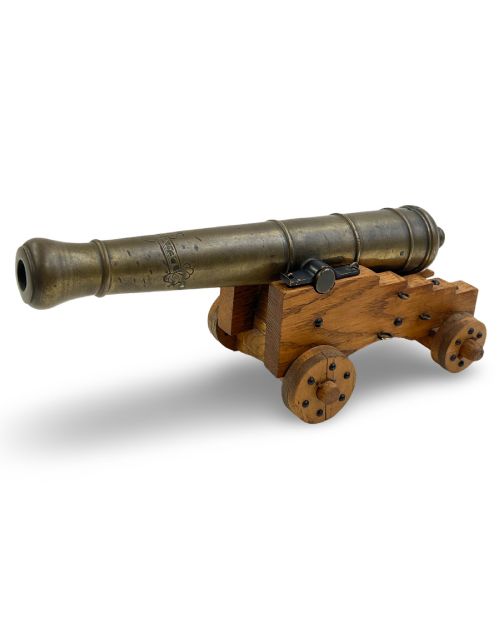
A cast brass miniature brings small-scale metal objects into domestic spaces, ranging from signal cannons to tradesman samples and desk ornaments. These pieces span the eighteenth, nineteenth, and early twentieth centuries, reflecting utilitarian and decorative designs.
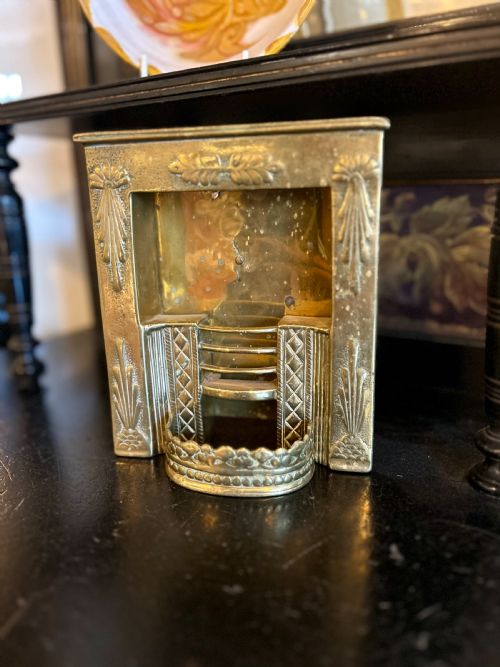
The selection here includes model cannons mounted on carriages, miniature fireplaces, architectural models, and small statuettes. Most examples date from the Victorian period through to nineteen twenty, utilising brass, bronze, and iron.
Buyers encounter items originating from English, French, and Continental workshops. The focus rests on small desktop or display formats rather than full-sized furnishings.
Materials and construction methods
Metalworking dominates these items, with brass and bronze forming the primary barrels and figures, often paired with cast iron, steel, and wood carriage bases. Makers employed casting techniques to shape detailed components for signal cannons and miniature stoves.
Secondary materials like oak and mahogany appear in the undercarriages and display stands. Hand finishing and polishing completed the surface treatment of these heavy metal objects.
Cast Brass Miniature Retail Price Guide 2026
Typical asking prices for cast brass miniature among the pieces listed under this phrase on Sellingantiques today, from the lower quarter to the upper quarter. They describe what is for sale here now, not the wider market.
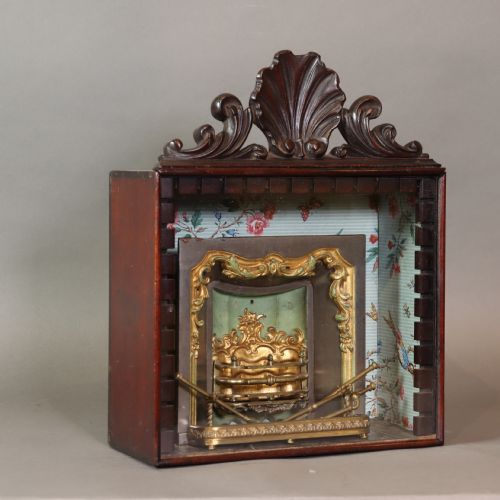
Miniature fireplaces allowed Victorian salesmen to pitch hearth designs without hauling cast iron across the countryside.
Distinctions in quality and execution
The standard of a cast brass miniature rests upon the crispness of the casting and the fidelity of the proportions. Superior examples retain sharp detail in inscriptions, scrollwork, and mechanical parts.
The integrity of mixed-media assemblies, such as bronze barrels mounted on wooden or iron carriages, determines the overall solidity of the piece. Finish and surface preservation also influence the desirability of each model.
The Cast Brass Miniature Glossary
- Signal cannon
- A small ordnance piece designed to produce a loud report for alarms or celebrations rather than combat. These items often feature robust bronze or brass barrels.
- Tradesman sample
- A portable miniature created to demonstrate a full-sized design, such as a fireplace or stove, to prospective clients. These objects showcase domestic manufacturing techniques in reduced scale.
- Undercarriage
- The supporting base or chassis upon which a model cannon or machinery rests. These mounts utilise woods like oak and mahogany or cast iron.
- Scroll weight
- A small heavy object used to hold down paper scrolls or documents. These pieces frequently take the form of cast bronze figures.
- Patina
- The surface sheen and coloration developed through age and handling on metals like brass and bronze. This layer indicates the natural ageing of the material.
Cast Brass Miniature: Frequently Asked Questions
What are cast brass miniatures?
These pieces are small-scale models, desk ornaments, and functional miniature items produced in metal during past centuries. They include artillery models, tradesman samples, and small statuettes.
Craftsmen created them for demonstration, commemoration, or desktop display, using durable materials that survived generations of handling.
How were signal cannons used?
Signal cannons served as noise-making devices for maritime warnings, estates, and commemorative events. They used small powder charges to create a loud report.
Unlike full-sized artillery, these desktop or deck-mounted versions were built specifically for signaling rather than warfare.
How do I date these pieces?
Dating relies on stylistic clues, mounting materials, and any commemorative inscriptions or maker marks present on the metal. Victorian and earlier examples often show distinct casting methods.
Comparing the carriage construction and the alloy finish against known period pieces helps establish the likely era of manufacture.
Where should I display them?
These small metal items suit placement on desks, bookshelves, and mantelpieces where their fine detail can be observed up close. Stable surfaces are ideal given their heavy metal construction.
Keeping them away from damp environments helps preserve the brass, bronze, and iron surfaces.