



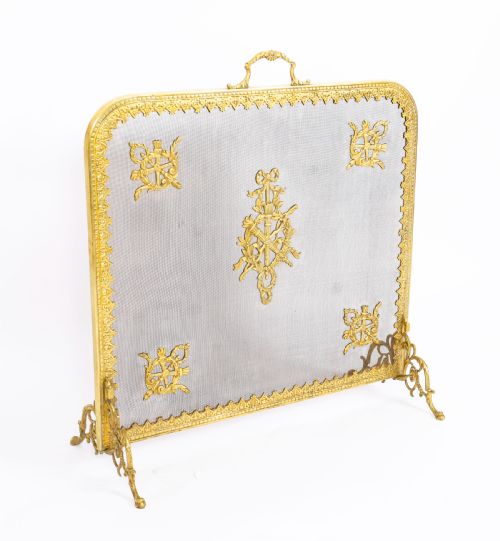

Cast Brass Fire Guard
A cast brass fire guard keeps hearths safe while bringing nineteenth-century metalwork into the room.
Cast Brass Fire Guard
A cast brass fire guard encompasses both standing screens and hearth fenders designed to protect the room from sparks. These pieces date principally from the Victorian period through to the early twentieth century.
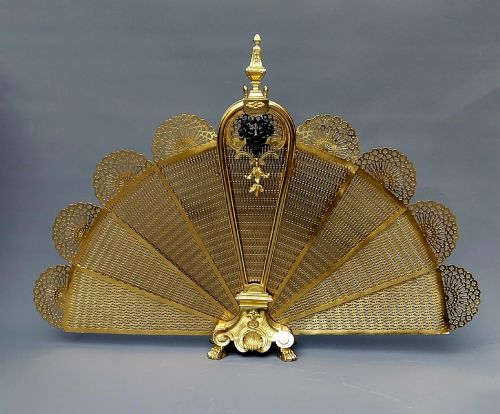
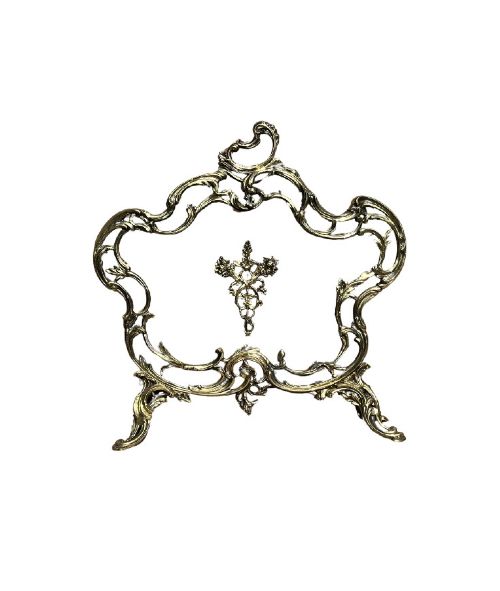
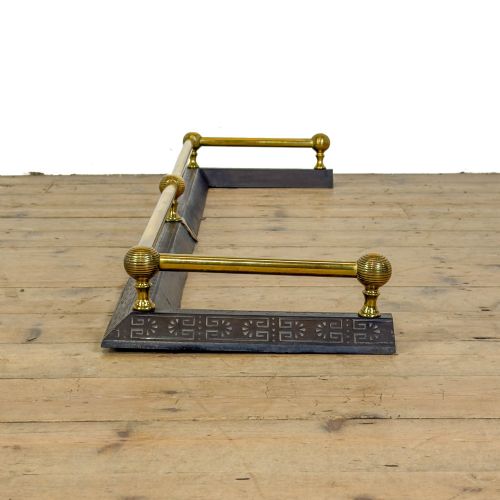
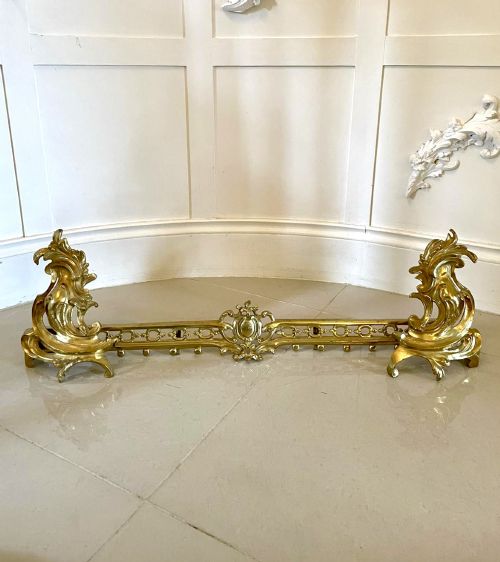
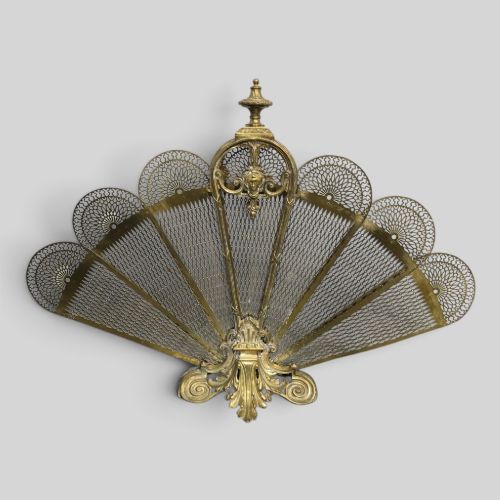
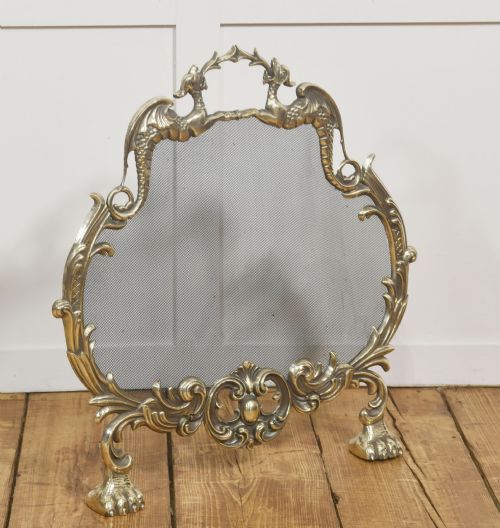
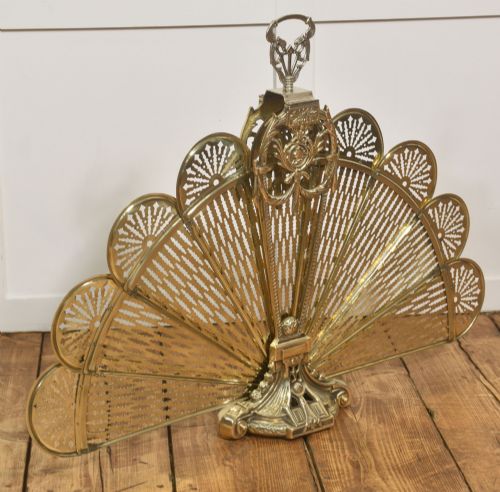
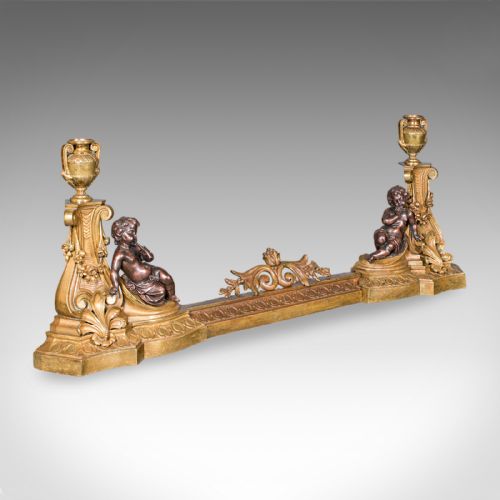
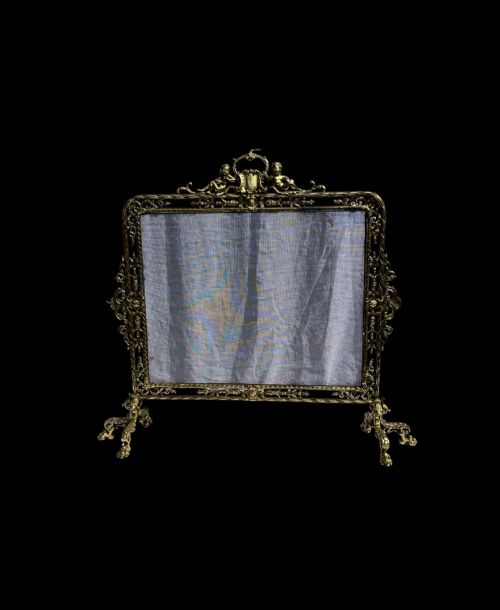
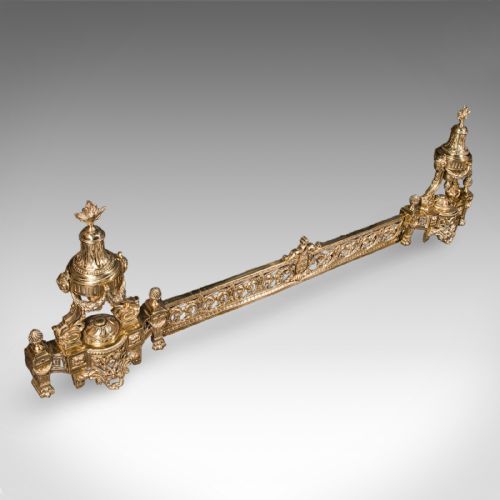
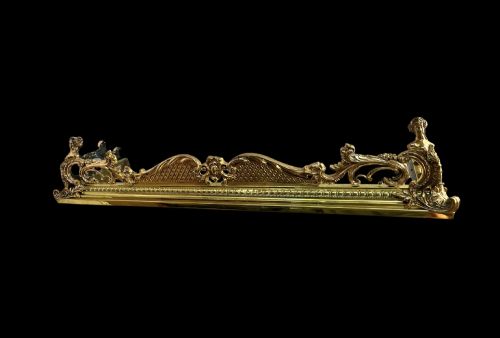
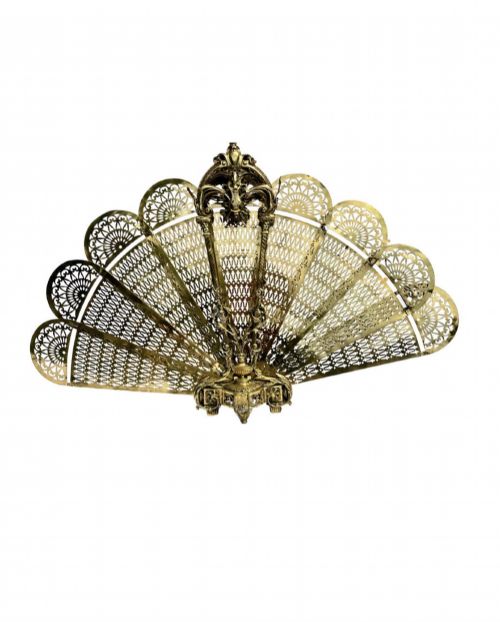
The selections here range from adjustable extending fenders to folding peacock fan screens and rigid French Rococo Revival frames. Buyers meet various forms, including curb fenders combining cast iron and steel with heavy brass elements.
Origin points span English workshops and French foundries, drawing on Louis XV and French Empire revival styles. Many incorporate decorative motifs such as classical trophies, lions, and floral garlands.
Materials and construction methods
Foundries utilised brass, bronze, and gilt bronze, often pairing them with iron or steel for structural strength in heavy hearth fenders. Wire mesh and pivoting metal blades formed the functional barriers on folding fan screens.
Casting allowed makers to produce ornate scrollwork, lions, and garlands in high relief. Adjustable mechanisms were engineered to let curbs fit various fireplace openings securely.
Cast Brass Fire Guard Retail Price Guide 2026
Typical asking prices for cast brass fire guard among the pieces listed under this phrase on Sellingantiques today, from the lower quarter to the upper quarter. They describe what is for sale here now, not the wider market.
Listings feature items spanning the Victorian era, the Great Exhibition period, and the early twentieth century, utilising brass, bronze, cast iron, and steel.
Assessing quality and execution
Gauge and weight separate robust pieces from lighter productions, with heavy brass castings maintaining structural integrity over decades of hearth heat. The crispness of chased detail on French gilt bronze and rococo scrolls indicates the skill of the original founder.
The complexity of the mechanism in adjustable fenders dictates how smoothly the metal slides. Fine assembly ensures that decorative garlands and applied mounts remain securely fixed to the primary frame.
Bouhon Frères
The Cast Brass Fire Guard Glossary
- Curb fender
- A low metal barrier placed around the hearth perimeter to contain stray embers and coal. These often adjust in width to fit specific fireplace surrounds.
- Fire screen
- An upright barrier placed in front of the fireplace opening when the fire is unlit. Folding fan versions open outward like peacock tails.
- Gilt bronze
- Bronze treated with a gold amalgam or finish to provide a bright, enduring surface layer. This technique appears frequently on French revival pieces.
- Rococo Revival
- A nineteenth-century design movement favouring asymmetrical scrolls, C-curves, and naturalistic plant motifs. It heavily influenced mid-Victorian decorative metalwork.
Cast Brass Fire Guard: Frequently Asked Questions
Will an adjustable fender fit my fireplace?
Many nineteenth-century fenders were built with sliding sections to accommodate different hearth widths. Check the minimum and maximum extension measurements provided in the listing.
Measure your hearth opening carefully before purchasing to ensure the inner dimensions match. Keep in mind that heavy cast metal requires solid footing on stone or brick.
What is the difference between a fender and a screen?
A fender sits flat on the floor around the hearth base to contain logs and sparks near the floorboards. It remains in place during fires.
A screen stands upright to block radiant heat and protect the room when the hearth is inactive. Folding fan screens can be closed flat when not in use.
How do I date a Victorian brass guard?
Examine the weight, casting marks, and fastening screws used in the construction. Heavier gauge brass and hand-finished details often point toward the mid-nineteenth century.
Stylistic cues such as heavy rococo scrolls or classical French empire motifs help narrow down the decade. Compare the construction techniques against documented pieces from the same era.