




Cast Brass Door Hardware
Cast brass door hardware offers heavy tactile weight and enduring detail, bringing period character to an entranceway through durable metalwork.
Cast Brass Door Hardware
Cast brass door hardware encompasses functional architectural elements designed for everyday entryways, spanning utilitarian hinges and letterboxes to decorative knockers and bell pulls.
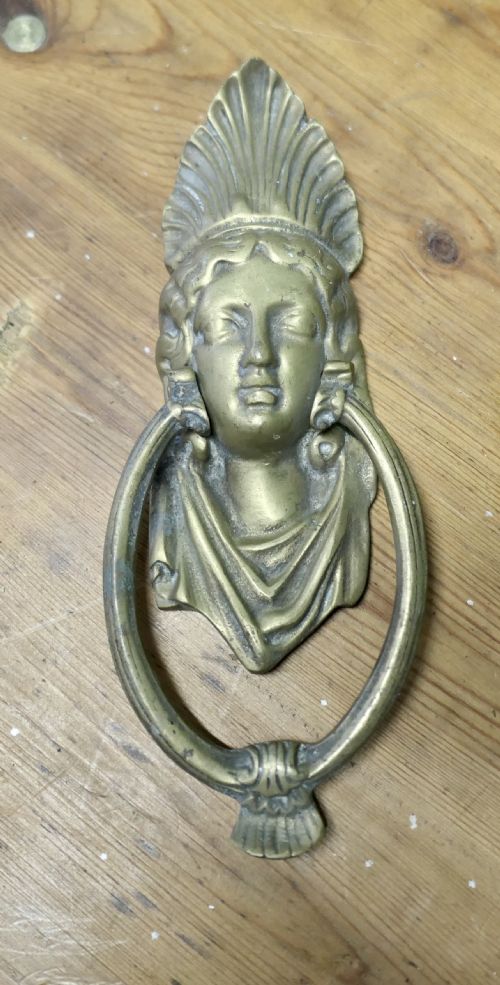
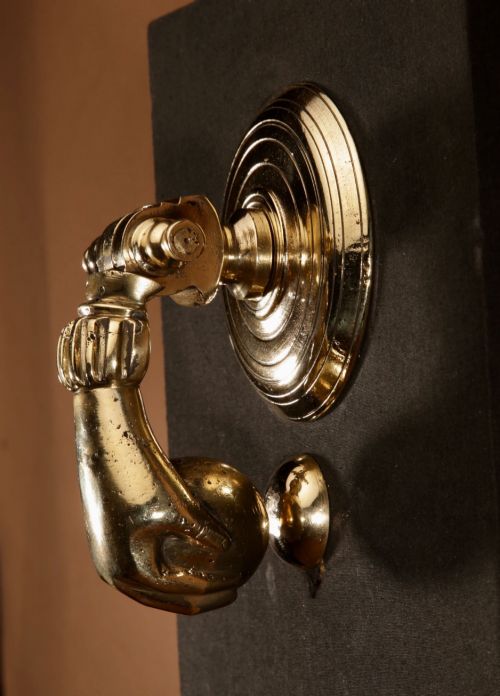
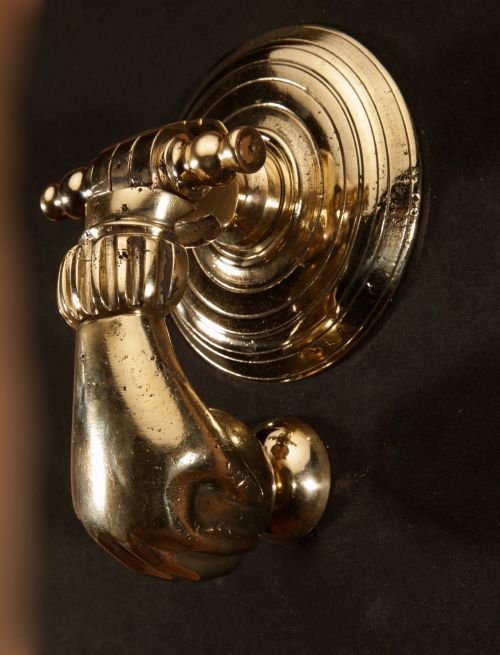
Victorian and Georgian examples dominate the selection, bringing substantial proportions and distinct ornamental motifs like dolphins, caryatids and lion masks to domestic doors.
Buyers will encounter functional items ranging from heavy door knobs and finger plates to complex night chains and doorstops made from solid brass or bronze.
Materials and Technique
Makers utilised casting techniques to shape molten brass and bronze into robust plates, handles and sculptural knockers with deep relief.
Heavy gauge brass forms the structural core of most pieces, occasionally paired with materials like lead crystal or oak to create contrasting textures.
Materials extend beyond standard brass to include solid bronze, lead crystal accents and combinations incorporating natural oak.
Standards of Craft
Quality rests in the crispness of the casting detail and the heft of the metal, distinguishing sharp sculptural forms from softer, worn impressions.
The integrity of the original mechanism and the weight of the gauge determine how well a handle or knocker survives daily domestic use.
The Cast Brass Door Hardware Glossary
- Caryatid
- A sculpted female figure serving as an architectural support. In door knockers, this figure forms the striking handle.
- Finger plate
- A protective metal sheet fixed to a door near the handle. It prevents the timber from becoming soiled by frequent touching.
- Door butler
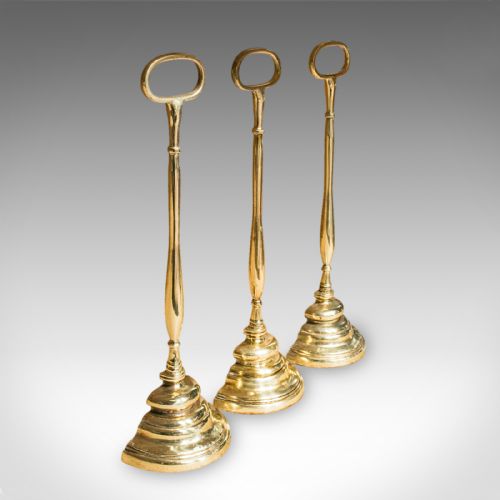
- A heavy weighted object used to hold a door open. These take sculptural forms cast in brass.
- Bell pull
- A mechanical lever mounted beside a door connected to an internal bell. Pulling the handle operates the signaling wire.
- Gothic Revival
- An architectural and decorative style drawing on medieval forms. Pieces display pointed arches, trefoils and heavy decorative hinges.
Cast Brass Door Hardware: Frequently Asked Questions
How do I clean cast brass?
Maintenance depends on the finish you prefer to preserve on the metal. Gentle washing with mild soap removes surface dirt without stripping the historic patina.
Avoid harsh chemical dips that remove age and leave the metal unnaturally bright. A soft cloth helps maintain the subtle highlights on raised cast details.
Are these items suitable for modern doors?
Most pieces retain standard dimensions that fit onto timber doors without complicated alterations. Check the fixing points and spindle sizes against your existing setup before installation.
Solid construction ensures these components handle daily mechanical use reliably. Heavier knockers require secure through-bolt fixings to support their substantial weight.
How do I date a brass knocker?
Stylistic clues within the casting help narrow down the period of manufacture. Georgian pieces often show restrained neoclassical lines, whereas Victorian examples favour ornate motifs like dolphins or masks.
Examine the back of the casting for mounting lugs and file marks left by hand finishing. These manufacturing traces distinguish older cast work from later reproduction items.