



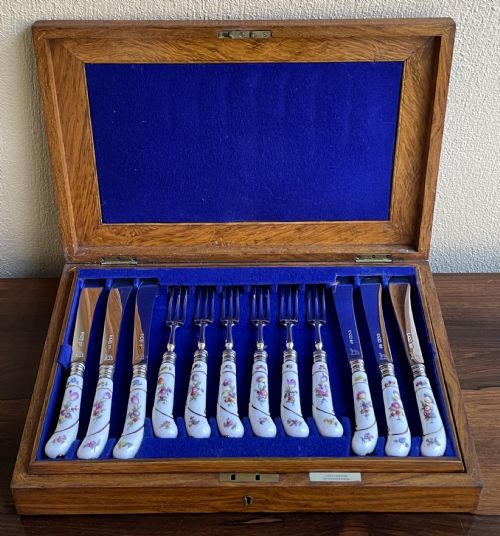


Cased Silver Knives
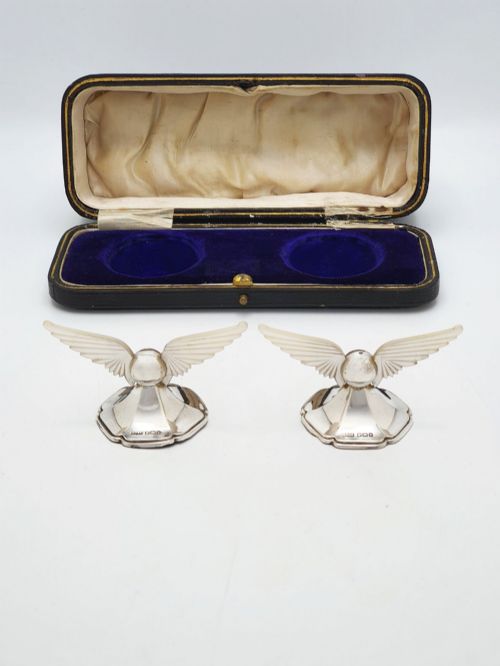
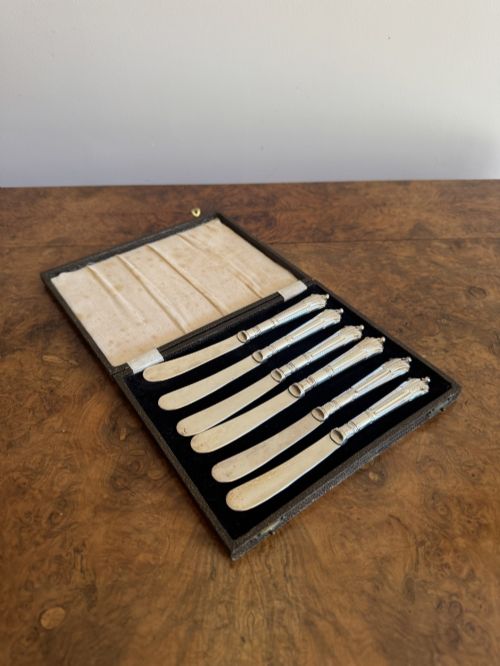
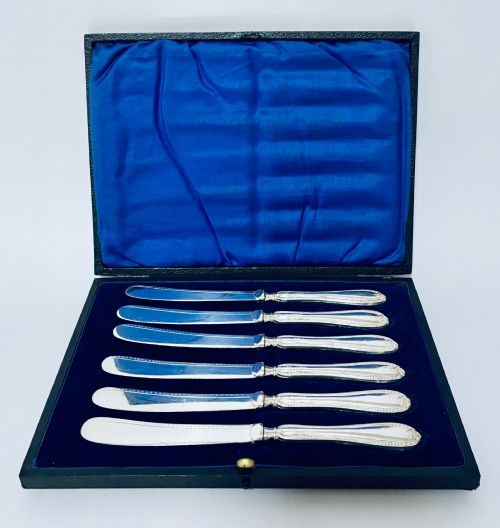
Cased silver knives gather matched cutlery and serving pieces inside fitted protective boxes from the Victorian and Edwardian periods.
Cased Silver Knives
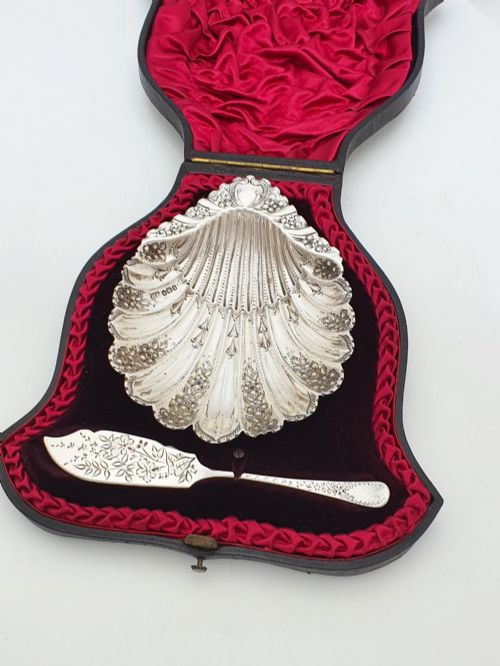
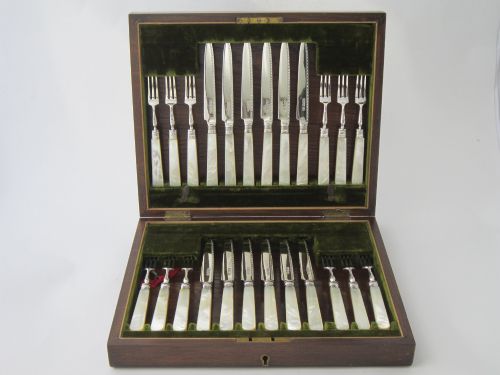
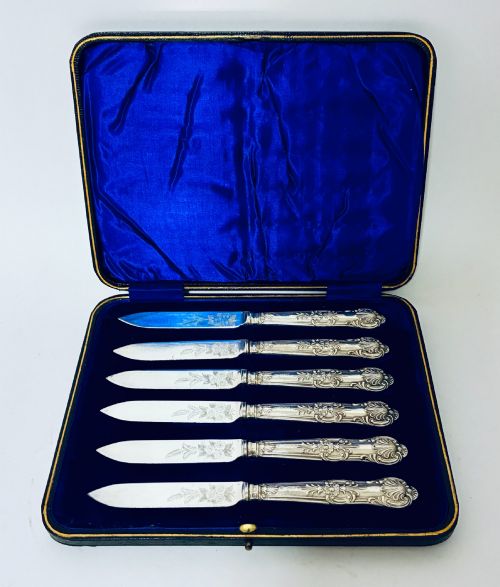
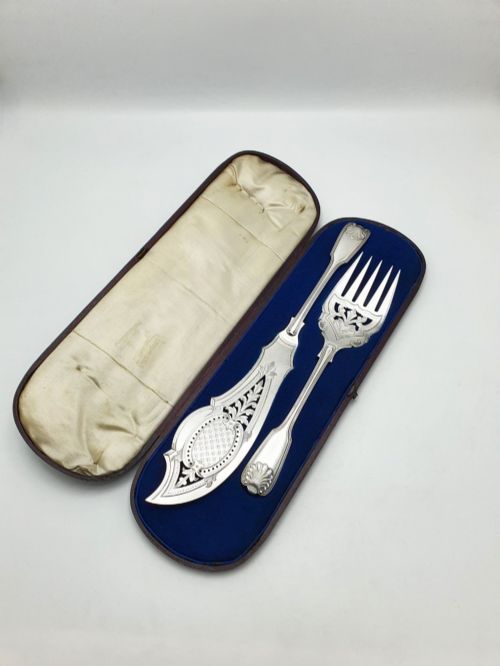
When you search for cased silver knives, you meet fitted sets intended for desserts, fruit, fish, and butter service. These groupings span Victorian, Edwardian, and George V eras, with many examples originating from Sheffield workshops.
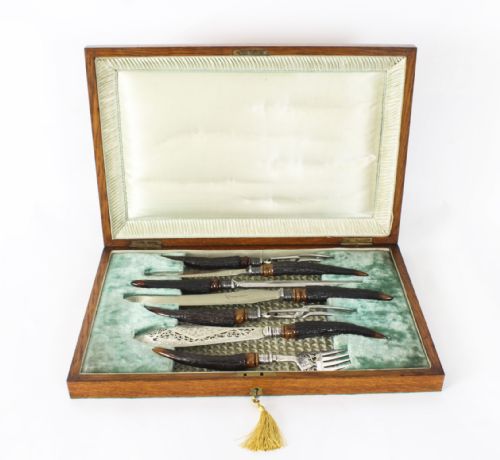
The assortment includes sets of six fruit knives, butter knives, christening sets, and larger serving ensembles housed in wooden boxes lined with silk or velvet. Most examples pair silver or silver plated blades with handles made from mother of pearl, antler horn, or wood.
Materials and technique
Maker workshops combined sterling silver or silver plate with organic handle materials such as mother of pearl, antler horn, ebony, and porcelain. Steel frequently formed the cutting edges of dessert and fruit knives to maintain a sharp working edge.
Fitted presentation boxes utilised sturdy woods like oak and mahogany, lined internally with moulded velvet or silk to secure each individual piece during storage and transport.
Cased Silver Knives Retail Price Guide 2026
Typical asking prices for cased silver knives among the pieces listed under this phrase on Sellingantiques today, from the lower quarter to the upper quarter. They describe what is for sale here now, not the wider market.
Golf club motifs appeared on antique cake knives, proving Victorians enjoyed a sporting theme with their afternoon pastries.
Factors of quality
The standard of a set rests on the crispness of engraving on the blades and the matching integrity of the handle materials across all pieces. Sets retaining their original fitted presentation cases with intact silk or velvet linings hold greater cohesion.
Maker marks stamped into the silver and the precision of the joint between blade and handle distinguish standard domestic productions from higher workshop outputs.
The Goldsmiths & Silversmiths·Carrington·Waring & Gillows
The Cased Silver Knives Glossary
- Sterling silver
- A silver alloy containing 92.5 percent pure silver by mass, frequently marked with standard assay office hallmarks. This standard dominated British cutlery production across the Victorian and Edwardian periods.
- Mother of pearl
- An iridescent internal layer of shells used extensively for decorative knife handles. This material brings a pale, shimmering texture to fruit and dessert sets.
- Silver plate
- A thin layer of silver applied to a base metal, commonly utilised to manufacture accessible tableware and serving sets during the nineteenth century.
- Hallmark
- A system of official marks stamped on precious metals in Britain to certify purity, origin, and the year of assay. These stamps help date individual pieces within a fitted case.
- Campaign cutlery
- Portable dining implements designed for travel, often folding or packing efficiently into compact cases for movement during the nineteenth century.
Cased Silver Knives: Frequently Asked Questions
What were cased silver knives used for?
These matched sets served specific dining functions such as eating fruit, buttering bread, or serving fish at formal Victorian and Edwardian tables.
They provided hosts with specialised utensils that protected fine tablecloths and added a decorative layer to afternoon tea or dessert courses.
How do I date a cased set?
Dating relies on reading the hallmarks stamped onto the silver blades or ferrules, which correspond to specific assay office date letters.
Style indicators like handle materials and the construction of the wooden presentation box also point toward Victorian, Edwardian, or later manufacturing windows.
How should I clean silver handled knives?
Cleaning requires gentle polishing with a soft cloth and specialised silver cleaner, taking care to avoid harsh abrasives on organic handle materials.
Submerging mother of pearl or horn handles in water or liquid dips should be avoided to prevent separating the handle from the blade.