
Case Clock
A case clock stands as a towering piece of functional carpentry that brings mechanical rhythm and structural presence into a room.
Case Clock
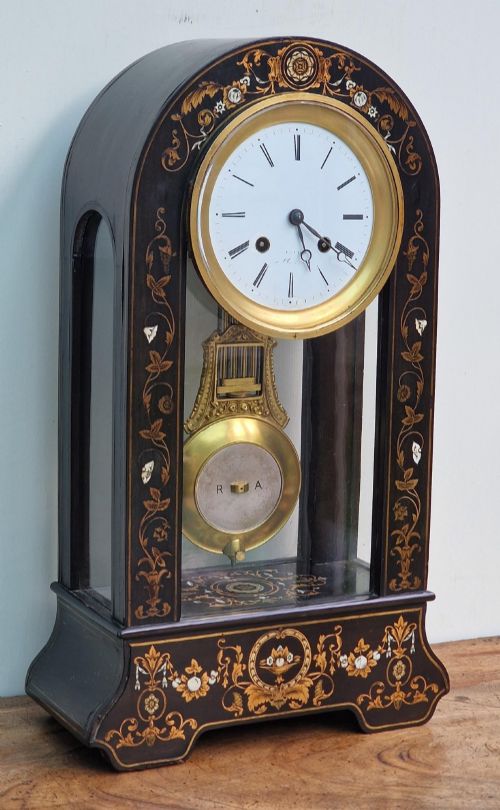
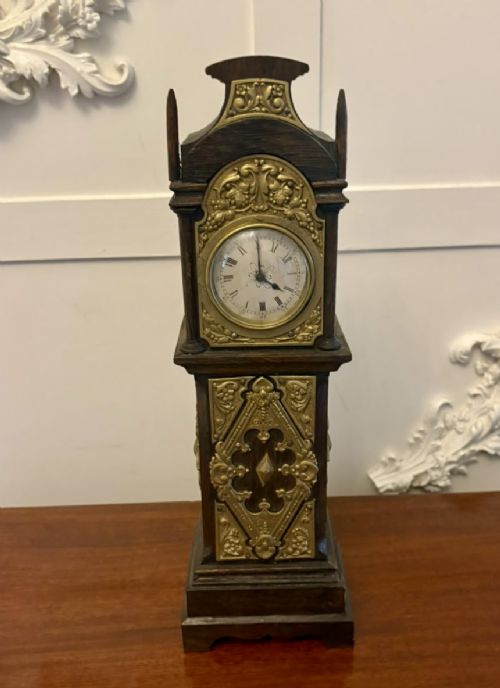
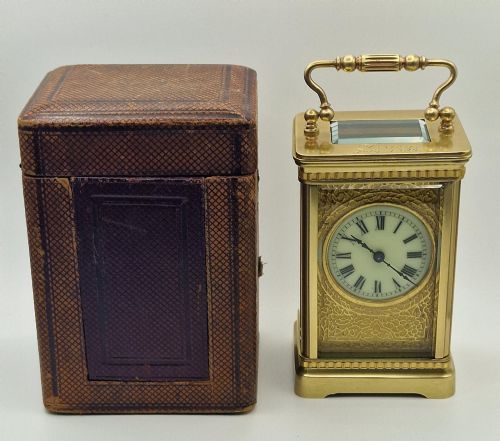
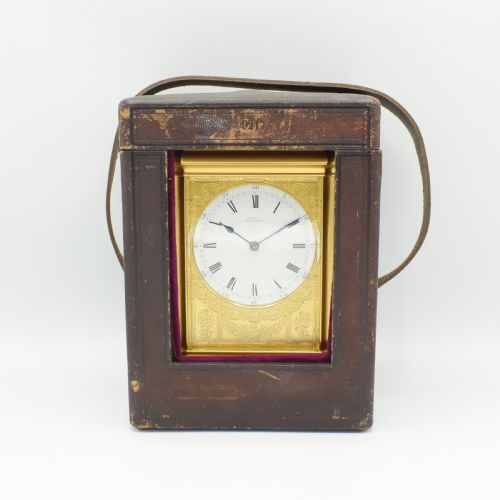
A case clock, frequently called a longcase or grandfather clock, combines a tall timber housing with a precision weight-driven or spring-driven movement. When buyers search for a case clock, they encounter floor-standing longcase examples alongside wall dials, mantel timepieces, and smaller table models enclosed in wood or glass.
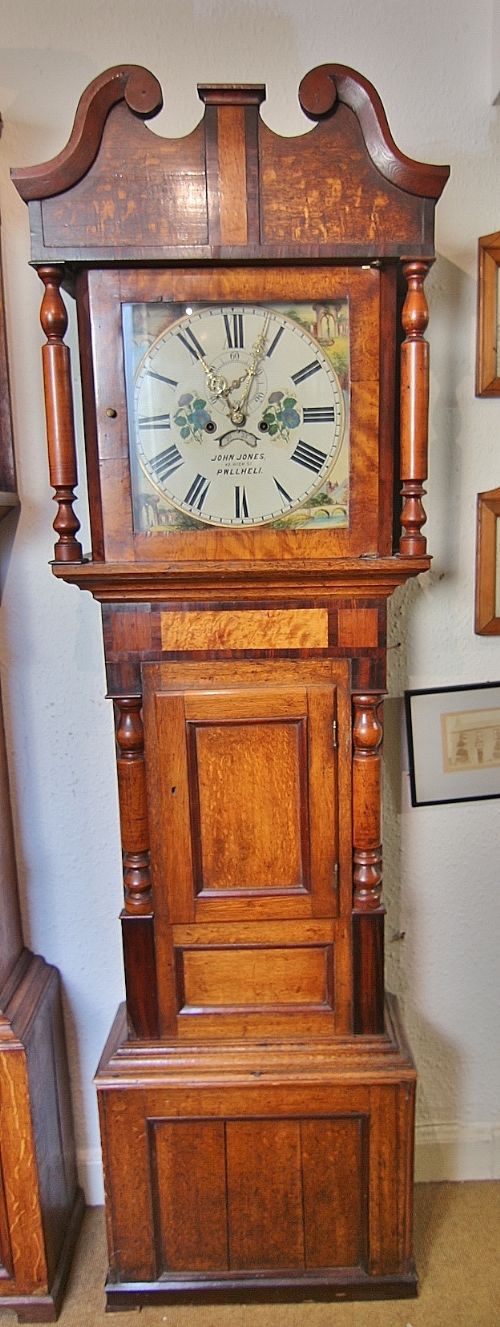
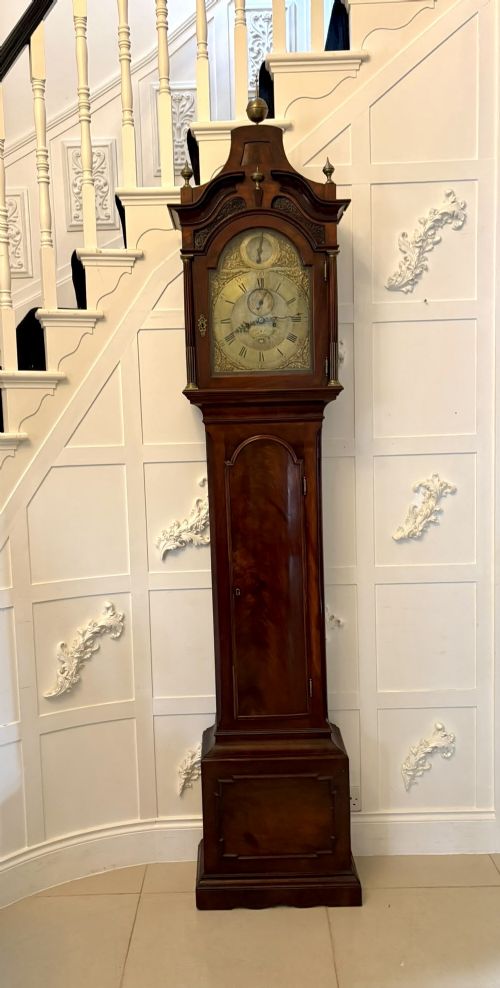
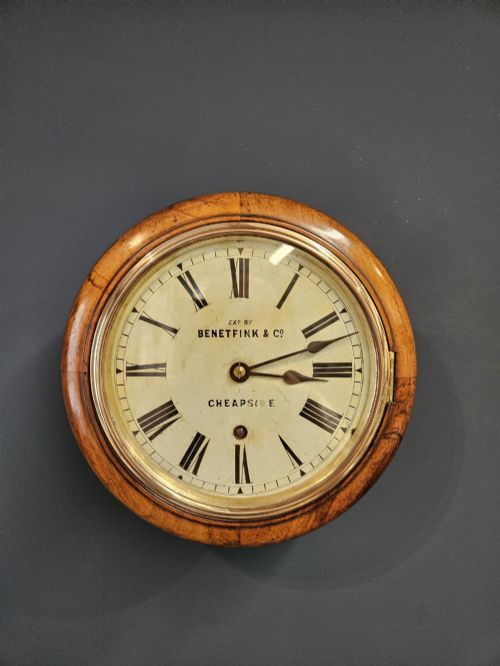
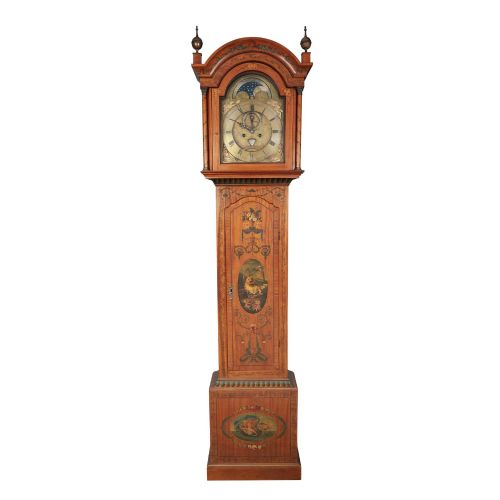
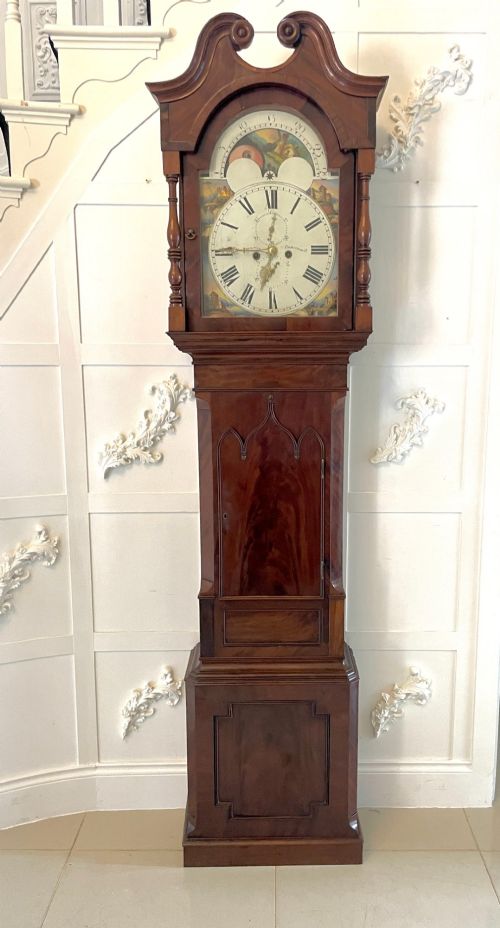
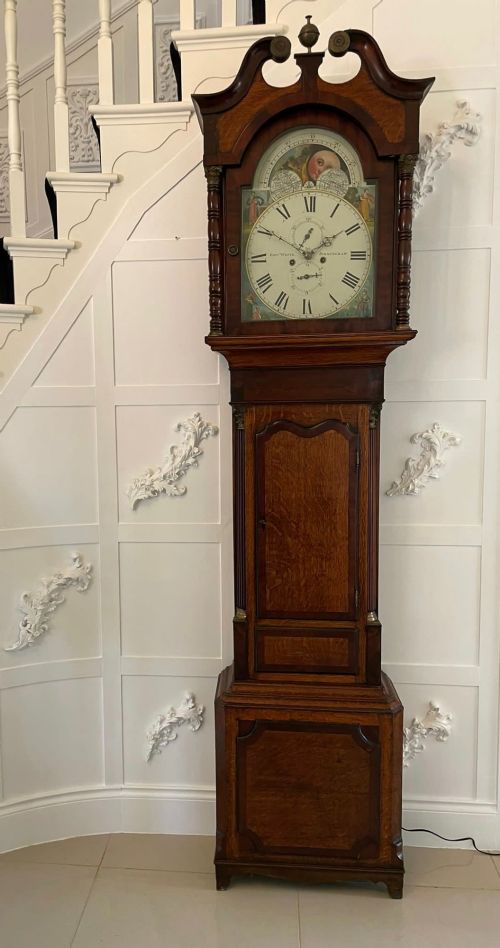
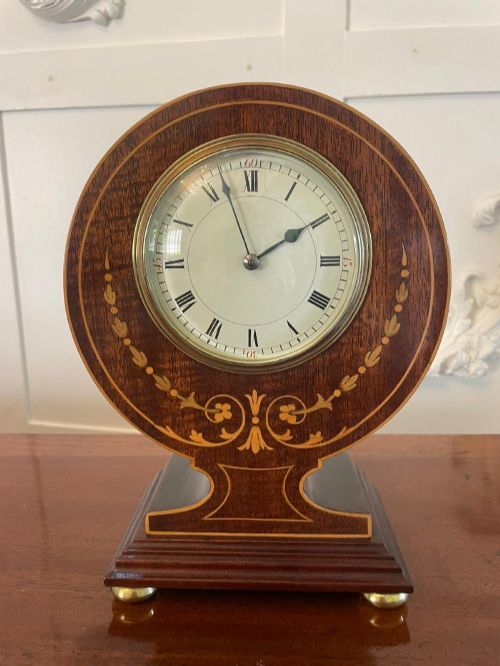
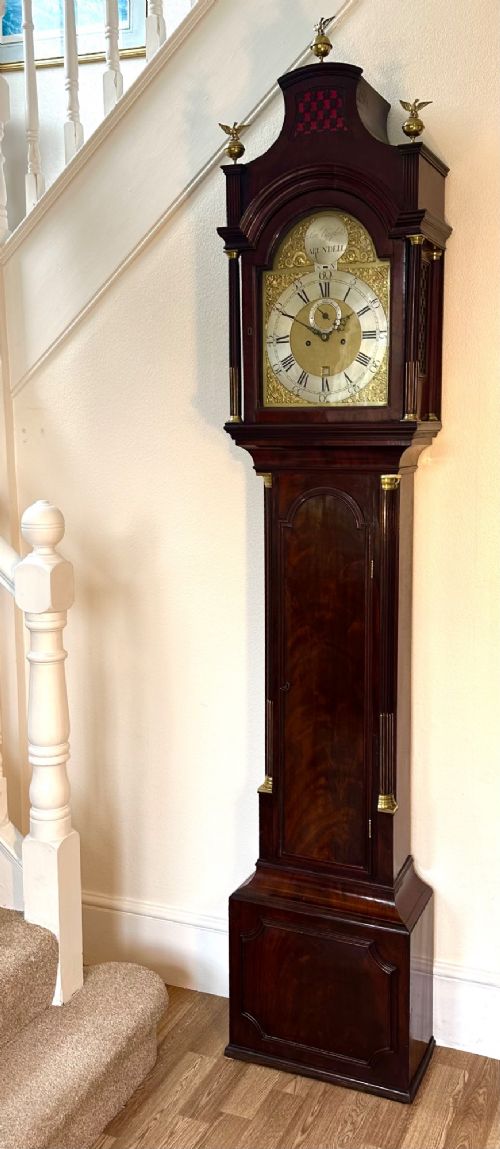
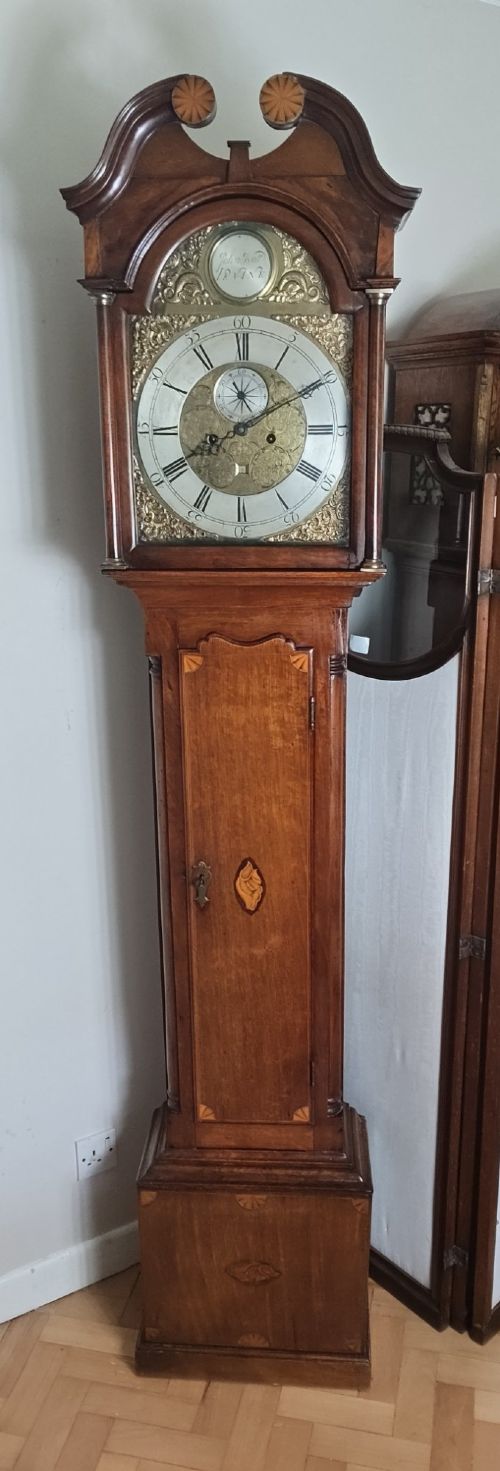
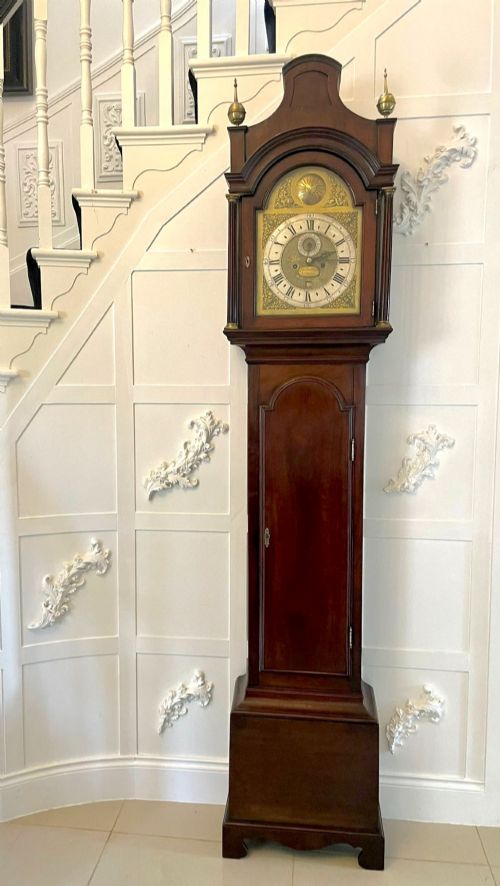
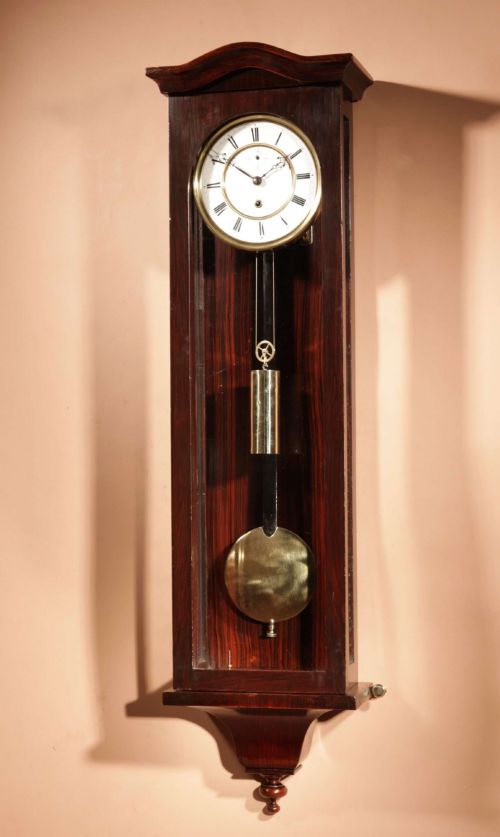
The versions most common on this page span the Georgian, Victorian, and Edwardian periods, constructed in regional British workshops or London centres. They range from tall mahogany and oak longcase clocks featuring painted or brass dials to compact wall-mounted regulators and miniature table variants.
Makers often signed the brass or enamel dials, leaving records of regional clockmakers from London to Scottish burghs. These tall structures served as the primary timekeeper for the home, housing intricate gear trains that indicated hours, minutes, and sometimes moon phases.
How they were made
Cabinetmakers built the tall housings using native timbers such as oak, walnut, and mahogany, frequently applying veneers, inlay, or ebonisation to decorate the surface. Brass and enamel formed the dial faces, where makers inscribed numerals and maker signatures.
Movements relied on steel and brass components, driven by hanging weights or springs enclosed within glass-fronted or panelled timber doors. Dial bezels often incorporated brass surrounds and protective glass covers to shield the hands and face.
Some provincial clock faces display painted moons that gaze out from the dial, keeping track of the night sky alongside the hours.
What varies in quality
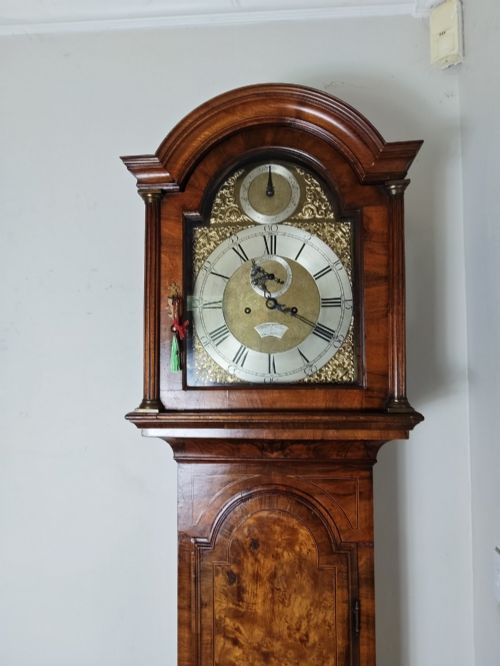
Quality depends upon the harmony between the cabinetwork and the movement, where proportion and timber selection elevate a piece. Cabinet cases featuring figured mahogany, burr walnut, or precise string inlay show greater workshop skill than plain utilitarian builds.
The dial execution distinguishes standard production from finer work, particularly where hand-engraved brass or detailed painted moon phases appear. Originality of the movement and the integration of the dial to the case mark the distinction between high-grade commissions and standard regional output.
John Taylor London·Edward White Birmingham·Charles Shuckburgh London·Hendrie Ogg Dunfermline·Gordon of Aberdeen·Gillett and Johnston Croydon·Lee of Great Marlow·D Straiton Montrose·Elliott·John Smith Macclesfield·Tait Peebles·James Field Hempstead·Richard Corless Stockport·Henri Jacot·James McCabe
The Case Clock Glossary
- Longcase clock
- A tall floor-standing timekeeper also known as a grandfather clock. It houses a weight-driven movement within a protective wooden trunk and hood.
- Dial clock
- A wall-mounted timepiece featuring a circular face, often housed in a circular wooden rim with a bottom access door.
- Moonphase
- A mechanism on the clock dial that tracks the lunar cycle through a rotating painted disc. It displays the phases of the moon alongside the standard time.
- Fusee
- A conical pulley used in clock movements to maintain an even pull on the gear train as the driving spring unwinds. This device improves timekeeping accuracy across the power reserve.
- Regulator
- A precision pendulum clock designed for exact timekeeping and used as a standard to set other clocks. These movements often feature separate dials for hours, minutes, and seconds.
Case Clock: Frequently Asked Questions
What is a case clock?
A case clock is a tall floor-standing or wall-mounted timekeeper enclosed in a protective timber housing. It contains a weight-driven or spring-driven mechanical movement that indicates the time on a brass or painted dial.
These pieces served as the central timepiece in domestic spaces, combining architectural cabinetry with horological engineering. The tall trunk houses the hanging weights and pendulum while the upper hood protects the dial and movement.
How do I wind a case clock?
Winding involves using a small crank key to pull the internal weights back up or tension the springs via the dial face. Care must be taken not to over-wind the movement, stopping when resistance meets the key.
Different movements require winding at varying intervals, commonly lasting eight days between adjustments. Maintaining a regular winding schedule keeps the gear train under consistent tension for accurate timekeeping.
Where were case clocks made?
Case clocks were produced across Britain by local provincial makers as well as specialist metropolitan workshops in London. Regional centres developed distinct cabinet styles and dial painting traditions depending on local tastes.
Makers often signed the dial faces, recording towns and cities from Scottish burghs to Home Counties workshops. This local production results in regional variations in timber choice, hood design, and dial decoration.
How do I date a case clock?
Dating relies on examining the construction methods of the wooden case, the style of the dial, and any signature inscribed by the maker. Georgian, Victorian, and Edwardian periods each brought distinct architectural proportions and decorative details.
Dial styles shifted from engraved brass plates in the eighteenth century to painted iron faces and later porcelain or enamel dials. Cross-referencing the maker's recorded working dates with stylistic clues provides an accurate era for the piece.
How do I live with a case clock?
Living with a case clock requires placing the piece on a stable, level floor away from direct sunlight, central heating, and damp environments. Wood and mechanical movements respond to fluctuations in temperature and humidity.
Longcase clocks must be fixed securely to a wall through the backboard to prevent tipping and ensure the pendulum swings evenly. Regular professional servicing keeps the mechanical gears clean and lubricated for reliable operation.